When approaching a custom home build or a major renovation, one of the most exciting yet daunting decisions is selecting your interior design direction. In 2026, the design world is experiencing a fascinating and vibrant polarization. Homeowners are increasingly gravitating toward two distinct, highly expressive extremes: the curated abundance of maximalism and the intentional restraint of minimalism. Both approaches offer unique benefits, and choosing between maximalist vs minimalist interior design depends entirely on your lifestyle, psychological needs, and aesthetic preferences.
If you are planning to build with experts like J. Siemering Homes, establishing your preferred interior style early in the architectural process ensures that everything from room layouts to natural lighting is optimized for your vision. The architecture of a home forms the foundation upon which your style rests. Let us dive deep into what defines these two enduring styles in 2026 and how you can determine which one belongs in your new home.
The Evolution of Minimalism in 2026
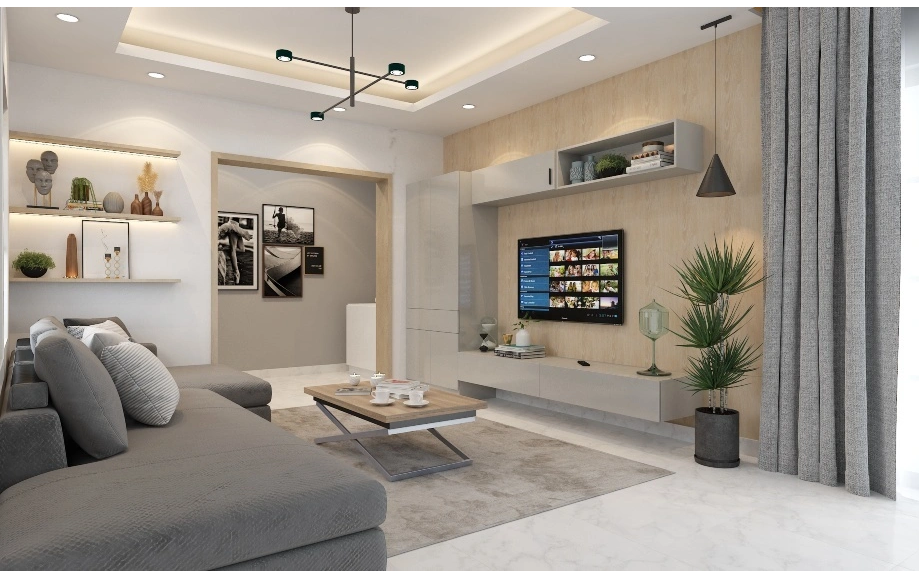
Minimalism is no longer defined by the sterile, cold environments or stark white boxes of the early 2010s. The 2026 iteration of minimalist interior design, often referred to as “warm minimalism,” focuses extensively on texture, warmth, and organic materials. The core philosophy remains the same: less is more, and every item placed in the home must serve a distinct functional purpose or bring profound joy.
This style champions clean architectural lines, uncluttered surfaces, and a cohesive, neutral color palette that emphasizes natural light and spatial beauty. By stripping away excess, warm minimalism creates a tranquil sanctuary that acts as a retreat from our increasingly chaotic, hyper-connected world. According to leading interior design trends, modern homeowners are investing heavily in fewer, but much higher-quality, bespoke furniture pieces. Natural wood tones, tactile lime wash paints, and rich fabrics like linen, bouclé, and honed stone are the undisputed staples in a modern minimalist space.
The practical benefits of a minimalist home are substantial. It includes much easier daily maintenance, a massive reduction in visual clutter—which psychological studies continually prove lowers stress and anxiety levels—and a timeless, understated elegance that transcends fleeting fads. It is the absolute ideal style for those who find peace in strict order and unencumbered empty space.
The Bold Appeal of Maximalism
Sitting proudly on the exact opposite end of the stylistic spectrum is maximalism, a design ethos that celebrates abundance, personality, and vivid storytelling. In 2026, maximalism is emphatically not about hoarding or chaotic clutter; it has evolved into “curated maximalism.” This refined approach involves intentionally layering bold colors, intricate patterns, luxurious textures, and meaningful objects to create rich, immersive environments that accurately reflect the homeowner’s unique life journey and passions.
A masterfully designed maximalist home might feature dramatic jewel-toned walls, contrasting floral and geometric upholstery, floor-to-ceiling gallery walls filled with eclectic art, and heavily patterned vintage rugs layered over dark hardwood floors. It is a fearless, highly individualized approach to design that rejects strict traditional rules in favor of joy and self-expression. In a maximalist space, your personal collections, travel souvenirs, and cherished family heirlooms are placed front and center, acting as conversation starters rather than being hidden away in dusty storage boxes.
This design philosophy thrives on generating immense visual interest and a sense of encompassing warmth. Whether you are designing an elaborate media room to invite friends over and watch the latest nba matchups or crafting a dramatic, moody dining room specifically for sophisticated, lingering dinner parties, maximalism allows you to infuse absolutely every inch of your space with vibrant energy and unapologetic character.
Sustainable Choices Across Both Aesthetics
One of the most unifying trends of 2026 is that regardless of whether you lean toward the abundance of maximalism or the restraint of minimalism, sustainability is a major driving force in interior design decisions. Both styles are actively adapting to prioritize eco-friendly practices, though they do so in completely different ways.
Minimalists naturally champion sustainability through their inherent “buy less, but buy better” ethos. They intentionally invest in high-quality, highly durable furniture made from ethically sourced, natural materials that are designed to last a lifetime, severely reducing the cycle of fast-furniture waste. Maximalists, on the other hand, are completely redefining eco-friendly interior design through the passionate embrace of upcycling, thrifting, and celebrating antique pieces. By seamlessly incorporating vintage rugs, reclaimed wood architectural elements, and pre-loved art into their layered spaces, maximalist interiors are naturally rich with history and inherently sustainable.
Transitional and Blended Approaches
What if you find yourself deeply drawn to both the serene calm of minimalism and the vibrant character of maximalism? The true beauty of 2026 modern home aesthetics is that you do not have to strictly adhere to just one label. A large percentage of homeowners are embracing a highly customized blended approach, often referred to in design circles as “minimal maximalism” or “intentional layering.”
This hybrid style typically involves keeping the large-scale foundational elements of a room—such as the walls, large sofa pieces, and window treatments—clean, crisp, and neutral (acting as the minimalist base). Then, immense personality is injected through carefully curated, high-impact decorative accents—like a bold, oversized piece of abstract art, vibrant, heavily textured throw pillows, or a striking, sculptural lighting fixture (acting as the maximalist touches). This strategic approach allows for a space that feels deeply personal and richly layered without ever crossing the line into feeling overwhelming.
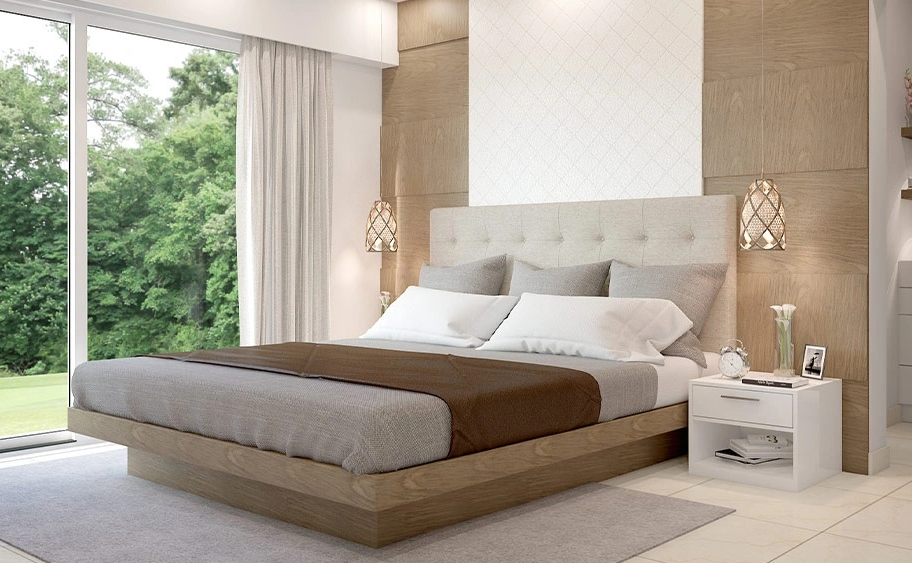
Another incredibly popular and practical strategy is zoning your home by mood. You might strategically choose a soothing, minimalist design for spaces entirely dedicated to rest and relaxation, such as the primary bedroom and spa-like en-suite bathroom. Conversely, you can confidently let your maximalist flag fly in communal, high-energy areas designed for hosting, like the guest powder room, the formal dining room, or a dedicated home library.
Choosing the Right Fit for Your Custom Home
Deciding between maximalist and minimalist interior design ultimately comes down to intimately understanding how you want your home to make you feel on a daily basis, and how you genuinely interact with your environment.
As you plan your spaces, ask yourself these critical lifestyle questions:
- How do you naturally recharge? If excessive visual input feels exhausting to your nervous system and you require a quiet “blank slate” to properly unwind at the end of the day, warm minimalism is highly likely to be your best fit. If you draw energy, creative inspiration, and deep comfort from being surrounded by your favorite, memory-filled objects, lean confidently into maximalism.
- What is your practical maintenance tolerance? Maximalist spaces, with their beautifully layered decor and numerous objects, inevitably require more dusting, tidying, and careful organization to keep them looking intentional rather than messy. Minimalist spaces are inherently much easier and faster to clean and maintain on a daily basis.
- How often do you like to change or update your decor? Minimalism often relies on a very strict foundational palette and specific furniture pieces that can be expensive to completely overhaul. Maximalism is highly adaptable by nature; you can continually add, swap, layer, or rearrange pieces as your personal tastes evolve without ruining the core aesthetic.
Final Thoughts
As we navigate the exciting interior design landscape of 2026, the overarching, dominant theme is authenticity. The most successful and beautiful homes are those that accurately and genuinely reflect the people living within them, rather than simply mimicking a sterile showroom display. Whether you prefer the serene, intentional restraint of minimalism or the rich, textured storytelling of maximalism, the absolute key to success is thoughtful, deliberate execution.
A beautifully designed home requires a strong, well-planned architectural foundation that naturally complements your chosen interior style. By partnering with experienced custom builders like J. Siemering Homes, you can confidently ensure that your structural choices—from the scale of your windows to the flow of your open floor plan—perfectly harmonize with your interior design preferences. The result is a stunning, highly personalized sanctuary that you will love living in for decades to come.