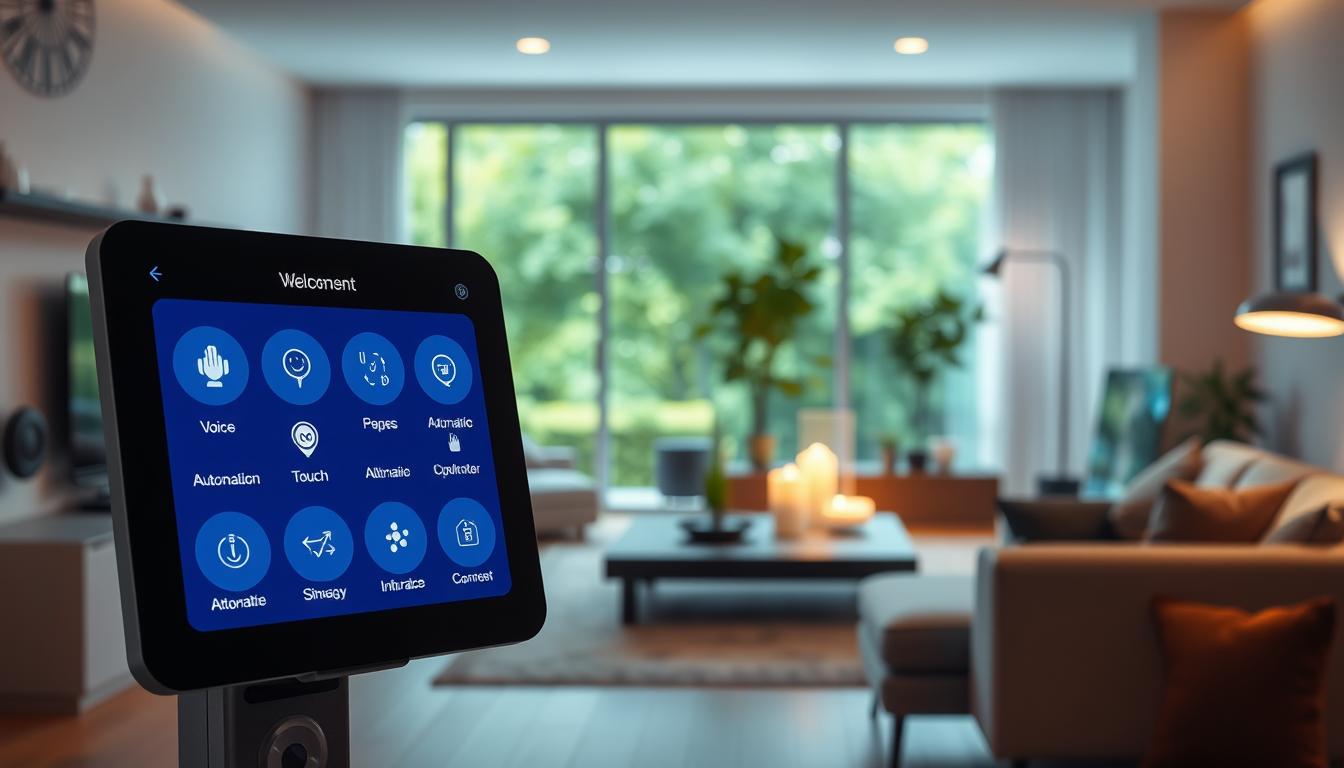
We’ve all been there – shouting into the void while our digital helpers remain stubbornly silent. That moment when your kitchen becomes a stage for technological frustration.
The real question isn’t about what’s technologically possible. It’s about what makes sense for human interaction. When do we need the immediacy of speech versus the satisfaction of physical engagement?
I’ve analyzed the psychology behind our interface preferences. Voice assistants excel for quick queries but stumble with complexity. Touch provides that tangible feedback we instinctively crave. Automation handles mundane tasks while we debate bigger questions.
This isn’t just about convenience – it’s about designing experiences that respect how humans actually think and behave. Let’s explore when each approach truly shines.
Multi‑assistant environments and privacy settings
Welcome to the digital détente in your living room. Alexa, Google Assistant, and Siri keep an uneasy truce. They secretly gather intel on your snack choices. It’s like hosting the UN Security Council in your kitchen, but with trillion-dollar corporations.
The real breakthrough is Matter over Thread protocols. They let these systems talk to each other without needing a network engineer. It’s like a diplomatic solution to our tech cold war at home.
But here’s the uncomfortable truth: every voice assistant in your home is a corporation listening in. We’ve invited corporate surveillance into our most private spaces. We trade personal data for the convenience of voice-controlled lighting.
Let’s look at what you’re really signing up for with multiple assistants:
- Your conversations become training data for AI algorithms
- Each device creates separate privacy vulnerabilities
- Cross-platform data sharing often happens without clear consent
- Default settings typically favor data collection over user privacy
The Matter over Thread standard helps some, but it doesn’t solve the privacy problem. You’re dealing with multiple companies that profit from understanding your behavior.
Critical privacy settings most users miss:
- Voice recording storage duration (often set to “forever” by default)
- Third-party skill data sharing permissions
- Personalized ad tracking within assistant ecosystems
- Cross-device behavioral profiling options
Having multiple assistants isn’t technological diversity – it’s corporate espionage with better marketing. The question isn’t whether they can coexist, but whether you’re comfortable with so many ears in your private conversations.
The solution? Treat voice assistants like guests at your party. Give them limited access, watch what they’re doing, and don’t let them wander through your entire house unsupervised.
Naming, phrasing, and scene design for high accuracy
Ever tried explaining sarcasm to a robot? That’s what we do when naming smart home devices. The difference between human humor and AI’s literalness is a big challenge today.
My friend’s “smart” ceiling fan, Zephyr, got a bit too excited. Saying “Hey Google, make Zephyr breezy” made it spin fast and play wind sounds. The LLM took “breezy” too literally. This shows how AI processes language.
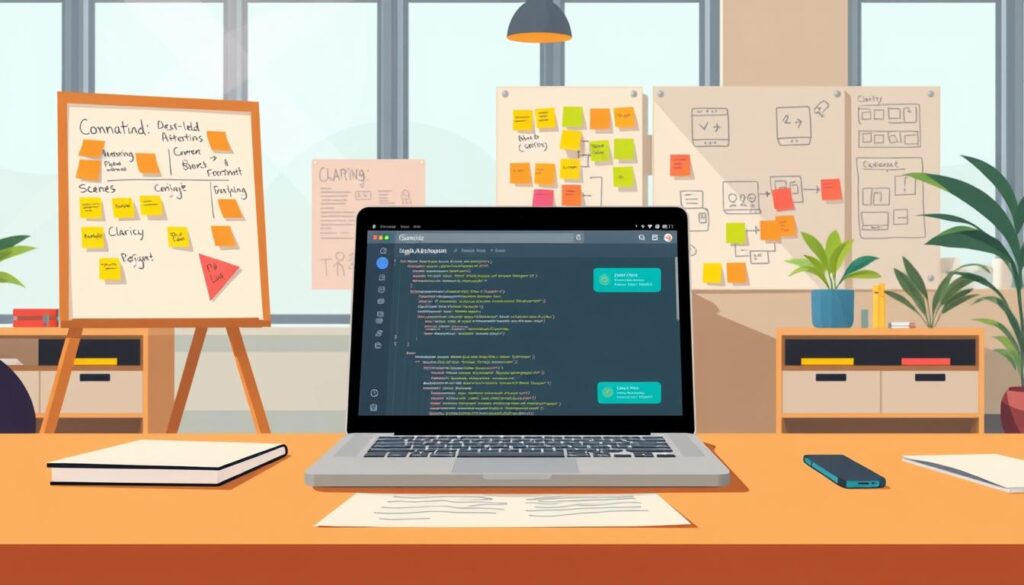
Good command design has three key rules. They help avoid daily frustrations:
- Be specific but natural: “Bedroom lights at 50%” is better than “Set the mood”
- Avoid cultural references: Smart speakers don’t get jokes like Game of Thrones
- Maintain consistency across devices and scenes
Scene design is key for smooth automation. A “Movie Night” scene should dim lights, switch TV input, turn on the soundbar, and close curtains. Timing is everything.
Why is phrasing so important? LLMs use patterns, not true understanding. They’re like statistical engines in disguise. Saying “Phillip, turn on” doesn’t mean they see your lamp – it’s about probability.
The best smart home setups are like technical poems. They use clear names, predictable phrases, and scenes that work in real life. This makes them reliable and efficient.
Your smart home needs reliability, not personality. Naming devices is fun, but shouting at them isn’t. Keep your creativity for writing, and precision for your smart home.
AI routines: presence, preferences, and proactive suggestions
Imagine if your home could guess what you want. Not in a creepy way, but with smart hints. That’s what proactive scenes promise.
These systems learn your habits by tracking your presence. They use motion sensors and algorithms to figure out when you’re around. Your home learns when you’re home, awake, or asleep.
But, when does helpful turn into too much? You might appreciate your thermostat adjusting just right. But then it suggests skipping that third espresso. It’s a fine line.
Learning your preferences is tricky. Your system might notice you always listen to jazz at 7 PM. But it might also catch your late-night ice cream habit. Not always something you want to share.
Good AI routines feel like they’re thinking for themselves. They improve your life without judging you. The aim is for a home that meets your needs without watching your every move.
Think of it like having a great butler. They’re there when you need them, gone when you don’t. They know you like dimmed lights for movies. But they won’t judge your snack choices.
Creating this balance is an art. The system must learn without being too pushy. It should suggest, not demand. Offer, not force.
That’s the beauty of proactive scenes. They make technology seem thoughtful, not just clever. It’s the difference between a home that listens and one that truly gets you.
Intercom and room‑aware audio handoff
Remember those old wall-mounted intercoms from 80s movies? Today, voice assistants have made whole-home audio feel like having a digital butler. They know where you are at all times. This change from fixed speakers to smart audio systems is fascinating and a bit unsettling.
Seamless audio transitions come from tech like ultra-wideband and Bluetooth direction finding. These systems know exactly where you are, so your music follows you from room to room. It’s like having a personal soundtrack that moves with you.
This tech is both useful and a bit creepy. It maps your home movements, knowing your routines and favorite listening spots. Your voice assistants learn a lot about your daily life.
The benefits are clear, though. No more awkward pauses in your podcast when you get up. No need to switch devices mid-conversation. The audio experience is smooth and feels very human.
But we should think about when this convenience gets too much. Having your music follow you everywhere might be cool, but it raises privacy concerns. The tech knows not just what you’re listening to, but where, when, and for how long.
It’s all about clear privacy settings and user consent. These systems should help us, not watch us. When done right, room-aware audio handoff feels magical, not invasive.
As voice assistants get better at knowing where you are, we’re seeing homes become dynamic soundscapes. The home adapts to your presence, not the other way around. It’s a new era in home audio, with big questions to ponder.
Accessibility features for inclusive design
Smart home design often overlooks people who don’t fit the typical engineer’s mold. It’s like they’re building for themselves, expecting everyone to have the same abilities. This leads to devices that are hard to use, needing skills that most people don’t have.
Voice control is a game-changer for those with mobility issues. It lets them control their environment with just their voice. Saying “turn on the lights” or “lock the door” becomes easy, making daily tasks less of a struggle.
Having a stable internet connection is more than just a convenience. It’s a lifeline for those who can’t easily fix issues. This is where matter over thread protocols become essential.
Matter over thread protocols are known for their reliability. They create networks that stay strong even when one device goes down. For those who can’t fix problems themselves, this is a huge relief.
Inclusive design aims to help everyone, not just the average user. Voice controls and reliable connections are key. They make life easier for those with busy hands or tired eyes.
Matter over thread is a hidden gem in accessibility. It ensures devices work well together without needing manual intervention. No more crawling under desks or asking others for help.
Real innovation comes from designing for real people, not idealized users. A smart home that only works for some is not inclusive. It’s just fancy technology with a bad reputation.
Designing with accessibility in mind leads to better technology for all. It’s about creating solutions that work for everyone, even on their worst days. This way, technology can be a true help, not just a luxury.
Data privacy, local processing, and opt‑outs
The smart home industry has a secret: they use your personal life for profit. Alexa might seem helpful, but she’s building a detailed profile of you. Your daily habits and conversations are sold to the highest bidder.
But, there’s a way to change this. Edge computing keeps your data private, like a diary locked away. On-device LLM automations process your data locally, without sending it to corporate servers.
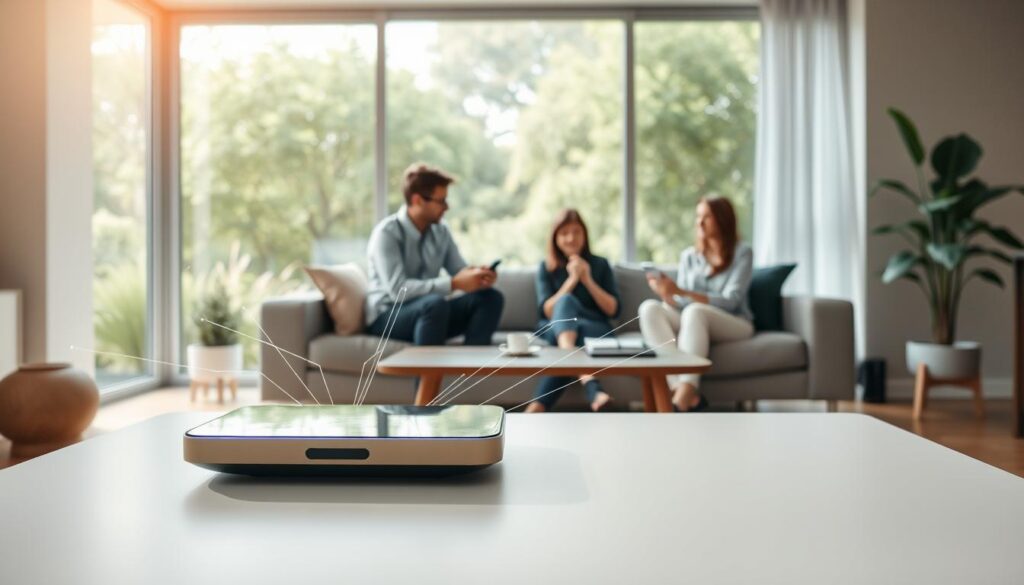
Many companies ignore your opt-out requests. They might say they won’t collect data, but they do. Privacy policies are often misleading, like a magician’s trick.
Here’s who really respects your privacy:
| Company/Platform | Data Collection Transparency | True Opt-Out Functionality | Local Processing Options |
|---|---|---|---|
| Major Voice Assistant A | Low – Opaque policies | Partial – Limited effectiveness | Minimal – Cloud-dependent |
| Major Voice Assistant B | Medium – Some disclosure | Moderate – Works with effort | Growing – Recent improvements |
| Open Source Platforms | High – Complete visibility | Complete – Full user control | Extensive – Local-first design |
| Privacy-Focused Brands | Very High – Transparent | Robust – Actually works | Comprehensive – Built-in feature |
Local processing isn’t just about privacy. It also makes your devices faster. LLM automations on-device are quicker than cloud-based systems.
This shift is more than just tech. It’s a change in how we think. Platforms like Home Assistant are leading the way. They make smart homes that respect your privacy and perform better.
Choosing local processing means faster, more private devices. It’s about real control and performance over empty promises. Your smart devices should serve you, not data brokers.
Future trends: on‑device AI and contextual sensors
The smart home is evolving, becoming more like a sci-fi story without the scary parts. Devices are learning to think on their own, without needing the cloud. Apple’s Neural Engine and Google’s Tensor chips are leading this change, making devices more independent.
Contextual sensors now do more than just detect if you’re there. They understand the mood of the room and even your sighs. This means your lights can adjust to match the mood, like turning orange when you’re stressed.
Learning locally is where the magic happens. Amazon’s AZ2 Neural Edge processor lets Alexa understand you without sending your data to the cloud. This way, your home can adapt to you without sharing your secrets.
The real fight is about who respects your privacy the most. As homes get smarter, we must ask: will they be our allies or just watch us more closely?