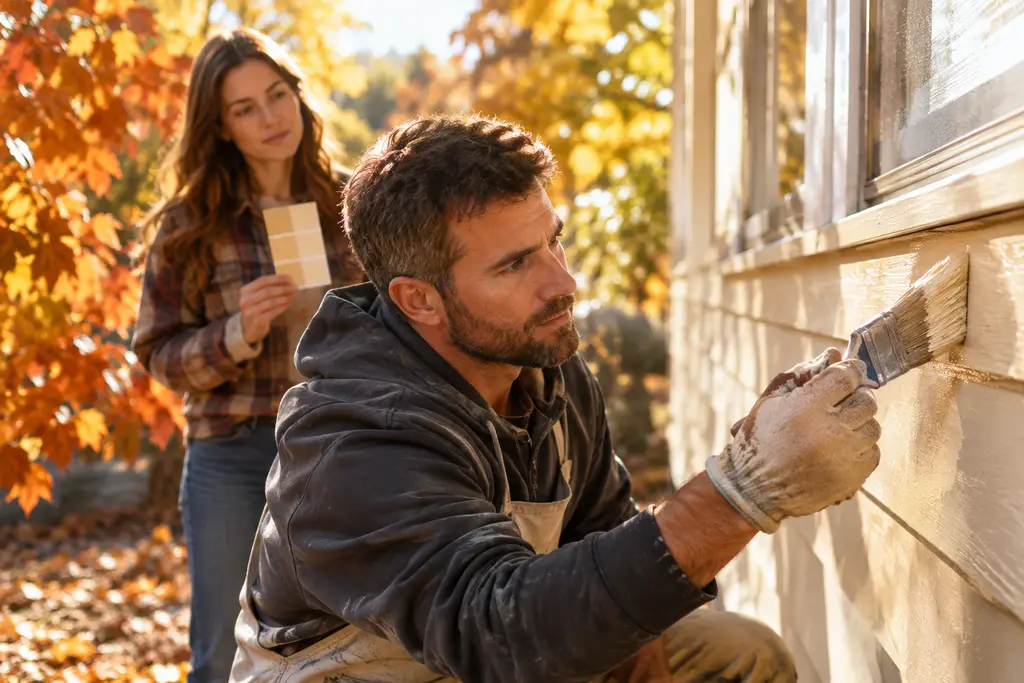
warm color palettes are shaping many Fall 2026 exterior updates, but the strongest projects are not built on trend chasing alone. A safer, more durable plan starts with the house itself: roof color, masonry, siding condition, sun exposure, landscape tones, and any neighborhood or HOA limits. Color can improve curb appeal, yet it cannot correct failing trim, moisture-damaged siding, unsafe steps, or poor lighting. Those basics deserve attention before any paint sample reaches the wall.
Why Warm Color Palettes Are Gaining Ground
The move toward softer beige, brown, khaki, sage, taupe, cream, and greige exteriors is measurable. Houzz reported in its 2026 U.S. outdoor trends coverage that beige became the most popular exterior wall color, rising from 10% in 2024 to 24% in 2026, while white was listed at 14% and gray at 12% Houzz exterior trends. That does not mean every home should turn beige. It does suggest that many homeowners are seeking less stark exterior schemes than the cool gray-and-white combinations that dominated many recent renovations.
What The 2026 Data Supports
The paint-sampling data points in the same direction. The Samplize American Paint Color Report 2026, based on data collected through September 18, 2026, found that 69.4% of paint samples being tested were warm tones, up 5.1 percentage points from two years earlier. It also reported that brown shades appeared in 13.4% of paint-sample shortlists, compared with 9.2% two years earlier, while gray appeared in 30.9%, down from 35.9% Samplize color report.
That evidence supports a cautious read: homeowners are testing warmer options more often, but gray has not disappeared. In practice, warm color palettes may include a greige body, a cream trim, a stained-wood door, or a green-black shutter. The result can feel current without creating a house that looks disconnected from its roof, stonework, or neighboring homes.
Where The Trend Can Be Misread
A common mistake is treating warmth as a single color family. Beige can look yellow beside certain brick. Taupe can turn muddy under deep shade. Brown can feel heavy on a small facade if trim contrast is weak. Sage can sit comfortably with natural stone, yet clash with red-orange masonry. Exterior color is more exposed than interior paint, so undertones become more obvious across daylight, shadow, rain, and evening lighting.
For homeowners considering warm color palettes, the practical question is not, “Which color is popular?” It is, “Which warmer color works with the fixed materials I am not replacing?” That one shift prevents many expensive repainting regrets.
Choosing Exterior Colors Without Creating Maintenance Problems
Exterior color planning should include durability, surface condition, and access. Darker browns, deep greens, and near-black accents can create handsome contrast, but darker finishes may show dust, fading, or surface flaws more readily depending on product, exposure, and substrate. Light creams and beiges can soften a facade, but they may also reveal mildew, splashback, or trim damage sooner in damp or shaded areas.
Start With Fixed Materials
Begin with roof shingles, brick, stone, concrete, metal railings, gutters, and existing windows. These elements usually cost more to replace than paint, so the paint plan should respond to them. A cool gray roof can still work with a warmer siding color if the trim bridges the two. A warm brown roof may support cream, beige, or taupe siding more easily than bright white. Red brick often needs special care because its undertone can fight with yellow-beige paint.
If your home has mixed materials, review the related planning ideas in warm neutrals in practical exterior design, especially before committing to a full siding repaint. The goal is not to match every surface. It is to make the fixed elements feel intentional rather than stranded.
Test Color In Real Exposure
Small chips are useful for narrowing choices, but they are not enough for exterior work. Test larger samples on different sides of the house, then view them in morning light, mid-day sun, cloud cover, and evening shade. If possible, place samples near trim, masonry, and the front door. A color that looks calm on the north side may appear much brighter on a sun-facing wall.
Testing also helps with safety and project control. If a sample reveals failing paint, soft trim, or caulk gaps, treat that as a repair signal rather than a color inconvenience. Exterior painting often requires ladders, surface preparation, and work near windows, roof edges, or power lines. Homeowners should avoid risky access work and hire qualified professionals where height, electrical proximity, lead paint risk, rot, or structural concerns are present.
Practical Pairings For Siding, Trim, And Accents
A balanced exterior usually needs a hierarchy: body color, trim color, accent color, and sometimes a separate material tone such as wood or metal. Warm color palettes work best when each part has a job. The body color sets the largest visual field. Trim clarifies edges and openings. Accent colors draw attention to the front door, shutters, porch ceiling, or carefully chosen architectural details.
Safer Contrast Decisions
High contrast can sharpen a facade, but it should not be forced. Cream trim against beige siding creates a quieter look than white trim against dark brown siding. A muted green door can add interest without turning the exterior into a novelty scheme. Dark bronze, charcoal-brown, or soft black hardware can work with warmer siding, but the finish should relate to lighting, railings, and roof tones.
- For brick homes: test beige and taupe carefully against the dominant brick undertone before painting trim or siding.
- For stone accents: pull a soft neutral from the stone mix rather than choosing an unrelated trendy color.
- For small facades: keep the body color simpler and use the door or planters for stronger accent color.
- For shaded lots: avoid colors that become flat or muddy without direct light; test on the darkest wall first.
Accent color is also a lower-risk place to experiment. A door repaint is easier to revise than a full siding project, though even small projects need proper prep, safe ventilation, and product selection suited to the door material.
Where Professionals Should Be Involved
A painter, architect, color consultant, or exterior designer can be useful when the home has several materials, visible repairs, historic restrictions, or a major siding replacement. A qualified contractor can also identify whether peeling paint is a coating issue, a moisture problem, or a sign of damaged substrate. Repainting over unresolved moisture may produce short-lived results.
If you’re looking to see how exterior palettes adapt differently depending on the property’s use, exploring weekender villa inspiration can be an insightful reference. Nevertheless, remember that a vacation setting often involves different lighting, vegetation, and upkeep differences than what you might encounter at your year-round residence.
Planning A Fall 2026 Exterior Refresh

Fall can be a reasonable time to plan or complete exterior color work in many climates, but weather windows matter. Paint and stain products have manufacturer requirements for surface temperature, air temperature, moisture, and cure time. Those requirements vary by product, so the label and technical data sheet should guide timing more than a seasonal mood board.
Budget And Sequence Before Paint
Before pricing color changes, walk the exterior and separate cosmetic choices from repair needs. Loose railings, deteriorated steps, failing gutters, rotted trim, cracked caulk, and drainage issues should not be hidden by fresh paint. Addressing them first may reduce the immediate color budget, but it protects the project from premature failure.
Sequence also affects outcome. Power washing, scraping, sanding, repairs, priming, masking, and painting each add labor. Homeowners should be careful with pressure washers, since improper use can damage siding, force water behind cladding, or etch softer materials. If the job requires multi-story ladder work or work near service lines, it belongs with insured professionals rather than a weekend DIY attempt.
Renter And HOA Constraints
Renters should not repaint exterior surfaces without written permission. Homeowners in HOA communities should check approved color ranges, submission rules, and review timelines before buying materials. Historic districts may have separate restrictions. These checks are less exciting than sample boards, but they can prevent wasted purchases and disputes.
If a full repaint is not practical, smaller updates can still align with the 2026 warm exterior shift. Planters, porch furnishings, a permitted door color, warmer exterior bulbs within fixture limits, or new house numbers may add warmth without altering the building envelope. Keep walking paths clear, avoid glare from outdoor lighting, and make sure decorative pieces do not create trip hazards.
Warm Color Palettes For Fall 2026 Exteriors
The strongest reading of the Fall 2026 exterior trend is not that every home needs beige siding or brown trim. It is that homeowners are moving toward softer, earthier color relationships and away from the coldest high-contrast formulas. warm color palettes can support that shift when they are tested against real materials, reviewed in changing light, and planned around maintenance rather than only appearance.
A Cautious Design Read
For most homes, the safest path is measured: repair first, sample broadly, limit the palette, and reserve stronger color for accents unless the architecture can support a bolder body color. Warmth should make a home feel settled, not newly painted at the expense of durability or safety. With that discipline, Fall 2026 exterior color planning can feel current while still respecting the building, the budget, and the work required to keep the exterior in good condition.