Durable Outdoor Materials are getting more attention because homeowners are asking outdoor spaces to do more while requiring less avoidable repair. The 2026 Houzz outdoor research, based on a survey fielded from April 25 to May 6, 2026, pointed to outdoor upgrades shaped by comfort, lower upkeep, resilient planting, hard surfaces, shade, and professional help. That does not mean every patio needs premium finishes or a full rebuild. It does mean material choices should be judged by exposure, maintenance, safety, and the way the space will actually be used.
For homeowners planning sustainable outdoor living, the practical definition of sustainability starts with reducing wasteful rework. A finish that looks appealing for one season but fails under sun, moisture, foot traffic, or cooking use is rarely the more responsible choice. The better approach is to match materials to climate, drainage, shade, cleaning habits, and the skill level required for installation.
Why Durable Outdoor Materials Lead 2026 Planning
The 2026 data showed a clear preference for outdoor spaces that are easier to live with. Among homeowners upgrading greenery, 73% chose low-maintenance plants, 55% chose native species, 49% chose drought-resistant plants, and 56% selected plants that attract pollinators, according to the 2026 U.S. Houzz Outdoor Trends Study. Those numbers are useful because they show that material planning is not limited to pavers, decking, walls, and trim. Plant choices, mulch, shade, and hard surfaces all affect how long an outdoor area remains usable without constant intervention.
Durable Outdoor Materials And Maintenance Reality
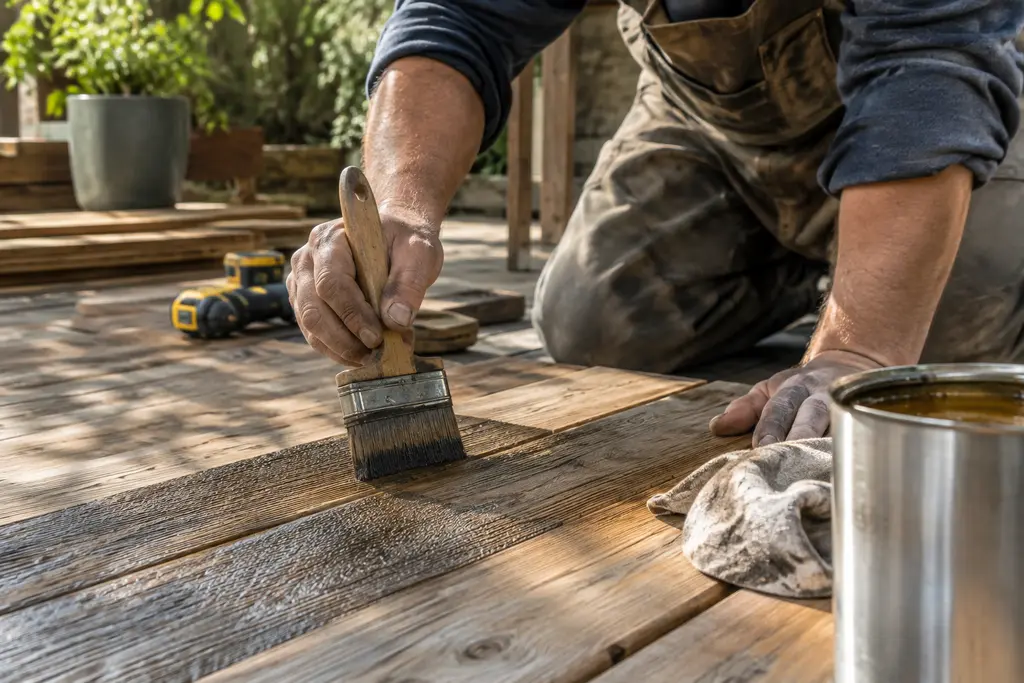
Durability should be read as a maintenance promise, not a marketing label. A patio surface still needs proper base preparation, drainage, edge restraint, and periodic cleaning. Wood elements still need realistic expectations about sun exposure and moisture. Manufactured materials still need installation within product instructions. If a product requires a perfect install to perform well, the contractor’s experience matters as much as the product sheet.
A cautious homeowner should ask three questions before approving any outdoor finish: How will this material handle water? How will it handle heat and sun? How will it be cleaned without creating slip or damage risks? The answers often reveal whether the project is a good DIY candidate or whether a qualified installer should be involved.
Where Sustainable Outdoor Living Becomes A Material Decision
Sustainable outdoor living often gets framed as a style, but the stronger measure is whether the space avoids premature replacement. That makes high-wear zones the first places to study: patio traffic lanes, grill areas, deck stairs, exterior thresholds, and seating areas under shade structures. These are the locations where water, grease, soil, chair legs, pets, and foot traffic tend to expose weak choices.
Hard Surfaces, Shade, And Everyday Use
Hard surfaces should be selected for the specific job, not only for color. A path used after rain needs a safer walking surface than a decorative border. A cooking zone needs finishes that can be cleaned without harsh treatment. A shaded sitting area may age differently from an exposed patio only a few feet away. The Houzz Pro analysis reported that shade structures became a major backyard theme in 2026 and that outdoor kitchen projects often included grills, storage, and infrastructure such as plumbing, electrical, or heating systems in many cases, as summarized in the Houzz Pro outdoor trends report.
Those systems raise the risk level. Homeowners should not treat gas, electrical, plumbing, or roof-supported shade work as casual weekend tasks. Licensed or qualified professionals should handle work governed by permits, utility connections, structural loads, combustion safety, and local code. A homeowner can still participate in planning, product research, furniture layout, and maintenance decisions without taking on unsafe work.
- For patios: review drainage, surface texture, edge details, and cleaning requirements before choosing a finish.
- For decks: compare maintenance expectations, fastener systems, sun exposure, and stair safety with the installer.
- For outdoor kitchens: separate appliance selection from utility work, ventilation, clearances, and weather protection.
- For planting areas: pair low-maintenance plants with irrigation, mulch, soil preparation, and access for care.
Material Choices Should Start With Failure Points
Design discussions often start with mood boards, but field performance starts at failure points. Water trapped against walls, poorly sloped paving, exposed fasteners, undersized shade supports, and unprotected utility runs can shorten the life of outdoor projects. Durable Outdoor Materials cannot overcome poor detailing. The safer process is to map the weak spots first, then choose finishes that suit those exposures.
What To Ask Before Selecting Finishes
Ask suppliers and contractors for installation instructions, warranty limits, cleaning guidance, and maintenance intervals. If the response is vague, slow down. A credible recommendation should explain where a product performs well and where it does not. For example, a finish that is easy to clean may still become hot in direct sun. A surface with more texture may improve traction but require more brushing to remove debris. A natural material may fit the design goal but require a maintenance routine the household will not keep.
For readers comparing how patios, decks, and poolside sitting areas function in vacation-style settings, browsing Weekender Villas proves that outdoor finishes are best judged by their performance over time, rather than initial visuals. That same logic applies at home. Materials near entries, grills, and lounge seating should be selected for repeated cleaning, movement, and weather exposure.
A related planning note on durable outdoor materials makes the same practical point: finish selection should be tied to weather, maintenance, and safe installation boundaries rather than appearance alone.
Cost, Professional Help, And Reasonable DIY Limits
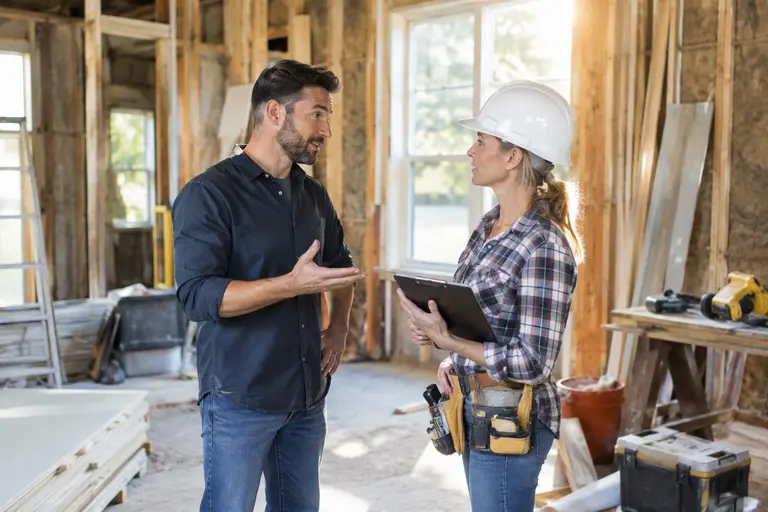
The 2026 Houzz study reported that 71% of homeowners hired at least one professional for outdoor renovations. That figure is not a command to hire out every task, but it is a useful signal. Outdoor projects often combine excavation, grading, masonry, carpentry, lighting, irrigation, drainage, and utility connections. A homeowner may be able to handle furniture selection, container planting, simple maintenance, or research. Higher-risk work should be planned with people who understand local requirements and product installation standards.
Cost control also benefits from restraint. Instead of replacing an entire outdoor area, a homeowner might focus on the highest-wear surface, improve shade, repair drainage, or replace plantings that require heavy watering. Durable Outdoor Materials should be part of a phased plan, especially when budgets are tight. The most expensive choice is not always the most durable, and the cheapest choice can become expensive if it fails early or creates a safety hazard.
Durable Outdoor Materials In Sustainable Outdoor Living
Durable Outdoor Materials support sustainable outdoor living when they reduce avoidable replacement, fit the site conditions, and can be maintained by the people who live with them. The 2026 Houzz findings show a homeowner preference for lower-maintenance plants, resilient outdoor upgrades, shade, and professional involvement on more complicated work. Those trends are practical, not flashy.
The strongest design decision is to choose materials after studying sun, water, traffic, cleaning, safety, and installation risk. A patio or deck that works for daily life, drains properly, supports safe movement, and avoids unnecessary repair is a better investment than a design that depends on constant upkeep. Durable Outdoor Materials are not a shortcut; they are part of a disciplined planning process.