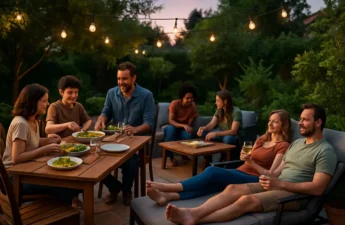
Outdoor Comfort Zones are becoming a practical design priority because homeowners are asking more of patios, decks, porches, and small yards. The strongest projects are not built around one impressive feature. They divide outdoor areas into places for dining, resting, light work, family time, gardening, and quiet retreat, while still allowing safe movement between each use.
The evidence points in that direction. The AIA Home Design Trends Survey reported that outdoor living spaces ranked second among special function rooms, selected by 24% of respondents, just behind home offices at 27% AIA survey data. That does not mean every home needs a major backyard buildout. It does suggest that outdoor areas are being treated as planned living space rather than leftover square footage.
Why Outdoor Comfort Zones Are Gaining Priority
Several forces are pushing this trend. Indoor space remains valuable, renovation costs are still a concern, and many households want more daily use from areas they already own or rent. A covered porch that supports morning coffee, evening reading, and small-group dining can be more useful than a large patio that only works for occasional entertaining.
Start Outdoor Comfort Zones With Use Patterns
Outdoor Comfort Zones should not start with a product list. They should start with an honest review of how the household already lives. A couple that eats outside twice a week needs a different plan than a family that wants play space, grilling, and shaded seating after work. A renter with a balcony may only need foldable furniture, a weather-safe rug, and planters that do not block egress.
The Qualified Remodeler 2025 Outdoor Planning Guide, published on April 15, 2025, reported continued demand for fully programmed outdoor spaces despite rising costs, including climate-adaptive features, smaller cozy spaces, wellness-focused areas, and spaces that serve more than one function outdoor planning research. That finding supports a cautious approach: plan for daily comfort first, then decide whether larger features are justified.
Value Context Without Overpromising
Outdoor living improvements may help a home feel more usable, but they should not be treated as a certain return on investment. Local climate, lot size, maintenance burden, neighborhood expectations, and workmanship all affect how a project is perceived. Homeowners comparing broader market context can review related resources such as those available on Jimmy Guthrie Real Estate, but design decisions should still begin with safety, function, and realistic upkeep.
Plan Zones Before Choosing Products
A multi-functional outdoor plan works best when zones are defined before materials are purchased. The common pattern is simple: a cooking or serving area, a dining area, and a living or retreat area. In a compact yard, those uses can overlap. A bench with storage can support seating and garden tools. A table can serve meals, laptop work, and crafts. A pergola or shade sail may support comfort, but its structure and anchoring need proper review.
Circulation is the part homeowners often underestimate. Chairs that look attractive in a showroom can block door swings, narrow paths, or force people too close to a grill or fire feature. Leave clear routes from the house to the seating area and avoid creating trip points with loose cords, uneven pavers, or crowded planters. For more detail on functional outdoor zoning, this related article on multifunctional outdoor space planning gives a useful companion framework.
Privacy also needs careful judgment. Tall screens, hedges, and fencing can make a retreat area more comfortable, but they can also affect sightlines, drainage, and airflow. Before adding permanent screens or fencing, check property rules, community standards, and local requirements. For renters, freestanding planters and movable screens are often safer choices than anything fastened to the building.
Materials, Shade, And Lighting Need Practical Limits
Material selection should match exposure and maintenance tolerance. Outdoor furniture, decking, pavers, fabrics, and fasteners age differently depending on sun, rain, freeze-thaw cycles, salt air, tree cover, and use. A low-maintenance claim should be read carefully; most exterior materials still need cleaning, inspection, or seasonal care. The right choice is usually the one the household can maintain consistently, not the one that looks best for the first month.
Comfort Depends On Shade And Heat Control
Shade planning is not only about comfort. It can affect whether a space is used in the afternoon, whether furniture overheats, and whether dining is practical during warmer months. Umbrellas, pergolas, awnings, trees, and covered porches all solve different problems. Permanent shade structures may require permits or professional installation, especially if they connect to the house or need footings.
Lighting should be layered, restrained, and safe. Low-level path lighting can reduce trip risk. Task lighting near a serving area can make cleanup easier. Softer lamps or sconces can support conversation without making the yard feel exposed. Any hardwired exterior lighting should be installed by a qualified electrician, and plug-in products should be rated for outdoor use. Extension cords are not a substitute for permanent wiring.
Safety Boundaries For DIY And Professional Work

Many outdoor upgrades are reasonable DIY projects: arranging furniture, placing planters, choosing cushions, adding battery lanterns, or testing a temporary layout with painter’s tape and movable chairs. Higher-risk work belongs in professional hands. Gas lines, permanent electrical circuits, structural shade covers, deck framing, drainage changes, masonry retaining walls, and built-in fire features can create hazards when they are guessed through.
Fire and cooking zones require extra caution. Keep seating, fabrics, umbrellas, and plant material away from heat sources according to the product instructions. Do not assume that a fire bowl, grill, or outdoor heater is safe just because it is marketed for patios. Ventilation, surface type, overhead clearance, fuel storage, and local rules all matter. If the plan includes a built-in grill, fireplace, or gas connection, involve qualified trades early rather than after finishes are selected.
Drainage is another common weak point. A new patio, planter wall, or kitchen island can redirect water toward the house if grading is not considered. Standing water can damage materials, attract pests, and create slipping hazards. Before installing heavy planters, pavers, or built-ins, check how water moves after rain and whether the added weight is suitable for the surface, especially on balconies and elevated decks.
Practical Checks For Outdoor Comfort Zones
The best plans are usually tested before they are built. Place temporary chairs where the seating would go. Carry a tray from the kitchen to the proposed dining spot. Sit there during the hottest and windiest parts of the day. Check whether neighbors, headlights, or glare affect comfort. These small tests often reveal problems that drawings miss.
A well-planned set of Outdoor Comfort Zones should make a home easier to live in without creating unsafe shortcuts or maintenance strain. Treat the outdoor area as a group of connected uses, not a shopping list. Start with movement, shade, storage, lighting, privacy, and professional boundaries. If the design works on an ordinary weekday, it will usually serve gatherings better as well.