Outdoor Comfort Upgrades are less about copying showpiece patios and more about making exterior areas safer, easier to use, and better matched to daily routines. Recent 2026 outdoor renovation data points toward practical priorities: seating, lighting, shade, plant choices, and professional help where projects move beyond basic furniture or planting.
The strongest lesson for everyday homeowners is restraint. A patio does not need every trend at once. A better plan starts with how the space is used now, what limits comfort, and which work creates added risk if handled without training. That may mean adding a seating zone before an outdoor kitchen, improving lighting before buying new decor, or hiring a qualified contractor for structural shade, hard surfaces, plumbing, electrical, or heating work.
Where Outdoor Comfort Upgrades Start
The 2026 U.S. Houzz Outdoor Trends Study, fielded April 25–May 6, 2026, surveyed 1,191 U.S. homeowners who were planning, completing, or already working through outdoor or exterior renovations. In that study, 83% of homeowners carrying out outdoor or exterior renovations included a lounge or seating area, and 71% included sofas or lounge chairs. Houzz also reported that 66% of lounge or seating zones included lighting, while 71% of homeowners hired professionals for outdoor renovations, up from 65% in 2024 according to Houzz.
Plan Outdoor Comfort Upgrades Around Seating
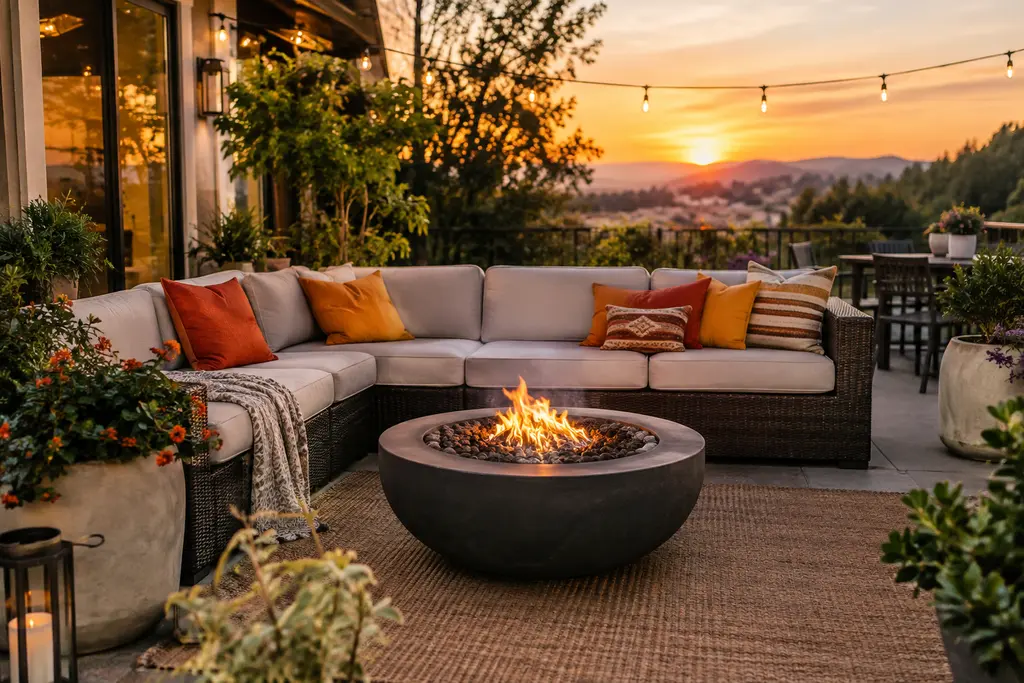
Outdoor Comfort Upgrades should begin with the simplest question: where will people sit comfortably, and can they move through the area without squeezing around furniture? A seating plan that blocks a door, narrows a walkway, or pushes chairs too close to steps may look good in photos but create daily frustration.
For many homes, a practical first phase is not construction. It is measuring the usable patio, deck, porch, or yard edge and testing furniture placement with temporary markers. This helps reveal whether a sofa, two lounge chairs, or a dining table actually fits. Homeowners can also check whether cushions have dry storage, whether seating faces harsh afternoon sun, and whether conversation areas still leave a clear path to doors and gates.
Comfort Is Not The Same As Resale Planning
The research also points to a shift in motivation. In 2026, 25% of outdoor renovations were motivated by making spaces more accommodating, while 15% were done to improve resale value. That does not mean resale should be ignored, but it does support a more practical standard: build for daily use first and avoid assuming any single outdoor project will pay back in a predictable way.
A homeowner planning a modest patio refresh may get more benefit from stable seating, shade, and evening visibility than from a larger feature that adds upkeep. For a related planning angle, our discussion of outdoor design trends for everyday living looks at similar choices through the lens of frequent use rather than occasional entertaining.
Plan For Shade, Light, And Daily Use
Shade and lighting are two of the most useful comfort upgrades because they change how long a space can be used during the day and after sunset. Research notes that shade structures appeared in 35% of renovations in 2026, a 15-point increase since 2024. That rise makes sense: a seating area that is too hot for long stretches may sit unused even if the furniture is comfortable.
Shade choices should be matched to the house and risk level. Freestanding umbrellas and movable canopies can be lower-commitment options, though they still need stable bases and safe use in wind. Attached pergolas, roof extensions, and overhead structures are different. They may involve footings, load paths, waterproofing, exterior wall attachment, and local permit rules. Those are not good places for guesswork. A qualified contractor, and where needed a design professional or local building official, should be involved before work begins.
Lighting Should Support Movement, Not Just Mood
Outdoor lighting can make a patio feel more usable, but safety should drive the layout. Steps, level changes, cooking areas, door thresholds, and paths deserve attention before decorative accent lighting. Low-voltage systems may appear approachable, but homeowners should still follow manufacturer instructions and hire a licensed electrician for line-voltage work, added circuits, exterior outlets, or any installation where water exposure and electrical safety intersect.
Outdoor Comfort Upgrades also need to respect neighbors and the home’s own windows. Brighter is not always better. Shielded fixtures, lower mounting heights, and targeted lighting can reduce glare while still helping people move safely from the door to seating, stairs, or a gate.
Outdoor Kitchens Raise The Risk Level
Outdoor kitchens attract attention because they promise convenience, but they also add technical demands. Among homeowners adding or improving outdoor kitchens in 2026, 68% included plumbing, electrical, or heating infrastructure, and 61% included appliances. Those figures show why these projects should be treated differently from furniture upgrades.
Gas, electrical, plumbing, venting, appliance clearances, drainage, and weather exposure all create safety concerns. Homeowners can still make smart design decisions, such as placing food prep near seating without blocking circulation, but the installation work itself should be handled by qualified trades. For anyone comparing outdoor-use patterns across primary homes and vacation settings, Weekender Villas serves as a great example of how outdoor spaces can enhance relaxed stays.
Materials, Planting, And Exterior Priorities
Comfort is affected by what is underfoot and around the seating area. Research from 2026 shows hard surfaces at 57%, mulch at 51%, and synthetic turf at 19%, with synthetic turf up 10 points since 2024. These choices may reduce mowing or define activity zones, but each has trade-offs. Hard surfaces can increase glare or heat in some settings. Mulch may need replenishment. Synthetic turf can simplify one type of maintenance while still requiring cleaning and heat awareness.
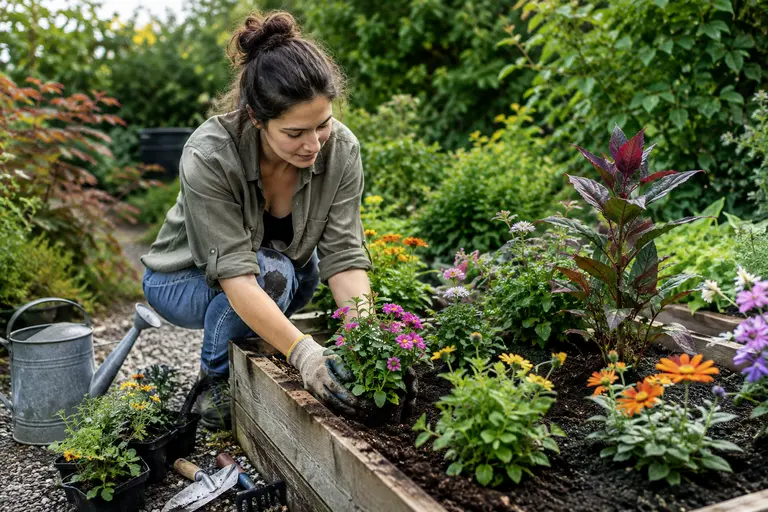
Planting choices show a similar preference for less demanding care. Among homeowners upgrading outdoor plantings in 2026, 73% chose low-maintenance plants, 56% chose pollinator-attracting plants, 55% chose native plants, and 49% chose drought-resistant varieties. Those numbers support a practical approach: choose plants based on local conditions, water access, mature size, and maintenance capacity rather than appearance alone.
- Check mature plant size before placing shrubs near paths, windows, or air-conditioning equipment.
- Keep walking surfaces even, visible, and free of loose edges where possible.
- Use shade and planting together so seating is not exposed for the entire day.
- Ask local professionals about drainage before adding large paved areas.
Exterior maintenance should not be separated from outdoor comfort. The research notes that 51% of renovating households upgraded roofing, 48% upgraded gutters or downspouts, 41% upgraded windows or skylights, and 34% upgraded exterior doors. These projects may not feel as relaxing as a lounge chair, but water control, access, and weather protection affect how safe and usable nearby outdoor areas remain.
Outdoor Comfort Upgrades That Respect The House
Outdoor Comfort Upgrades work best when they fit the home’s limits instead of fighting them. A narrow side yard may be better as a shaded path with planting than as a cramped dining zone. A sunny rear patio may need shade and lighting before an appliance package. A front porch may call for durable seating, a clear walking route, and modest planting rather than a major rebuild.
Exterior appearance trends can inform choices without taking over the project. Research notes that beige became the preferred exterior wall color for 24% of renovating homeowners in 2026, and architectural beams as exterior accents reached 43%. Those trends may guide color and detail discussions, but they should be tested against the home’s architecture, maintenance needs, climate exposure, and budget.
The practical path is to rank work by use and risk. Furniture, container planting, and movable shade can often be phased in gradually. Structural shade, exterior doors, roofing, drainage, outdoor kitchens, and electrical changes call for professional review. The best outdoor spaces are not the ones with the longest feature list. They are the ones that let people sit, move, cook, garden, and gather with fewer comfort problems and fewer avoidable safety risks.