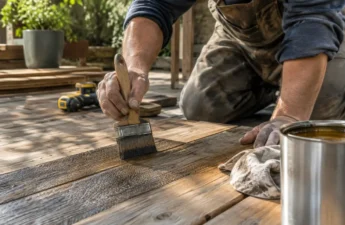
Remodeling slowdowns are changing how homeowners should think about materials and finishes in 2026. The better response is not to stop planning or chase the cheapest surface available. It is to separate necessary replacement work from discretionary upgrades, then choose finishes that reduce callbacks, safety risks, and premature replacement.
Harvard’s July 23, 2026 LIRA release, as summarized in the research notes for this article, projected renovation and repair spending growth slowing from about 2.0% to 2.1% in mid-2026 to 0.5% year over year by Q2 2027, with total spending through mid-2027 forecast at about $519 billion. That is still a large market, but the pace matters. Slower growth tends to make homeowners more selective, especially on cabinetry, decorative trim, tile, flooring, and other visible finish categories that can be deferred if a home is still functioning safely.
What Remodeling Slowdowns Mean For Finishes
The practical design shift is toward restraint. A homeowner who might have replaced usable cabinets, counters, flooring, and lighting in one project may now keep part of the room intact, repair damaged elements first, and reserve higher-cost finishes for areas with daily wear or moisture exposure.
How Remodeling Slowdowns Change The Design Brief
Remodeling slowdowns do not remove design goals; they force clearer priorities. The first question becomes whether the finish is failing, unsafe, moisture-damaged, hard to clean, or only dated. A cracked stair tread, swollen subfloor, leaking window assembly, deteriorated exterior cladding, or loose railing is in a different category than a cabinet color that feels tired.
This matters because finish decisions often hide technical work. New flooring may expose subfloor problems. A bathroom tile change may involve waterproofing, ventilation, or plumbing conditions that should not be handled casually. A kitchen finish refresh can uncover electrical or structural issues. For those areas, the safer budget assumption is that qualified trades may be needed, not just a different surface material.
Where Aesthetic Upgrades Are Being Deferred
The research notes indicate that large discretionary remodeling and amenity projects were lagging after the July 23, 2026 LIRA release, while maintenance, replacement, and repair work remained more resilient. For finishes, that suggests softer demand for non-structural upgrades such as decorative trim, some flooring changes, cabinet refacing, and purely style-driven tile work.
That does not mean these projects are poor choices. It means the value case should be tested. If a finish is part of a moisture-control system, improves cleanability in a high-use area, or supports aging-in-place access, it has a stronger practical argument than a full-room style reset with no repair need.
Why Replacement Work Is Holding Up
Replacement spending has been a more durable part of the remodeling market. The research notes cite 2023 data showing that, out of roughly $405 billion in owner-occupied home improvement spending, replacement projects accounted for just over half, about $197 billion. Discretionary kitchen and bath remodels made up about 30%, or roughly $121 billion.
Exterior And System-Linked Finishes
Many exterior finishes are not just visual. Roofing, siding, windows, doors, insulation, and water-management details affect durability and energy performance. The research notes also state that energy-impacting improvements made up about 34% of homeowner improvement spending in 2023, including about $46 billion for roofing, $40 billion for HVAC, and $22 billion for windows and doors.
That context should influence finish specifications. A homeowner may reasonably postpone a decorative backsplash, but a failing roof finish, rotted siding, or leaking window opening can damage insulation, framing, drywall, flooring, and interior finishes. In a slower market, preventive replacement can still be the less risky choice.
Interior Surfaces That Carry Safety Risks
Interior finishes can also move beyond appearance. Flooring with trip hazards, loose stair nosing, slick bathroom surfaces, damaged drywall near moisture, and deteriorated handrail finishes deserve more attention than purely cosmetic changes. Homeowners should avoid removing walls, altering stair structures, moving plumbing, or opening electrical assemblies without appropriate permits and qualified professionals where required.
For owners comparing which work belongs in the first phase, a related discussion of remodeling material costs can help frame substitutions without cutting into durability or safety.
Cost Pressure In Materials And Finishes
Material pricing remains a key constraint. Between January 2020 and December 2025, Harvard’s America’s Rental Housing 2026 report tracked steep price increases in major building materials: gypsum rose about 47%, plastic construction products about 41%, ready-mix concrete about 37%, brick and structural clay tile about 33%, and lumber and wood products about 26% Harvard JCHS report.
Those categories influence more than framing. Gypsum affects drywall assemblies and repair costs. Plastic construction products can affect trim, drainage, exterior components, and certain finish systems. Concrete and masonry prices matter for patios, steps, slabs, masonry repairs, and exterior transitions. Lumber and wood products touch cabinetry, trim, subflooring, decking, blocking, and structural repairs that may sit behind the finish.
Why The Cheapest Finish Can Cost More Later
In practical terms, remodeling slowdowns can tempt households to choose the lowest bid or lowest shelf price. That can be risky if the product is poorly matched to moisture, traffic, sunlight, installation conditions, or maintenance expectations. A low-cost floor in a wet entry, an unsuitable paint in a high-condensation bath, or interior-grade trim used near exterior moisture can create repeat work.
The safer approach is to reduce scope before reducing performance. For example, finish one bathroom properly rather than spreading thin funds across two rooms. Replace damaged siding on the most exposed elevation before repainting areas that are still sound. Select a modest but appropriate floor instead of a visually appealing product that conflicts with the home’s use.
May 2026 Input Costs And Bid Discipline
Cost pressure had not disappeared by May 2026. HousingWire reported that year-over-year building material prices were up about 4.4%, lumber was up about 5.6%, metal moldings and trim rose about 42.9%, and gypsum building materials were down about 1.1% in that period HousingWire cost report.
Those numbers support a cautious bidding process. If metal trim, wood trim, or specialty finish profiles are a large part of the design, homeowners should ask contractors how long pricing is valid, what substitutions are acceptable, and whether a comparable profile could reduce cost without compromising installation quality. The answer should be written into the contract before materials are ordered.
Safer Ways To Phase Finish Selections

Phasing can protect a budget, but only if the sequence is technically sound. Installing new flooring before resolving leaks, drainage, subfloor movement, or humidity problems can waste money. Painting before repairing ventilation or water intrusion may hide symptoms briefly while damage continues.
A Practical Priority Test
A disciplined finish plan starts with evidence from the house, not a showroom mood board. Homeowners should walk the home with a qualified contractor or inspector when conditions suggest hidden risk. Moisture staining, soft flooring, recurring cracks, musty smells, loose tile, and doors or windows that no longer operate correctly may point to issues behind the finish.
- Repair water intrusion, unsafe surfaces, and structural concerns before cosmetic work.
- Keep high-wear finishes simple, cleanable, and compatible with the room’s moisture level.
- Ask which materials have volatile pricing, long lead times, or installation limits.
- Use allowances carefully, since finish upgrades can expand the budget after work begins.
- Hire licensed or qualified pros for electrical, plumbing, gas, roofing, structural, and major waterproofing work.
Outdoor Living And Weather Exposure
Outdoor finishes deserve special caution because they sit at the edge of weather, drainage, pests, and structural support. Decking, exterior tile, railing finishes, masonry, and siding details should be selected for climate exposure and slip resistance, not just color. Readers exploring outdoor leisure spaces might find the site Weekender Villas useful for more inspiration, but homeowners should still ensure compliance with local codes and materials appropriate for their environment.
For exterior work, homeowners should be careful with DIY assumptions. Ladder work, roof edges, guardrails, structural deck components, and water-management details can create serious injury or property-damage risks. A phased plan can still be practical while assigning high-risk work to qualified professionals.
Material Choices During Remodeling Slowdowns
For households facing remodeling slowdowns, the best finish strategy is selective rather than fearful. Spend first on materials that protect the building, improve safe daily use, and reduce the chance of repeated work. Be more conservative with decorative upgrades that can be revisited later without tearing into completed construction.
In a kitchen, that may mean repairing ventilation, flooring transitions, and damaged surfaces before replacing every cabinet face. In a bath, it may mean prioritizing waterproofing, safe flooring, and proper exhaust over luxury tile patterns. On the exterior, it may mean siding repair, window integrity, roofing, and flashing before decorative trim changes.
Harvard’s LIRA signal for 2026 does not argue against remodeling. It argues for sharper sequencing. Homeowners who treat finishes as part of a performance system—rather than the final decorative layer alone—are better positioned to manage slower spending growth, elevated input costs, and the safety realities that often sit behind the surface.