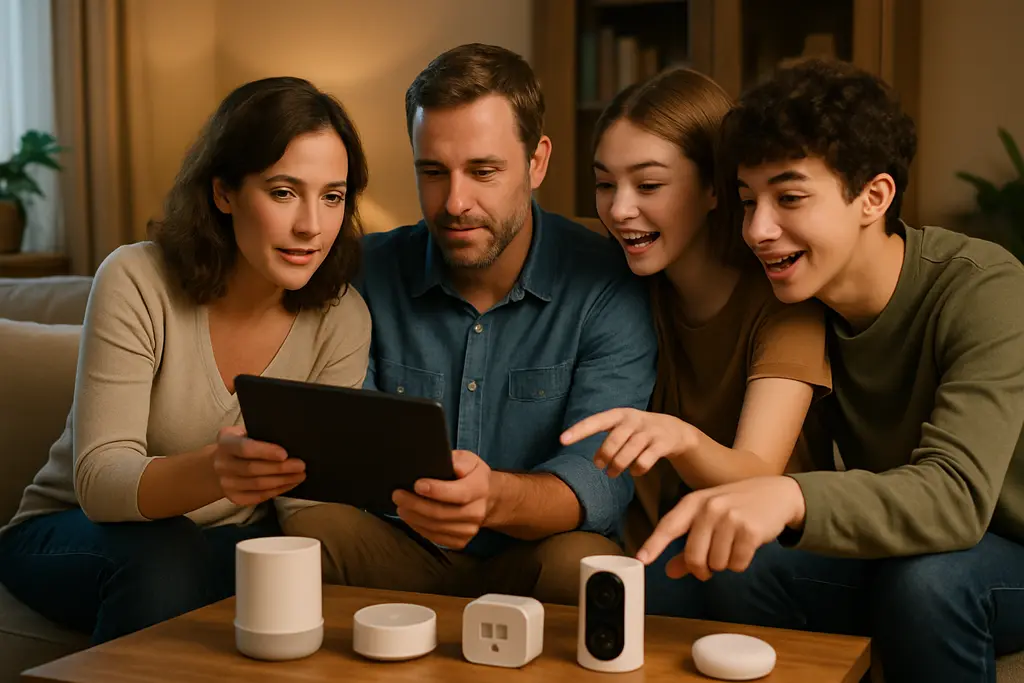
Smart home tools are no longer fringe purchases for homeowners planning routine upgrades. The better question in 2026 is not whether a device has an app, but whether it solves a real problem safely, works with the rest of the house, and can be supported over time. Security cameras, doorbells, locks, thermostats, sensors, and energy controls can be useful, but the purchase decision needs the same discipline homeowners bring to roofing, HVAC, or electrical planning: define the need first, then buy the tool.
The recent data points in one clear direction: homeowners are buying connected products, but they are also running into setup, compatibility, privacy, and cost concerns. That makes a cautious buying order more useful than a wish list. A device that looks convenient in a product listing may be poor value if it adds another app, requires paid services the owner did not plan for, or depends on installation work that should be handled by a qualified trade professional.
What The Data Says About Smart Home Demand
Security Leads The Purchase Pattern
Vivint reported that its How We Home survey of 5,000 U.S. homeowners, conducted October 1-6, 2025, found that 85% had at least one smart home device. The same survey found that 61% had bought one to three devices in the prior 12 months, and 55% said they intended to purchase new devices over the following 12 months. Outdoor security cameras and smart doorbells were the most commonly named intended purchases, at 20% and 19%, respectively, according to the Vivint homeowner survey.
Those figures support what many remodeling plans already show: connected security is often the first category homeowners consider. A front doorbell camera is visible, easy to understand, and tied to daily concerns about packages, visitors, and access. Exterior cameras and locks can also fit into a broader safety plan, though homeowners should avoid treating any single device as a substitute for good lighting, sound door hardware, and clear household routines.
Different Surveys Measure Different Households
Research should be read with care. Horowitz Research reported that about 40% of U.S. consumers overall owned smart home devices, and among those owners, the most commonly owned types were video doorbells, cameras, and smart locks at 55%, followed by smart TVs at 44% and sound systems at 42%. The same release identified device configuration, fragmented ecosystems, and interest in a centralized platform as adoption challenges in the Horowitz Research findings.
The Vivint and Horowitz numbers are not identical because they describe different survey populations. For design planning, the shared message matters more than the gap: security products are common, and owners are asking for easier control. That is where smart home tools can either simplify a house or add small points of friction in every room.
Why Smart Home Tools Should Start With Safety
Smart Home Tools Start With Risk, Not Features
The safest buying order starts with devices tied to access, detection, and essential household awareness. Doorbell cameras, exterior cameras, locks, smoke and carbon monoxide detectors, and garage access devices are practical only if they are selected for reliability and installed within the owner’s skill level. Battery products still need charging discipline. Hardwired products, garage door operators, HVAC-connected controls, and any device tied into electrical systems may require a qualified professional.
Homeowners should be especially cautious with smoke and carbon monoxide detection. Connected alerts can be helpful, but they should not encourage casual placement, disabled alarms, or skipped maintenance. Placement, interconnection, power source, and replacement timing should follow the manufacturer’s instructions and local requirements. If the product is part of a monitored system, owners should understand what happens during a power outage, internet outage, or subscription lapse.
Access Control Needs Household Rules
Smart locks and garage controls are convenient, but they also create new decisions: who receives access, how codes are changed, whether guest codes expire, and how the door functions if the phone is lost or the network is down. A cautious household policy is not high-tech; it is simple. Limit shared access, remove old codes, keep a physical backup where appropriate, and confirm that every adult in the home knows how the door operates during an outage.
For owners planning connected devices in a vacation property or part-time residence, usage patterns can be different from a primary home. A short-term or seasonal house may need simpler controls and clearer maintenance routines. Helpful insights into managing these needs can be found on Weekender Villas, which provides valuable context on how to effectively manage properties when not always present.
Compatibility And Control Are Purchase Criteria
A Smaller System Can Be Better
The strongest purchase plans favor a smaller number of devices that work together over a larger collection of products that each need separate setup. Horowitz’s findings on configuration challenges and fragmented ecosystems match a common homeowner frustration: the fourth device is often harder to manage than the first. Before buying, homeowners should check what platform the device supports, whether it can be managed from the same app or hub as existing products, and whether firmware updates are clearly supported.
This is also where homeowners should be skeptical of feature claims built around artificial intelligence. A camera that reliably records, alerts, and stores footage according to the owner’s privacy preferences is more useful than one with complicated detection features that create false alerts. A thermostat that household members can actually use is better than one that saves settings no one understands and everyone overrides.
Privacy Belongs In The Same Conversation As Convenience
Privacy is not an abstract issue in a connected home. Cameras, doorbells, locks, thermostats, and speakers can collect information about routines, visitors, and occupancy. Homeowners should review account security, device permissions, video storage settings, and whether access can be removed cleanly when a renter, guest, employee, or former household member no longer needs it. If a device cannot be understood without repeated support calls, it may not be the right device for that household.
Home improvement planning often separates “tools” from “technology,” but the screening process is similar. Owners comparing connected devices can apply the same discipline used for saws, drills, and other remodeling purchases: check support, safety risk, setup requirements, and whether a professional should handle part of the job. For a broader remodeling perspective, the same-site review of tool buying trends follows a similar risk-first approach.
Energy Management Belongs In The Buying Plan
Cost Claims Need Measurable Targets
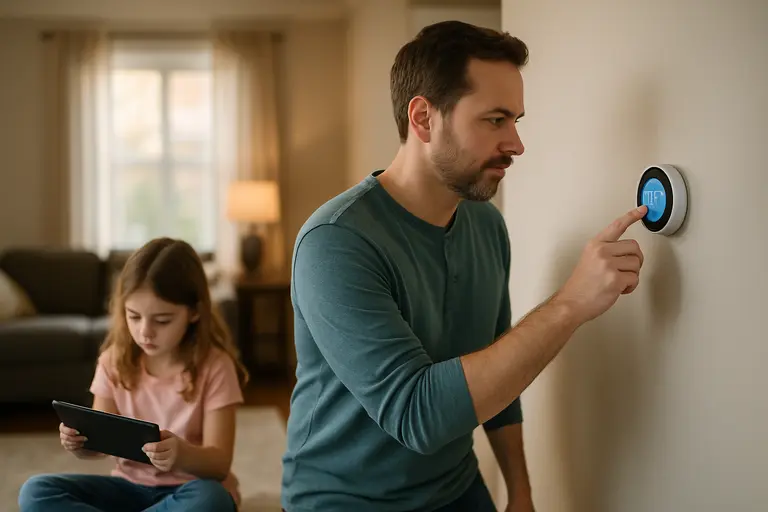
Vivint reported that 77% of homeowners expressed interest in a smart home solution offering holistic energy management, while 59% said energy bills had increased in the prior year. Cost was cited by 53% of all homeowners as a top consideration. Those findings explain why thermostats, plugs, lighting controls, and energy monitoring products are attracting attention, but they do not prove that every device will pay for itself in every house.
Homeowners should define the target before buying. A smart thermostat may be a good candidate if the household has a consistent schedule, compatible HVAC equipment, and users willing to keep sensible settings. Smart plugs may help identify or control specific loads, but they are not a substitute for addressing aging equipment, poor air sealing, or unsafe wiring. Lighting controls can reduce waste in some rooms, yet the value depends on use patterns and existing fixtures.
Do Not Let A Device Hide A Repair Problem
Energy controls should never mask a comfort or safety issue. If rooms are chronically too hot or too cold, a connected thermostat may make the problem easier to observe, but it does not diagnose ductwork, insulation, equipment sizing, or mechanical faults. HVAC-related work should be evaluated by qualified professionals, especially before connecting controls to older systems. The same caution applies to electrical panels, outdoor outlets, and any device that changes how power is delivered or controlled.
For design purposes, the best energy-related purchases are usually the ones that make behavior visible without creating confusion. If the household can see energy use, adjust schedules, and maintain comfort safely, the device has a practical role. If the product adds another dashboard without changing decisions, it may be a low-priority purchase.
A Practical Purchase Order For Smart Home Tools
Use A Priority List Before The Cart
A homeowner does not need to buy every connected product at once. A staged approach reduces setup fatigue and gives the household time to learn what actually helps. The list below is not a universal ranking, but it reflects the purchase patterns and concerns shown in the research.
- First: address safety and access, including doorbell cameras, exterior awareness, locks, and alarms where appropriate.
- Second: choose a control platform and avoid buying devices that will force a separate routine for every room.
- Third: evaluate energy controls against real household habits, not broad savings language.
- Fourth: review privacy settings, account access, update support, and subscription costs before installation.
- Fifth: bring in qualified help for hardwired devices, HVAC controls, garage systems, and any work beyond safe homeowner capability.
The practical trend is not more technology for its own sake. It is a move toward devices that solve clear problems: seeing the front door, managing access, detecting hazards, reducing waste, and giving owners a simpler view of the home. Smart home tools deserve a place in remodeling and design conversations, but only after the homeowner has checked compatibility, safety, cost, and long-term support. A careful purchase may be less exciting than a cart full of devices, but it is more likely to make the house easier to live with.