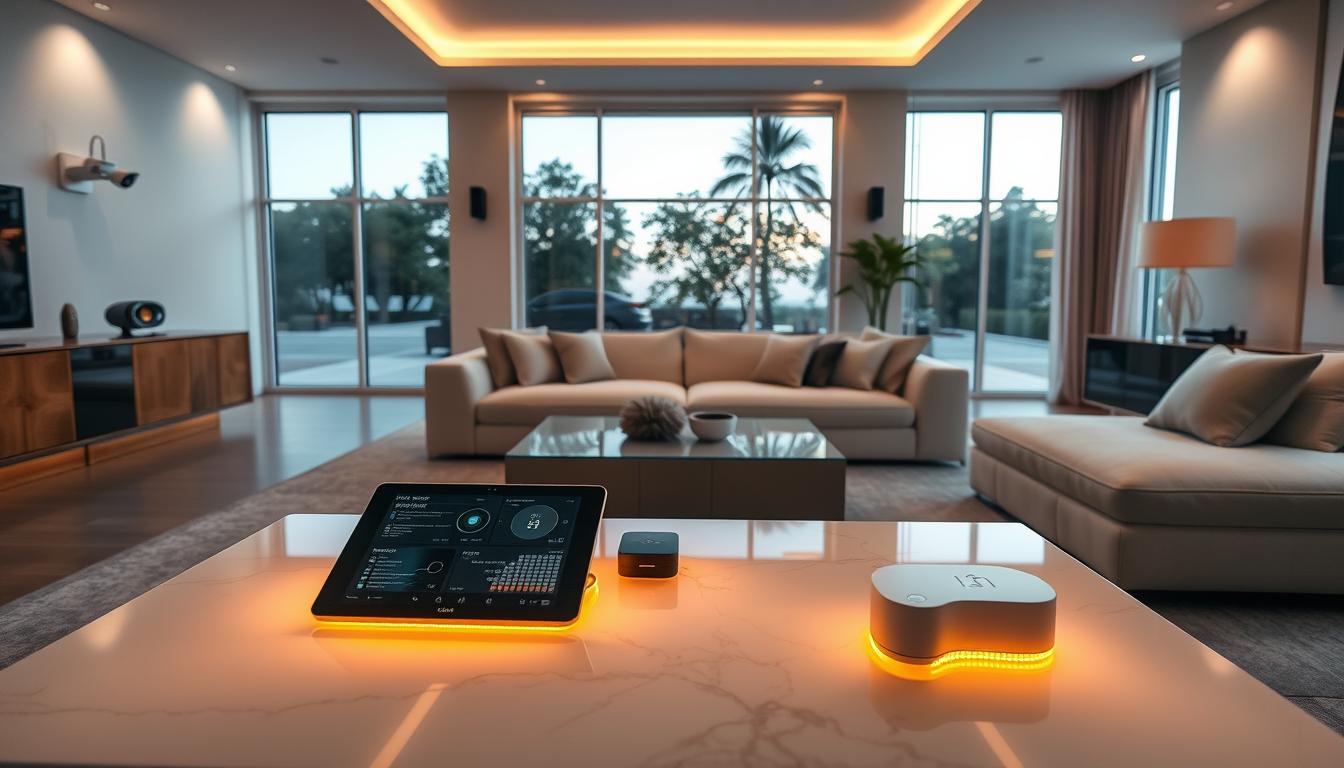
Let’s be honest about luxury smart homes. Disconnected systems feel as awkward as socks with sandals at a black-tie event.
I’ve seen many “smart” homes where technology clashes. It feels more like a Rube Goldberg machine than Tony Stark’s lair.
True luxury isn’t about how many gadgets you have. It’s about systems that work together smoothly. When your home knows what you like without you asking, that’s magic.
This is the power of whole-home integration. It turns separate devices into a smart system that works as one.
The change is huge. You go from owning smart gadgets to living in a truly smart home. The tech fades away, leaving only the experience.
Architect’s roadmap: wiring, closets, and ventilation
Wiring diagrams aren’t exciting until your $100,000 smart home acts strange. Poor infrastructure causes more failures than software bugs. It’s like building a Ferrari on a dirt road.
Structured cabling is key, not just for looks. It’s the home’s nervous system. Closets are the heart of your digital world. Without good ventilation, your tech gets sick and crashes.
Lighting + security: occupancy, presence, and vacation scenes
Integrated lighting security sound is real magic. Modern occupancy sensors know if it’s a pet or person. They adjust lights and security.
Security choreography is amazing. Imagine:
- Lights that brighten as you move
- Security alarms that turn off in occupied areas
- Pathway lights that turn on at night
Lighting scenes for when you’re away are smart. They mimic human life with random light changes and security camera tricks.
Sound + security: chimes, doorbells, voice announcements
Home security sound is often ignored. But when you’re unsure if it’s the door or microwave, it matters. Smart systems solve this with sound design.
They can tell apart:
- Guest doorbells and delivery alerts
- Security alerts and appliance chimes
- Emergency alarms and routine notifications
Voice announcements add context. You hear “Front gate access requested” or “Motion detected in backyard after hours.” It’s useful, not just noise.
The mix of integrated lighting security sound creates “ambient awareness.” Your home protects and talks to you in a way that feels natural.
Entry experience: gates, intercoms, access codes, geofencing
Your home’s arrival shouldn’t feel like airport security. It should say “members only” as you pull up. I create systems where security feels like joining an exclusive club. Technology meets your needs while keeping you safe.
Geofencing changes how you enter your home. Imagine your gates opening as you approach, thanks to your phone’s location. It’s like having a butler who knows you’re coming before you do.
Intercoms have moved from simple “who’s there?” boxes to smart recognition systems. Regular visitors get easy access, while unknown faces get checked. The best systems make your home feel safe and welcoming.
Access codes should change often, not stay the same. I use algorithms that update based on how you use them. This includes one-time codes for delivery and time-limited passes for guests.
Finding the right balance between security and convenience is key. Too much feels like prison, too little is risky. The goal is to make your home feel pampered and safe at the same time.
Systems can recognize your family’s cars and adjust your home’s settings as you arrive. They can even tell the difference between expected packages and unexpected visitors. Your entry experience can feel tailored just for you.
Modern security systems learn your habits and adapt. They get stronger when you’re away and ease up when you return. It’s like having a guardian angel watching over your home.
The aim is to have security that’s there when you need it but not when you don’t. It should be like having a discreet bodyguard. They keep you safe without getting in the way.
Creating this level of security takes careful planning and setup. It’s not just about cameras and keypads. It’s about building a system that protects and enhances your experience.
The result is an entry experience that feels like coming home to a sanctuary. Security doesn’t get in the way of the luxury of returning home.
AV over IP and centralized amplification
The shift from matrix switchers to AV over IP is huge. It’s like going from a flip phone to a smartphone. You wonder how you lived without it.
Those old amplifiers in closets used to overheat. And audio zones fought for bandwidth like kids over the remote. AV over IP fixes all these problems.
With centralized amplification, everything runs through one system. No more scattered components or overheating issues. It’s clean and organized.
The scalability of AV over IP is amazing. Adding a new audio zone is easy. Even outdoor speakers for the pool area are no problem. Traditional systems were hard to expand.
With AV over IP, your 4K movies won’t buffer. It handles many streams at once. It’s like magic – you see the wonder, not the wires.
AV over IP is more than just tech. It keeps the luxury experience smooth. You forget it’s there until you try something else.
The centralized approach makes things easier. Troubleshooting is a breeze. It’s like having a concierge for your audio-visual needs.
In luxury integration, AV over IP is the new norm. It’s not just an upgrade; it’s essential. Anything less feels old as soon as it’s installed.
Emergency modes: fire, panic, and safe‑egress lighting
Let’s get real about smart homes. When smoke fills the air or panic hits, fancy lighting scenes don’t matter. This is where integration turns from show-off tech to lifesaving tech.
I’ve set up systems that work like superheroes. When emergency modes kick in, everything else stops. Doors unlock, audio systems go silent, and your home turns into an escape machine.
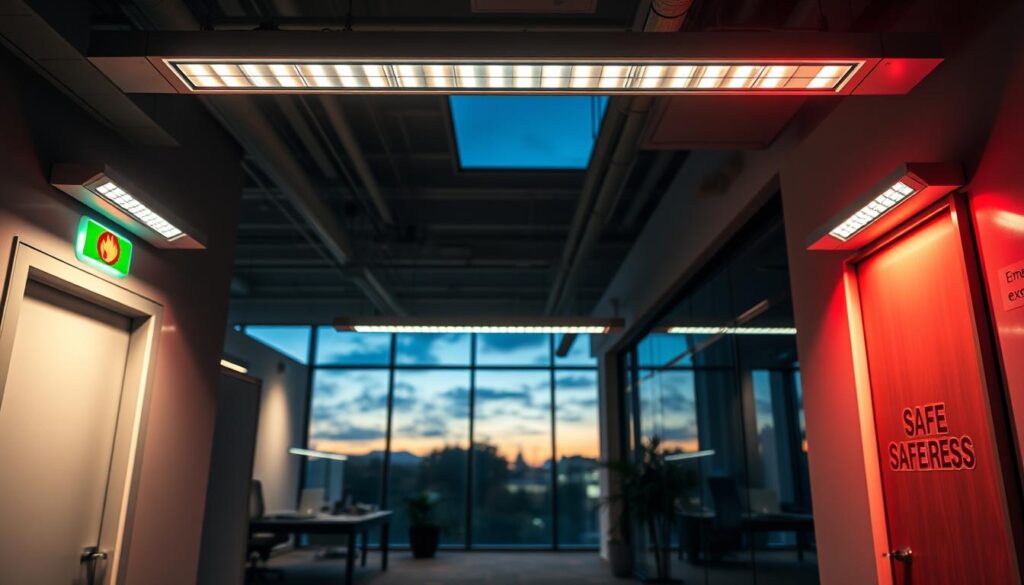
Panic buttons should do more than just call for help. They should start a rescue plan. Security cameras start recording, and special escape routes unlock. Your home lights up paths to safety like a sci-fi movie.
It’s like your home’s fight-or-flight response. The tech is hidden until it’s needed most. True luxury isn’t about voice commands. It’s about a system that saves your life when disaster strikes.
This isn’t just tech. It’s peace of mind built into your home. It’s planning you hope you never need but want when seconds count. The most luxurious feature is knowing your home will protect you when it matters most.
Privacy and data segmentation between subsystems
Imagine your security cameras talking to your streaming service about your late-night snacks. In today’s world, data segmentation is key to digital ethics. I make sure your entertainment and security info stay separate.
Why should your voice assistant know your alarm times? It shouldn’t. Each part of your system only gets the info it needs. This keeps your privacy safe while keeping everything running smoothly.
Think of it like separate apartments in a building. Each has its own space and privacy. They share some things but keep personal stuff private. That’s what security integration should be like today.
Here’s how we make sure data stays segmented:
| Subsystem | Data Access | Restrictions | Communication Protocol |
|---|---|---|---|
| Security Cameras | Motion patterns only | No audio recording | Encrypted VLAN |
| Access Control | Entry/exit logs | No biometric storage | Secure API |
| Entertainment | Media preferences | No location data | Isolated network |
| Climate Control | Room occupancy | No personal identifiers | Zoned automation |
The table shows how each part works in its own space. Security cameras watch for motion but don’t record sounds. Access control tracks who comes and goes without keeping personal info.
This way, your movie picks won’t be affected by how often you forget your code. Your entertainment and security stay separate. And your thermostat doesn’t know your daily routine.
Good network segmentation adds layers of privacy. If one part gets hacked, others stay safe. This keeps your home smart and private.
We follow strict data rules. Each part knows what it can access. We check often to make sure we’re following privacy rules. This makes your home smart and respectful of your privacy.
Commissioning checklist and acceptance testing
If whole-home integration were a Broadway show, commissioning would be opening night. Every detail must be perfect. I’ve seen many systems fail during this phase, more than a politician’s promises.
The difference between a good installation and a luxury experience lies in testing. It’s not just about making technology work. It’s about how it performs when you’re not paying attention.
Imagine stumbling to the bathroom at 2 AM. The lights should turn on by themselves. But does it work when you’re half asleep? That’s what I test. I check if the system works when you’re not expecting it to.

Then, I test if your doorbell can interrupt the sound system. Can unexpected guests get in without waking you? These tests show if your home is truly integrated.
My commissioning process includes 137 tests that would impress NASA. We check everything from power outages to network stress. A system that can’t recover from a brownout is like a Ferrari that stalls at red lights.
The most important test is the “life happens” scenario. We simulate emergencies and panic situations. True whole-home integration means your technology should be like an invisible butler.
This isn’t just about checking boxes. It’s about making sure your technology is invisible in your life. That’s luxury – technology that serves you so well, you forget it’s there.
Living with the system: updates, logs, and service SLAs
After the install crew leaves, the real test starts. Your smart home should stay fresh, not spoil like milk. I make service agreements that give you peace of mind.
Updates should come on time, not be unexpected guests. Maintenance plans help avoid problems before they start. It’s like keeping your digital home in top shape.
Service level agreements offer you access to expert help. No more long waits or frustration with your system. Real pros will fix issues quickly.
System logs become clear and useful, not a mystery. You’ll understand what’s happening without needing to be a tech expert. It’s like having a translator for your home’s language.
True luxury means your tech grows with you, not against you. The best isn’t just about cool features. It’s about reliable performance that lasts.