Durable tool choices are not driven by novelty as much as by jobsite predictability. Recent contractor purchasing research points in a steady direction: professionals tend to value quality, durability, reliability, and availability before softer selling points. For homeowners planning remodels, that pattern is useful because it separates tools that support safe, repeatable work from tools bought mainly because they look advanced on a shelf.
That does not mean every homeowner should buy contractor-grade equipment. A professional crew spreads tool costs across many projects, while a homeowner may use a saw, drill, fastener system, or surface-preparation tool only a few times. The better lesson is about criteria: ask whether a tool can handle the actual work, whether parts or accessories are available, whether the user can operate it safely, and whether a qualified trade should handle the task instead.
Why Durable Tool Choices Start With Availability
Purchase Data Points To Practical Priorities
The 2025 HIRI contractor data reported that 95% of surveyed contractors purchased tools and accessories in the past year, the same high rate reported for interior finishes, according to HIRI contractor channel data. The same research notes that quality, durability, and product availability were the top three brand attributes contractors valued. Sustainability and innovation ranked lower in the findings supplied for this article.
That ranking is not a dismissal of better materials or lower-impact products. It reflects the risk profile of remodeling work. If a tool fails during cabinet installation, flooring prep, or exterior repair, the delay can affect schedule, labor planning, and the condition of partially finished work. A homeowner may feel the same effect on a smaller scale when a weekend repair stretches across several evenings because a tool overheats, stalls, or needs a hard-to-find accessory.
Durable Tool Choices And Brand Criteria
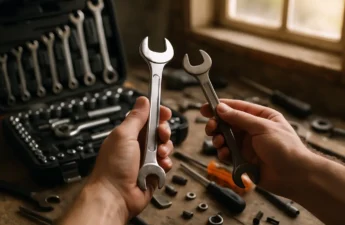
For design and remodeling planning, durable tool choices should be judged as part of the whole project, not as isolated purchases. A drill, nailer, oscillating tool, tile saw, or sander matters only if it matches the material, fasteners, dust-control needs, and user skill level. A tool with a long service life may still be the wrong choice if it encourages unsafe work on wiring, gas, plumbing, structural framing, roofing, or ladder-heavy tasks that should be handled by licensed or qualified trades.
Contractor behavior also shows why availability remains close to durability. HIRI’s channel data indicates that contractors still make most purchases in person, with big-box retailers dominant across tools, finishes, and materials, while specialized channels remain relevant for interiors, mechanical systems, and technical products. The practical reason is clear enough: a durable product is less useful if a compatible blade, battery, bit, sealant, fastener, or replacement part cannot be sourced when work is underway.
What Contractor Preferences Say About Project Risk
HVAC Findings Reinforce Reliability Over Features
The HVAC sector offers a helpful comparison because mechanical work has little tolerance for unreliable equipment or unclear service support. In a May–June 2025 survey of residential HVAC contractors, 79% marked quality as very important in brand selection, followed by reliability at 76%, durability at 67%, and availability at 64%, as reported by the ACHR News purchasing survey. Warranty, serviceability, and technical support were listed below 60% in the research notes.
Homeowners should read those results with care. The data does not say warranty or support are unimportant. It says that, for these surveyed contractors, the first filter was whether the product could perform dependably. That is a useful way to think about finishing tools and installation accessories as well. A long warranty cannot fully offset poor control, weak capacity, or repeated downtime during a project.
Why The Lowest Price Can Be Misleading
Recent purchasing research supplied for this article also points to quality of materials and competitive pricing as leading priorities for lumber and building-material dealer selection. That pairing is sensible. Price matters, especially during a remodel with many small decisions, but it should not be separated from failure risk. A cheap tool that damages finish material, produces rough cuts, or lacks dust-management compatibility can cost more than its receipt suggests.
This is where durable tool choices connect directly with materials and finishes. A high-quality flooring plank, tile, trim profile, or siding product still depends on proper cutting, fastening, surface preparation, and handling. The homeowner does not need to own every professional tool involved, but the project plan should identify which tools are essential, which can be rented, and which work should be assigned to a trade professional. For a deeper planning angle on this decision, see these tool buying criteria for remodels.
What Durable Tool Choices Mean For Home Projects
Match Tool Durability To Scope
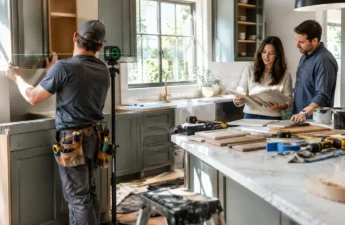
A common homeowner mistake is treating every project as either fully do-it-yourself or fully contracted. In practice, a safer plan often divides tasks by risk. Painting, simple assembly, non-structural storage upgrades, and some finish touch-ups may be reasonable for a careful owner with the right protective equipment and manufacturer instructions. Electrical panel work, gas lines, structural changes, major plumbing, roofing, and high ladder work belong with qualified professionals.
Tool durability should be matched to that scope. If a homeowner is preparing one room for paint, a dependable sander, dust collection approach, respirator selected for the material risk, and proper eye protection may matter more than buying the most expensive tool line. If a household plans several rooms of trim, built-ins, or flooring, a higher-quality platform may be easier to justify. The decision should include batteries, chargers, blades, abrasives, clamps, and storage, not only the base tool.
Finishes Can Be Damaged By Poor Tool Decisions
The research notes on exterior products reported that builders and remodelers placed durability, performance, curb appeal, and warranty ahead of cost when selecting windows, doors, roofing, and siding. While those findings apply to product selection rather than hand tools alone, they point to the same project logic: materials need to survive use, weather exposure, installation demands, and maintenance expectations.
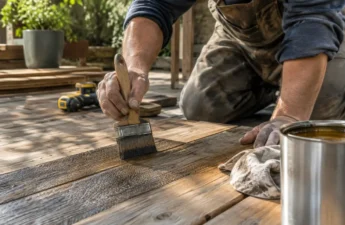
For interiors, the same principle applies to flooring, cabinetry, tile, and trim. Poor cutting support, worn blades, weak fastening control, or rushed surface preparation can affect visible finishes. A cautious homeowner should budget for the less glamorous items that protect the finish: stable work support, dust control, sharp consumables, measuring tools, and safe storage. None of these choices replace skill, but they reduce preventable damage.
Buying Channels And The Service Question

In-Person Buying Still Has A Practical Place
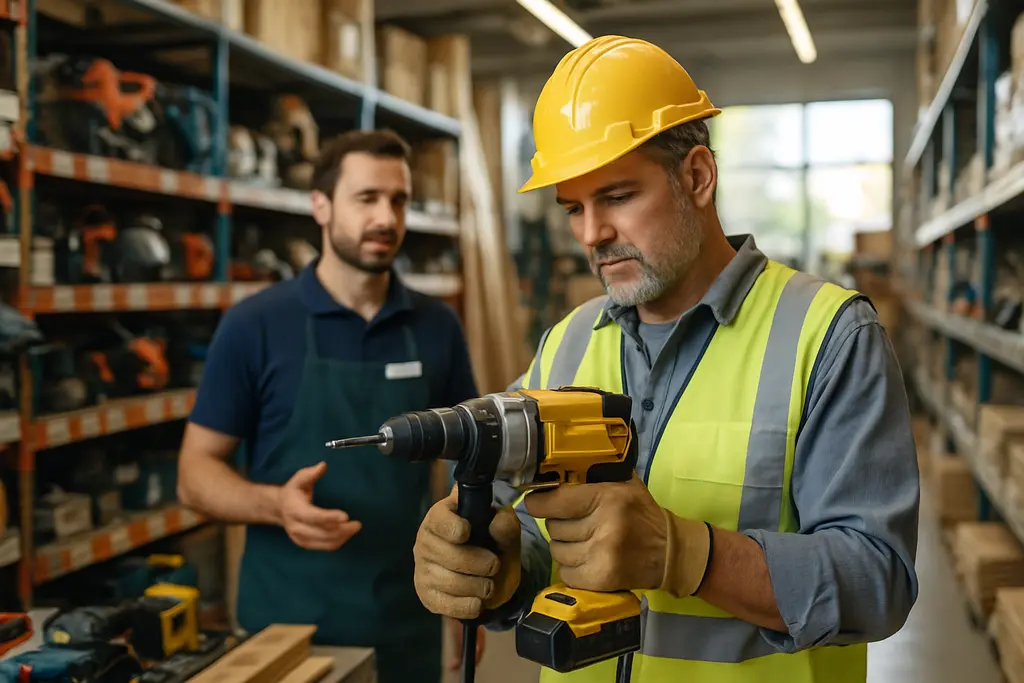
HIRI’s contractor channel findings, as provided in the research, indicate that in-person purchasing remains dominant, especially through big-box retailers. That is not surprising. Contractors often need immediate replacement parts, common consumables, and a chance to compare fit or availability before the next job starts. For homeowners, the same approach can reduce mismatched purchases, especially with blades, sanding pads, driver bits, fasteners, adhesives, and finish-specific accessories.
Online research still has value for checking manuals, specifications, safety notices, and compatibility. Yet a purchase should not be based only on ratings or short videos. A tool can look capable in a brief demonstration and still be poorly suited to a dense hardwood, masonry surface, large-format tile, or exterior assembly. Where the work affects structure, weather protection, mechanical systems, or occupant safety, buying a better tool is not a substitute for hiring the right professional.
Storage And Maintenance Affect Real Durability
Contractor preferences for durability assume regular use and basic care. Homeowners sometimes overlook that second part. Batteries left in poor storage conditions, dull blades forced through hard material, clogged filters, and tools stored in damp areas may fail earlier than expected. The safer habit is to read the manufacturer’s manual, use the tool within its stated limits, and stop work when the tool behaves abnormally.
Maintenance also affects project planning. A durable tool that requires specialty service may still be a poor choice for a one-time job if local support is limited. Renting can be more sensible for large tile saws, floor sanders, demolition tools, or equipment that requires setup knowledge. The rental decision should include instruction, protective equipment, transport, and whether the homeowner can use the tool without creating unsafe conditions.
Using Durable Tool Choices Without Overbuying
Build A Decision Filter Before Shopping
The clearest lesson from contractor purchasing reports is not that one brand or product type wins every job. It is that durable tool choices are tied to work capacity, reliability, availability, and fit for the task. Before buying, a homeowner can ask four practical questions: Will this tool be used enough to justify ownership? Does it match the material and finish quality expected? Are consumables and service options available? Would a professional reduce safety risk or protect the finished result?
- Buy for repeated, low-risk tasks where the user can follow the manual and work safely.
- Rent for short-term, specialized tasks that require a costly tool but not a licensed trade.
- Hire a qualified professional for electrical, gas, structural, roofing, major plumbing, and other high-risk work.
That filter also supports better design decisions. A finish schedule that calls for difficult materials may require professional installation, specialized blades, dust control, or longer lead times. Durable materials and finishes are only as reliable as the planning behind them. The same durability-first mindset can apply beyond primary residences; the related site Weekender Villas discusses home and stay-focused living contexts where finish wear and maintenance planning also matter.
For most homeowners, the practical target is not a garage full of commercial equipment. It is a safer project plan, better coordination with contractors, and fewer false savings from tools that cannot support the work. Contractor preferences point toward a sober rule: quality and availability matter because they reduce interruption, protect finishes, and help the right person use the right tool for the job.