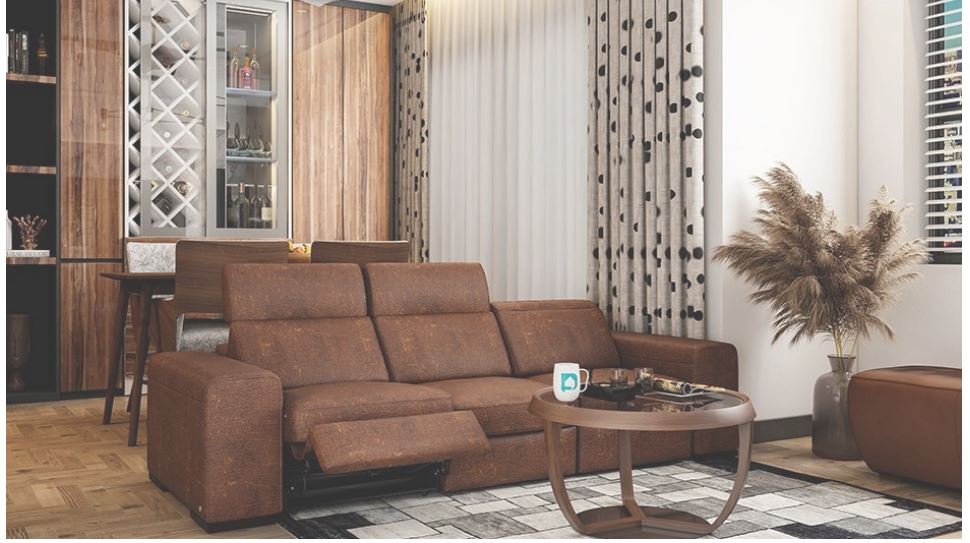
Residential seating spent decades trapped in formal rigidity. Designers favored stiff, upright sofas that looked beautiful in photos but lacked comfort. The modern homeowner rejects this visual punishment.
The recliner stepped in to fill this gap, and the modern recliner benefits became clear. Motion furniture evolved into a refined, architectural feature rather than an uninspired afterthought.
The new generation of reclining chairs merges precise biomechanical engineering with sleek, high-end upholstery. Moreover, this shift proves that extreme comfort and sophisticated interior design can coexist within the same floor plan.
The Ergonomic Evolution Of Living Room Seating
The human spine takes a constant beating from gravity. Hence, sitting upright in a standard chair forces the lower back to support the entire upper body weight. Prolonged static sitting compresses spinal discs and restricts blood flow to the lower extremities. Thus, modern recliner benefits include gentler load on the spine. Reclining shifts the load from the spine. Tilting the torso backward transfers the gravitational pressure from the lumbar region into the chair’s sturdy frame. This mechanical support allows the surrounding muscles to disengage. True rest occurs the moment the muscle tension drops.
The mechanical systems driving these chairs shifted from crude spring-loaded levers to silent, dual-motor actuators.
A traditional push-back chair requires aggressive physical force.
It offers limited locking positions.
Moreover, modern motorized recliners operate smoothly.
They allow the user to stop the motion at the exact millimeter of maximum comfort.
Dual-motor systems separate the footrest operation from the backrest tilt.
This independence allows a person to sit upright.
They can raise the legs fully to watch television or read a book.
These modern recliner benefits come from precise geometry control.
The user controls the exact geometry of the seat.
Health And Circulatory Advantages Of Zero Gravity
Additionally, the medical community recognizes physical advantages tied to raised seating positions.
NASA engineers originally developed the zero-gravity posture to protect astronauts during launch.
This exact geometry now exists in residential furniture and demonstrates modern recliner benefits.
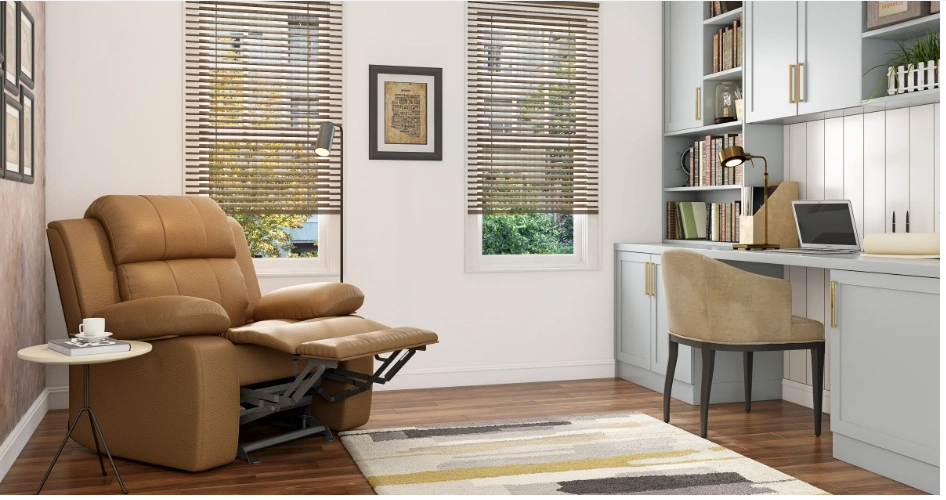
A zero-gravity recliner raises the knees slightly above the level of the heart.
This specific angle distributes body weight across the entire seating surface, creating a sensation of weightlessness.
This position drastically reduces strain on the heart muscle. Pumping blood back up from the legs requires less effort. Organizations like the American Chiropractic Association publish extensive research showing how supportive, adjustable seating mitigates chronic lower back pain and improves daily circulatory function. The chair actively combats the physical fatigue generated by long hours at a desk or heavy manual labor.
Integrating Motion Furniture Into High-End Floor Plans
Placing a massive mechanical chair in a room requires exact spatial planning. Older models demanded three feet of empty clearance behind the headrest to lean back. This footprint destroyed traffic flow in small rooms. This change also improved safety by reducing trips over uneven clearance.
Engineers solved this problem by inventing the wall-hugger mechanism. The internal track slides the seat forward as the backrest reclines. You can place the chair inches from the drywall without causing damage. This arrangement demonstrates modern recliner benefits. Clinicians and designers cite smoother movement and easier room planning. Maintenance remains straightforward, with fewer moving parts exposed to scrapes.
Individuals planning extensive floor plan updates partner with experts in custom home building to map these clearance zones perfectly. The architectural layout must accommodate the furniture in its fully extended position without blocking primary walkways or doorways. Dedicated media rooms frequently utilize stepped flooring to allow multiple rows of reclining chairs to operate simultaneously without obstructing the sightlines of the guests sitting in the back row.
Aesthetic Integration And Hidden Mechanisms
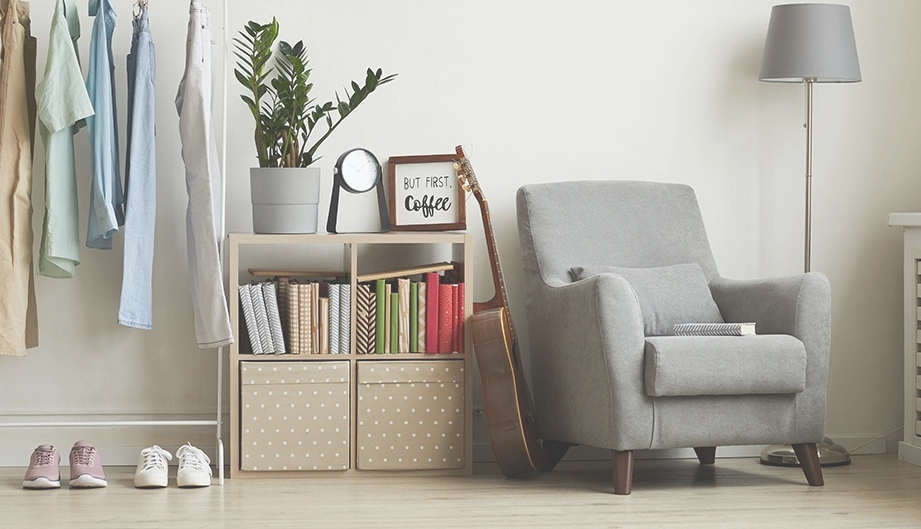
The stigma attached to motion furniture revolved around visual bulk. Early models featured massive, overstuffed arms and exposed metal levers. They dominated the room and clashed with refined architectural elements. Manufacturers corrected this flaw entirely. The current market offers sleek, low-profile silhouettes indistinguishable from high-end stationary seating.
Designers hide the mechanical switches on the inside of the armrest. Battery packs replace thick electrical cords, allowing homeowners to float the chair in the center of the room without searching for a wall outlet. You find motion hidden inside classic wingback profiles, track-arm club chairs, and minimal Scandinavian designs. The living room maintains its visual sophistication.
Biomechanical Support And Posture Correction
Proper seating requires more than a soft cushion. The human skeletal system needs targeted resistance. A quality reclining chair provides distinct zones of support. The lumbar region carries the heaviest burden. Advanced models feature adjustable pneumatic lumbar bladders. The user inflates or deflates the lower back support to match the natural curvature of their spine.
Articulating headrests solve a common problem with older designs. Leaning back usually forces the eyes to stare straight up at the ceiling. An articulating headrest tilts forward mechanically, cradling the neck and pointing the sightline directly at a television or a book. This eliminates the need to stack loose pillows behind the head.
Material Selection For Extreme Durability
The mechanical stress placed on a motion chair far exceeds the wear on a stationary sofa. The internal framing must utilize kiln-dried hardwood or reinforced steel. Softwoods warp and crack under the constant shifting weight. The exterior upholstery faces extreme friction. Full-grain leather offers the highest structural resistance. It stretches naturally with the movement of the footrest and resists liquid spills effortlessly.
High-performance synthetic fabrics provide an excellent alternative for homes with pets. These tightly woven textiles repel stains and hide animal hair, maintaining a clean aesthetic year-round. The choice of material dictates the thermal comfort of the user. Leather runs cold in winter and hot in summer. Heavy linen or brushed chenille offers a temperature-neutral surface perfect for long periods of rest.
Foam Density And Seat Suspension
The internal padding determines the lifespan of the furniture. Cheap poly-foam breaks down rapidly. The seat develops permanent sinkholes after a few months of heavy use. Investing in high-resiliency foam prevents this structural failure. High-resiliency foam possesses a tight cellular structure that bounces back to its original shape instantly. Many high-end manufacturers wrap this dense foam core in a layer of down feathers or synthetic memory foam. This creates an initial soft seating surface backed by rigid orthopedic support.
The suspension system sitting below the foam requires equal scrutiny. Sinuous steel springs or heavy-duty webbing absorb the impact of a person sitting down, protecting the wooden frame from catastrophic cracks.
Analyzing Recliner Types For Specific Architectural Needs
Matching the correct chair to the physical space prevents costly purchasing errors. Every design solves a different spatial or physical problem.
| Recliner Classification | Mechanical Function | Best Architectural Application |
| Wall-Hugger | Glides forward on an internal track | Compact apartments, tight corners |
| Zero-Gravity | Raises knees above the heart line | Media rooms, physical recovery zones |
| Lift Chair | Tilts entire base upward | Multi-generational homes, aging in place |
| Push-Back | Relies on body weight, no lever | Formal living rooms, minimalist layouts |
Investing in high-quality motion furniture yields daily health benefits. Moreover, these modern recliner benefits have erased the stigma around such chairs. Homeowners no longer have to sacrifice the living room’s visual integrity. The space functions as intended, providing a sanctuary for physical recovery.