Comfortable outdoor living spaces are no longer being treated as decorative add-ons. Recent Houzz research shows homeowners are using patios, decks, yards, and garden areas as places for sitting, dining, cooking, and quiet downtime. The practical lesson is clear: comfort starts with a plan for how the space will be used, not with a furniture purchase made after the hardscape is finished.
The strongest trend is not extravagance. It is everyday usefulness. In the 2026 U.S. Houzz Outdoor Trends Study, based on a survey of 1,191 homeowners, 83% of renovated outdoor spaces included a lounge or seating area, and 71% included a sofa or lounge chairs. The same study found that 66% of outdoor lounge areas had lighting and 55% included a coffee or side table, pointing to a clear preference for spaces that support real routines, not just occasional entertaining Houzz outdoor trends study.
Comfortable Outdoor Living Spaces Start With Real Use
Outdoor Living Spaces Need A Primary Purpose
Before choosing pavers, cushions, or a pergola, homeowners should name the main job of the space. A seating zone for two people after work has different needs than a weekend dining area for eight. A shaded reading corner can be effective with a chair, small table, and reliable shade, while a family gathering area may need wider circulation and more stable surfaces underfoot.
This use-first approach also helps control scope. If the main goal is daily relaxation, a better sofa layout, side tables, shade, and lighting may offer more benefit than a larger buildout. If the priority is meals outside, dining clearance and safe access between the kitchen and patio should come before decorative features. For homeowners comparing broader trend ideas, this related article on comfortable outdoor living trends may help connect design choices to routine use.
Comfort Is More Than Soft Seating
Comfort also depends on reach, movement, glare, heat, and cleanup. A deep lounge chair may look appealing but become awkward if there is no nearby surface for a drink or phone. A sofa may feel underused if it faces afternoon sun with no shade option. A dining table may be technically large enough but still uncomfortable if chairs back into steps, planters, or door swings.
A cautious plan treats furniture, walking paths, shade, and lighting as one system. That does not mean every project has to be large. It means each piece should earn its place and leave enough room for people to move without squeezing past hot grills, uneven edges, or low planters.
Comfort Needs Lighting, Tables, And Shade
Layer Lighting Without Creating Glare
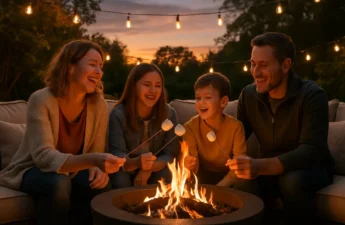
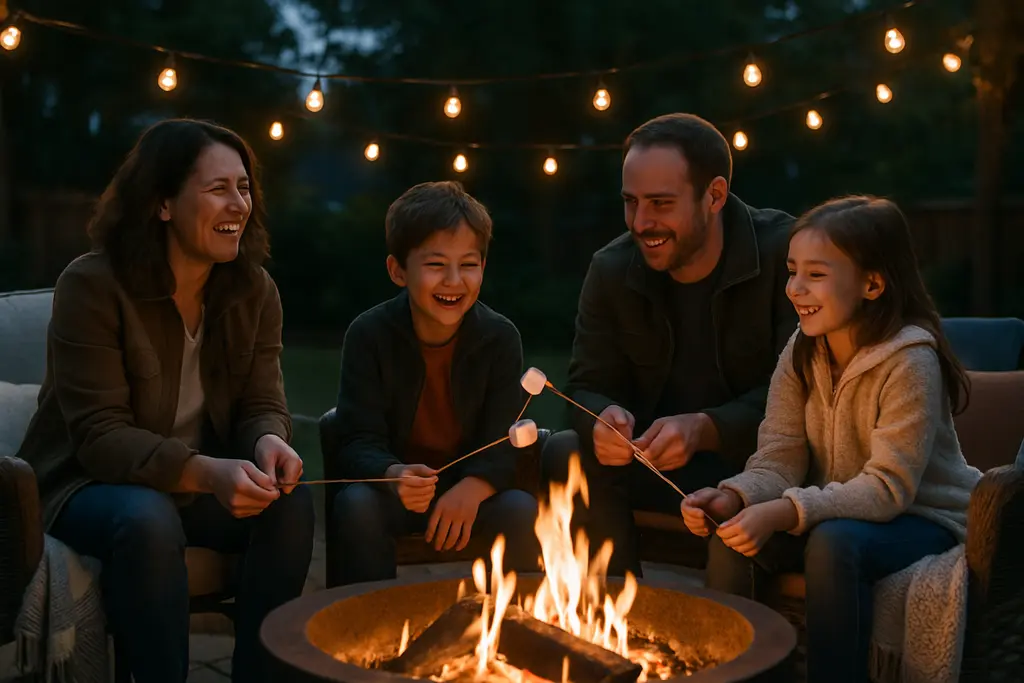
Lighting can make an outdoor area more usable after sunset, but it needs restraint. Bright, poorly aimed fixtures can create glare and dark pockets at the same time. A safer plan usually separates task lighting, pathway lighting, and softer seating-area light. Homeowners should avoid treating one overhead fixture as the answer for the whole patio.
Low-voltage landscape lighting may be part of a homeowner-managed project if local rules and product instructions allow it, but line-voltage electrical work should be handled by a qualified electrician. The same caution applies to outlets, hardwired fans, and any lighting connected near wet locations. Outdoor comfort should not come at the cost of improvised wiring.
Small Surfaces Make Seating Work Better
The Houzz finding that 55% of outdoor lounge areas include a coffee or side table is a practical detail worth taking seriously. Tables reduce the need to place drinks, candles, phones, plates, or small tools on the ground, where they can become trip hazards or get damaged. They also make a space feel ready for short daily use, not only planned gatherings.
Shade deserves the same planning. Umbrellas, shade sails, covered patios, and pergolas all carry different maintenance and installation demands. Homeowners should be cautious with anything that requires structural anchoring, wind resistance, or attachment to the home. If a shade structure connects to the building or changes drainage patterns, a qualified contractor should review the plan.
Multi-Zone Plans Keep Patios From Feeling Crowded
Use Zones To Separate Heat, Movement, And Rest
Outdoor areas often fail because every activity gets pushed into one spot. A grill sits too close to the seating. A dining chair blocks the path to the back door. A planter looks attractive until it narrows the only safe route across the deck. Multi-zone planning helps solve this by separating lounging, dining, cooking, gardening, and quiet retreat areas.
Houzz’s professional trend report found that making spaces more accommodating was cited by 25% of homeowners as a primary reason for outdoor renovations in 2026, up from 22% in 2024, while resale-driven motivation dropped to 15% from 18%. The same report noted that 55% of renovating homeowners included dining areas and 48% added outdoor cooking zones Houzz outdoor trends report. Those figures support a practical point: many people are planning for use, not just appearance.
Micro-Zoning Helps Smaller Spaces
Small patios can still benefit from zoning, but the zones may be implied rather than built with walls or major level changes. A bistro table near the door, a compact bench along one side, and planters at the perimeter can suggest separate uses without crowding the middle. Folding or stackable furniture may help renters or homeowners who need flexibility.
The caution is scale. Too many features can make a small patio harder to use and harder to maintain. A compact area generally performs better when it has one main purpose and one secondary purpose. For example, a reading chair with a small table can also serve morning coffee. A two-person dining setup can also support laptop work in mild weather. The goal is not to copy a large backyard on a smaller footprint.
Materials And Project Boundaries Matter

Choose Materials For Maintenance, Not Just Mood
Warmer tones, natural textures, and earthy colors are widely discussed in recent design coverage, but homeowners should filter every finish through upkeep. Wood, stone, woven materials, composite decking, outdoor fabrics, and metal furniture can all work, yet each has different exposure, cleaning, fading, heat, and storage considerations. A chair that looks refined indoors may not be suited to rain, sun, pollen, or regular temperature swings.
Durability also affects safety. Loose rugs, unstable side tables, slick surfaces, and lightweight umbrellas can create problems in wind or wet weather. Before buying, homeowners should check manufacturer instructions for outdoor rating, cleaning, anchoring, and storage. When planning an upgrade, a visit to a site like High Pro Tools can offer insights into essential tools, ensuring choices align with the task at hand and the user’s experience level.
Know When To Bring In A Professional
Some outdoor upgrades are reasonable for careful DIY work, such as arranging furniture, adding planters, or selecting freestanding tables. Other work should be treated with caution. Gas lines, permanent electrical service, structural shade additions, major grading, retaining walls, built-in cooking stations, and drainage changes can affect safety and the home itself. Those projects call for qualified professionals and, where required, local permits.
Cost recovery should also be viewed carefully. The research supplied for this topic shows a shift toward comfort and accommodation rather than resale as the leading motivation. That does not mean outdoor improvements lack value. It means homeowners should avoid assuming that every feature will pay for itself at sale. A safer planning question is whether the project supports daily use, fits the home, and can be maintained without becoming a burden.
Outdoor Living Spaces For Everyday Comfort
The best outdoor living spaces are not built around a single trend image. They are built around seating that people actually use, lighting that supports safe movement, shade that responds to climate, and zones that keep cooking, dining, and resting from colliding. Recent data supports the same direction: homeowners are investing in comfort, accommodation, and flexible use.
For a homeowner planning a modest patio refresh or a larger backyard renovation, the smart sequence is simple: define the main use, check the safety boundaries, size the furniture before construction decisions are final, and hire licensed help for higher-risk work. That approach keeps design inspiration grounded in the way people live at home every week.