Outdoor comfort spaces are no longer being planned as occasional-use patios with a table and two chairs. Based on 2026 Houzz outdoor research, homeowners are placing more weight on everyday comfort, flexible seating, dining, quiet retreats and practical systems that make exterior areas easier to use. That does not mean every yard needs a full outdoor kitchen or a major build-out. The stronger design lesson is simpler: plan outdoor areas as working parts of the home, then set firm safety and maintenance limits before adding features.
For homeowners and renters, the best project scope depends on what the space needs to do most often. A balcony used for morning coffee requires a different plan than a covered patio that hosts meals, reading and light gardening. The data supports interest in multi-use layouts, but it does not remove the need for careful budgeting, weather planning, permits where required and qualified help for electrical, gas, plumbing or structural work.
Why Outdoor Comfort Spaces Are Becoming Everyday Rooms
The 2026 U.S. Houzz Outdoor Trends Study surveyed 1,191 U.S. homeowners between April 25 and May 6, 2026. It found that 83% of outdoor renovation projects included lounge or seating areas, while 71% included sofas or lounge chairs, according to the Houzz outdoor study. Those figures point to a practical shift: many owners want outdoor areas that support sitting, talking and resting, not just a narrow entertainment function.
Outdoor Comfort Spaces Start With Seating
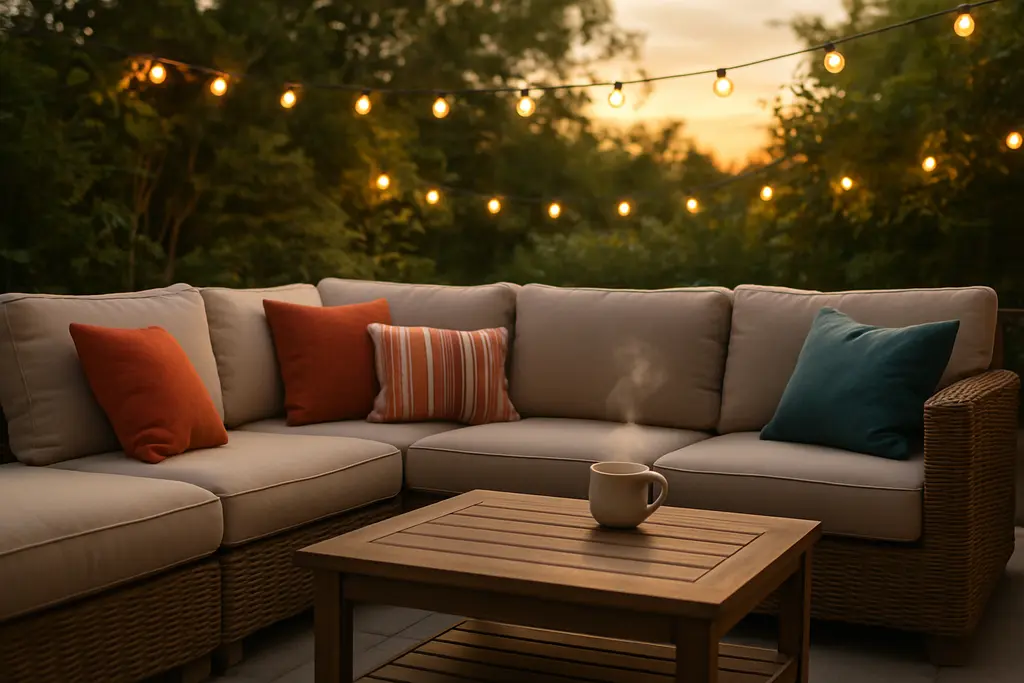
Seating should be treated as the anchor, not an accessory. A sofa, lounge chair or bench only works if people can move around it safely, set down a drink and avoid sitting in harsh sun for the entire afternoon. In a compact yard, one flexible seating group may do more than several small pieces scattered around the perimeter. In a larger yard, two seating zones can separate active conversation from quieter reading without forcing a full remodel.
Comfort should also be measured by use over time. Cushions need storage or weather protection. Tables need stable surfaces. Rugs and mats should not create trip edges. If the furniture will be moved often, weight and grip matter. A piece that looks attractive but is difficult to shift may be a poor fit for a multi-purpose plan.
Comfort Is Outpacing Resale Motivation
Houzz’s professional trend discussion reported that 25% of homeowners were motivated by making outdoor spaces more accommodating, up from about 22% in 2024, while 15% renovated for resale value, down from about 18% in 2024, according to Houzz Pro trend analysis. That difference matters. A project planned mainly for daily use should be judged by function, maintenance and safety, not by a presumed sale benefit.
Homeowners comparing design choices with broader housing context can also gain insights by visiting the related real estate network at Jimmy Guthrie Real Estate. It’s essential to keep project decisions grounded in their own site conditions and budget.
Plan Zones That Share The Same Footprint
The same Houzz research found that outdoor renovations often included several functions: dining areas in 55% of projects, quiet retreats or reading areas in 53%, gardening areas in 49% and outdoor cooking areas in 48%. These numbers support a multi-purpose approach, but they should not be read as a checklist for every home. A small patio may support dining and reading with the same furniture. A larger yard may separate cooking, lounging and gardening to control smoke, traffic and clutter.
Use Zones Without Overbuilding
Planning outdoor comfort spaces as multi-purpose rooms starts with honest traffic mapping. Where do people enter from the house? Where will they carry food? Where does the sun hit in late afternoon? Where will children, pets or guests pass through? These questions help prevent a common mistake: filling the best walking path with furniture.
A zone does not always need a wall, pergola or built structure. A change in furniture orientation, container plants, an outdoor rug rated for exterior use or a pair of chairs facing away from the dining table can create a separate function. For a related planning angle, this site’s article on multi-use outdoor planning discusses similar decisions around seating, shade, lighting and professional help.
Keep Cooking And Quiet Areas Compatible
Outdoor cooking can add value to daily routines if it is placed carefully, but it can also create heat, smoke and congestion. A grill or cooking area should not crowd the main seating path or sit too close to combustible materials. Gas, electrical and built-in appliance work should be handled by qualified professionals and inspected where local rules require it. Renters should also check lease rules before adding any heat-producing equipment.
Quiet areas need different planning. A reading chair may require shade, softer light and distance from cooking heat. A small gardening area needs access to water and a surface that can tolerate soil and plant debris. Combining these functions is possible, but only if each use has enough space to operate without creating hazards.
Safety And Services Before Style
Lighting, shade, water access and power are often less visible than furniture, yet they determine whether an outdoor area is comfortable after the first week. Poor lighting can make steps and edges harder to see. Extension cords across walking routes can create trip risks. A shade feature that is not designed for wind exposure may become unsafe. These are planning issues, not finishing touches.
Lighting Should Define Movement
Start with paths, steps, doors and cooking areas before decorative effects. Low glare is usually more useful than brightness alone. If lighting requires new wiring, exterior outlets or fixture installation, hire a qualified electrician rather than treating outdoor power as a casual DIY task. Outdoor electrical work faces moisture, heat and wear, and local requirements can vary.
Shade Needs A Real Attachment Plan
Umbrellas, sails, pergolas and covered patios each carry different demands. Freestanding pieces need stable bases. Attached structures may affect the building envelope and should be reviewed by a professional. Even a simple shade plan should account for wind, drainage and furniture placement. The goal is not to create a resort setting; it is to reduce heat exposure and make the area usable for more parts of the day.
Materials And Maintenance For Daily Use
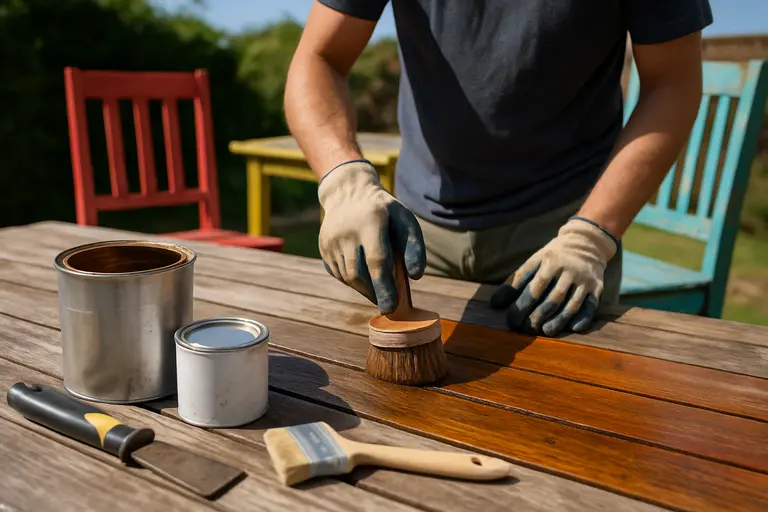
Multi-purpose outdoor areas tend to wear faster than spaces used only for occasional gatherings. Furniture may be moved often. Dining creates spills. Gardening creates dirt and moisture. Reading zones collect cushions, throws and side tables. Before buying, confirm that fabrics, frames, rugs and storage pieces are rated for outdoor conditions and match the exposure of the specific site.
Maintenance should be part of the design decision. If cushions need to be stored after every use, there should be a nearby dry place for them. If planters are heavy, place them before finalizing circulation. If a dining table sits under trees, expect more cleaning. These details may sound ordinary, but they often decide whether a patio is used daily or avoided because setup feels like work.
Durability also affects safety. Loose pavers, unstable furniture, slick surfaces and cluttered storage can turn a comfortable plan into a risk. Homeowners should review surfaces after storms, seasonal changes and heavy use. Renters can often improve comfort with movable furniture, containers and lighting that does not alter building systems, but they should avoid any installation that conflicts with lease terms or property rules.
Outdoor Comfort Spaces Planning Checks
Before committing to a project, define the primary use, the secondary use and the use that sounds appealing but may rarely happen. A family that eats outside twice a week may benefit more from a durable dining setup than from a rarely used lounge bed. A homeowner who reads outside every morning may need shade and a quiet chair before considering a cooking station.
- Measure clear walking paths before purchasing furniture.
- Plan shade based on the time of day the space is actually used.
- Keep heat, flame, gas and electrical work within professional boundaries.
- Choose movable pieces only if they can be lifted or shifted safely.
- Include storage for cushions, gardening tools and dining items.
- Review local rules before adding structures, utilities or built-in features.
Well-planned outdoor comfort spaces are practical first. The 2026 Houzz data supports a clear preference for lounge seating, dining, quiet retreat and cooking functions, but the safest design response is selective. Choose the uses that fit the home, climate, maintenance tolerance and budget. A smaller, well-organized patio can serve daily life better than a larger project filled with features that are difficult to maintain or unsafe to install without professional help.