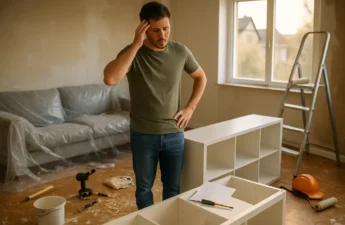
Knowing when to hire a pro is one of the most practical safety decisions a homeowner can make. DIY work can be satisfying, and smart-home devices have made many upgrades feel more approachable, but the line between a reasonable weekend task and a risky project is not always obvious. As Renshaw Whitlock, I tend to view home projects through two filters: does the work improve daily function, and could a mistake create injury, hidden damage or code trouble?
The safer answer often depends less on confidence and more on the system involved. Painting a room, assembling furniture or setting up a plug-in sensor is not the same as altering wiring, changing plumbing, modifying HVAC equipment or opening a wall. Once a project touches life-safety systems, concealed utilities or structural support, the decision should shift from “Can I learn this?” to “What happens if I get this wrong?”
When To Hire A Pro Before Risk Rises
The safest time to hire a pro is before demolition, buying parts or assuming a permit is optional. Research notes citing Statista reported that about 41% of U.S. homeowners who renovated in early 2026 used a construction professional, and electricians were hired in 41% of projects requiring specialist, non-cosmetic work Statista renovation data. That pattern is telling: homeowners may handle visible finish work themselves, but they often bring in licensed help once the work affects systems behind walls or inside panels.
When To Hire A Pro For Electrical And Structural Work
Electrical and structural work sit at the top of the caution list. The research notes identify major electrical rewiring, gas line work, plumbing behind walls and roofing as categories that often demand licensed contractors under local or model code standards. A homeowner does not need to diagnose the full technical scope alone. If a project requires removing a wall, changing a roof line, extending circuits, moving mechanical equipment or altering load paths, the safer plan is to stop and ask the local building department or a qualified professional what the project requires.
Smart-home projects can blur this boundary. A plug-in hub or battery-powered sensor may be simple to configure, while a hardwired doorbell, smart switch, thermostat or leak shutoff can involve existing electrical, HVAC or plumbing systems. The practical benefit of connected devices is real only if the installation does not create a new hazard. If a device requires working inside an electrical box, controlling HVAC wiring or cutting into a water line, the risk profile changes.
Permits Are A Safety Signal, Not Paperwork
Permits are often viewed as delays, but they can also reveal when a project has moved beyond casual DIY. Portland, Oregon’s residential plumbing guidance says permits and licensed contractors are required for replacing water heaters, installing backflow devices, moving pipes or modifying plumbing fixtures Portland plumbing permits. That local example should not be treated as a national rule, but it shows how quickly ordinary-sounding work can trigger formal requirements.
Before starting any plumbing, electrical, HVAC or structural project, check your local permitting office rather than relying on a video or product listing. Rules vary by place, property type and project scope. If a permit or inspection is required, that is a strong reason to bring in qualified help or at least get professional input before work begins.
How To Sort DIY Tasks From Contractor Tasks
A cautious DIY decision starts with the consequences of failure. A paint mistake is usually visible and reversible. A leaking pipe inside a wall, undersized wiring, weakened framing member or poorly vented appliance can stay hidden until damage grows. That difference should drive the planning process.
- Stay DIY-friendly: cosmetic repairs, basic decorating, organizing, device setup that does not alter wiring or plumbing, and maintenance tasks clearly allowed by the product instructions.
- Pause and verify: projects involving walls, ceilings, floors, water lines, electrical boxes, HVAC controls, gas equipment, roofing or ladders.
- Bring in qualified help: work that requires permits, inspections, licensed trades, structural judgment or tools you do not know how to use safely.
Cost should be part of the decision, but not the only factor. A cheaper first attempt can become more expensive if it has to be removed and redone. The research notes point to plumbing, electrical and HVAC errors as common examples where a failed DIY effort may cost more than hiring correctly at the start. Even without assigning a universal dollar amount, the lesson is practical: compare the cost of professional work with the cost of repair, delay, damaged finishes and lost use of the room.
Smart-Home Projects Need Clear Boundaries
Smart-home upgrades deserve a separate safety check because they often look simple on the shelf. A camera, speaker, smart plug or battery sensor may be a low-risk addition if it follows the manufacturer’s setup path. The risk rises when the device becomes part of the home’s electrical, water or HVAC infrastructure.
When To Hire A Pro For Smart Home Work
You should hire a pro if a smart-home upgrade requires hardwiring, panel work, new circuits, changes to heating and cooling controls, water shutoff installation or any task that would normally require a licensed trade. The device may be marketed as convenient, but the installation environment matters more than the app interface.
In planning for remote property care, readers interested in lifestyle maintenance may also benefit from exploring choices at Weekender Villas as it provides insights into managing second homes effectively.
From a technology standpoint, the best smart-home work is boring in the right way: reliable power, clean device placement, clear labeling, secure account setup and no surprise damage behind the wall. The value is not in forcing every system onto an app. The value is in using connected tools where they reduce friction without adding avoidable risk.
Questions To Ask Before You Start

A homeowner can make a better DIY-or-pro decision by writing down the project scope before buying materials. This step reduces guesswork and makes it easier to spot hidden risk. It also helps when requesting estimates because a contractor can respond to a clearer description of the work.
- Does the project touch electrical, plumbing, HVAC, gas, roofing or structural components?
- Will any part of the work be hidden inside a wall, ceiling, floor or cabinet?
- Does the local building department require a permit or inspection?
- Do I own the right tools, and do I know how to use them safely?
- If this fails, could it cause injury, water damage, fire risk or code problems?
- Would a professional warranty, licensed trade or inspection reduce the risk enough to justify the cost?
If several answers raise concern, hire a pro before the project expands. That does not mean the homeowner has no role. Many owners can still handle planning, product research, finish selections, room prep, documentation and routine maintenance. Hybrid work can be sensible when the homeowner keeps lower-risk tasks and leaves licensed or hazardous work to qualified trades.
Safe DIY Decisions For Home Projects
The practical goal is not to discourage DIY. It is to match the work to the risk. Homeowners can save time and avoid damage by recognizing the point where enthusiasm, online tutorials and basic tools are no longer enough. If a project affects safety systems, requires a permit, hides work behind finished surfaces or depends on trade judgment, the safer call is to hire a pro.
For smart-home integration, this caution is especially useful. Connected devices should make a home easier to monitor and manage, not introduce wiring mistakes, water leaks or HVAC problems. A careful homeowner can still enjoy useful technology, better comfort and improved maintenance awareness by choosing projects that fit their skill level and calling qualified help for the work that carries higher stakes.