Outdoor living design is no longer just a resale-minded upgrade for many homeowners. The stronger pattern in 2026 is personal use: a place to sit after work, eat outside when the weather allows, garden in a manageable way, or create a quiet corner that does not require a major addition. That shift matters because household budgets remain under pressure, and outdoor projects can expand quickly if every wish becomes a built feature.
The more useful approach is selective planning. A smaller patio with dependable shade, safe circulation, and furniture that fits the space may serve a family better than a large project that strains maintenance time. Recent homeowner data supports that more grounded direction, especially as people weigh enjoyment against cost, upkeep, and professional help.
Why Outdoor Living Design Is Turning Inward
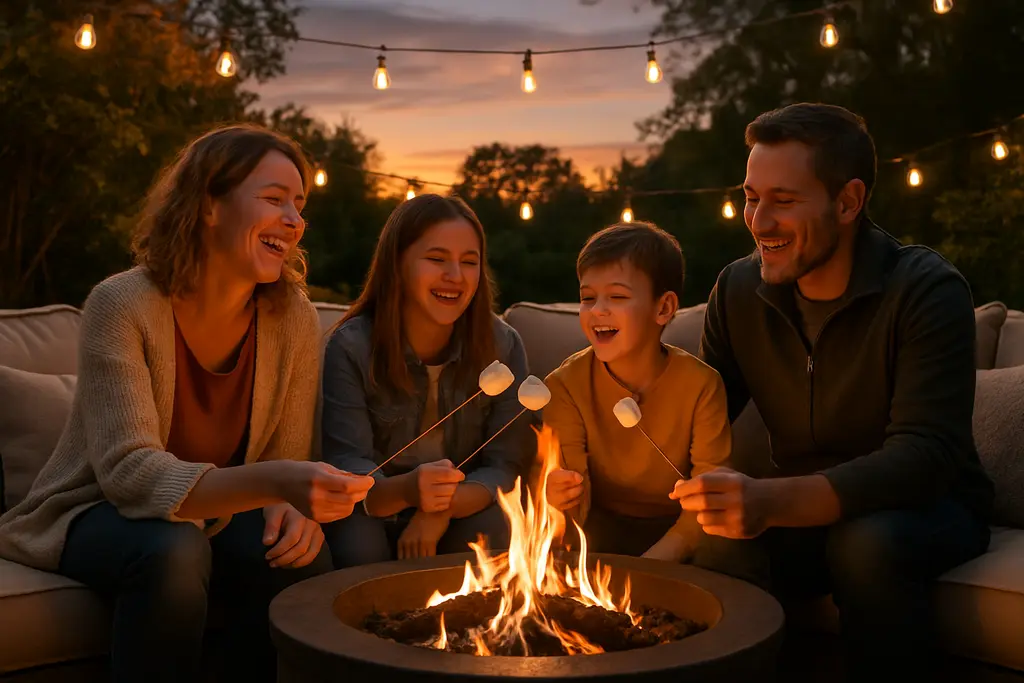
The clearest signal from 2026 outdoor renovation research is that comfort is beating showmanship. In the 2026 U.S. Houzz Outdoor Trends Study, based on about 1,191 homeowners, 83% of outdoor renovators included a lounge or seating area, 55% added a dining zone, 53% created quiet retreats, 49% added gardening areas, and 48% included outdoor cooking areas, according to Houzz outdoor trends. Those choices point toward daily use rather than occasional display.
Outdoor Living Design Starts With Use, Not Resale
The same Houzz research found that 25% of renovating homeowners said they were improving outdoor areas to make them more accommodating, up from 22% in 2024. Renovating for resale value fell to 15%, down from 18% in 2024. That does not mean resale is irrelevant. It does suggest that homeowners are less likely to justify every decision through a future sale and more likely to ask whether the space supports life now.
That is a practical reframing. If a household rarely hosts large dinners, a full outdoor dining setup may not be the first priority. If two people use the patio most evenings, comfortable seating, glare control, and a stable walking surface may matter more. The better case study is not the biggest yard; it is the one where the owner can name exactly how the space will be used on a normal Tuesday.
What The Data Suggests About Priorities
A practical outdoor living design plan usually starts with a primary zone, then adds support features only where they solve a clear problem. Seating is the common anchor because it can serve reading, conversation, morning coffee, or a casual meal. Dining works best where it is close enough to the kitchen to avoid repeated long carries. Quiet retreats need separation from noise, but not so much isolation that they feel unused or unsafe after dark.
Professional help is also becoming more common. Houzz reported that 71% of homeowners hired at least one professional for outdoor remodeling work in 2026, up from 65% in 2024. That rise makes sense where grading, drainage, retaining features, hardwired lighting, overhead structures, gas lines, or built-in cooking are involved. Those are not good areas for guesswork. Homeowners can still control scope, but qualified pros should handle work where safety, utilities, or structure are part of the project.
Planning Zones Without Overbuilding
Outdoor projects often become expensive when every activity receives its own permanent area. A more restrained plan uses flexible zones. One paved or decked area can support seating most days and dining when guests visit. A bench can hold cushions, tools, or children’s outdoor items. A modest planting bed can create privacy while also reducing the amount of high-upkeep lawn.
Seating, Dining And Quiet Corners
For homeowners dealing with cost pressure, the sequence matters. Start with the place people will sit most often. Check sun exposure, wind, privacy, and the view from inside the home. Then decide whether dining belongs in the same zone or nearby. If a quiet retreat is part of the plan, it may be as simple as two chairs near planting, a small table, and enough shade to make the space usable.
This is where restraint can be inspiring. A homeowner who replaces a rarely used open area with a defined seating nook may gain more day-to-day value than one who installs several features without a clear routine. For readers interested in exploring related ideas, Weekender Villas provides insights on creating outdoor spaces that enhance relaxation without unnecessary expansion, offering a valuable perspective.
Small-Space Moves That Keep Costs In Check
Small patios, balconies, and rental-friendly yards need a different lens. The Associated Press reported that limited outdoor spaces can work better with foldable furniture, multi-use benches, renter-friendly umbrellas, or retractable awnings, based on small-space outdoor ideas. These choices are not just space savers. They reduce commitment. A folding table can be removed when circulation is tight. An umbrella can move with the sun. A bench can store items that would otherwise clutter the area.
Outdoor living design in a compact space should leave room for movement. Crowding a balcony with a dining set, planter boxes, and storage may look appealing in a photo but feel frustrating in use. Measure the walking path, door swing, and chair pullout before buying furniture. Renters should also check lease rules before attaching shade hardware, planters, lights, or screens to walls, railings, or ceilings.
For broader visual reference from a related home-and-stay network, Weekender Villas can offer ideas about how outdoor areas support rest without assuming every homeowner needs a large buildout.
Maintenance, Planting And Safer Project Boundaries

Planting choices are another sign that homeowners are trying to reduce upkeep. Houzz reported that 73% of outdoor renovators chose low-maintenance plants, 55% chose native species, 56% chose pollinator-friendly species, and 49% chose drought-resistant plants. The share replacing original lawn with natural grass dropped to 63%, down 9 percentage points since 2024. Those figures do not prove one planting approach is best for every region, but they do show a clear preference for yards that demand less routine attention.
Lower-Upkeep Choices Still Need Planning
Low-maintenance does not mean no maintenance. Plants need a suitable location, appropriate water during establishment, and enough spacing to mature without blocking paths or rubbing against siding. Native or drought-resistant selections should be chosen for the specific local climate and soil, not just because a label sounds efficient. A nursery professional or qualified outdoor designer can help homeowners avoid expensive replanting if site conditions are uncertain.
Hard surfaces also need caution. Smooth paving may become slippery. Loose gravel can shift underfoot. Steps, edges, and changes in level should be easy to see. Outdoor lighting should support safe movement without creating glare into neighboring properties. If lighting requires new wiring, homeowners should hire a qualified electrical professional rather than improvising with unsafe connections.
Projects Better Left To Qualified Pros
Some outdoor features carry more risk than they appear to in inspiration photos. Pergolas, gazebos, cabanas, retaining walls, built-in grills, fire features, gas lines, and hardwired electrical work need careful design and installation. Local rules may affect what can be built and how it must be installed, so homeowners should contact the local building office or a qualified contractor before work begins.
That boundary does not reduce creativity. It protects the investment. Homeowners can still choose the mood, seating arrangement, plant palette, and level of maintenance they want. The professional’s role is to help make sure heavy, powered, structural, or fire-related parts are handled safely.
Outdoor Living Design For Personal Enjoyment
The strongest lesson from 2026 outdoor trends is not that every home needs more features. It is that outdoor areas are being judged by how well they support personal enjoyment under real budget and maintenance limits. A good plan may include one comfortable seating area, a modest dining surface, shade, safe lighting, and planting that fits the owner’s capacity for care.
Treat outdoor living design as a series of choices rather than a single large purchase. Define the most frequent use, set safety boundaries, decide what can remain flexible, and bring in qualified help where the work affects structure, utilities, drainage, or fire safety. That approach keeps the project grounded while still giving the home a more useful place to rest, gather, and spend time outside.