Quality Tool Sets are getting a harder look from homeowners because the decision is no longer just about having a full drawer in the garage. Recent homeowner data points to a more selective buying pattern, with price, quality and durability carrying the most weight. That fits what I see in practical home design work: tools need to support real repairs, finish touch-ups and small improvements without encouraging owners to take on work that belongs with a qualified trade professional.
Why Quality Tool Sets Need A Budget Test
Recent Reports Show Homeowners Are Buying Less Often
The Home Improvement Research Institute reported that Tools & Accessories purchase frequency fell to 28% in Q1 2026, down from 36% in Q1 2025. The same report found that price and quality remained the top product-selection priorities, with durability consistently close behind, according to HIRI homeowner data. That combination matters because a lower purchase rate does not necessarily mean homeowners have stopped doing projects. It may mean they are screening purchases more carefully before spending.
For Quality Tool Sets, that budget test should start with the work the homeowner actually does. A renter who assembles furniture, hangs lightweight decor and tightens cabinet hardware does not need the same kit as an owner maintaining exterior trim, deck fasteners and aging door hardware. In both cases, the better purchase is usually the set that covers repeat tasks safely, stores cleanly and avoids weak pieces that will be replaced after limited use.
Price Alone Is A Weak Filter
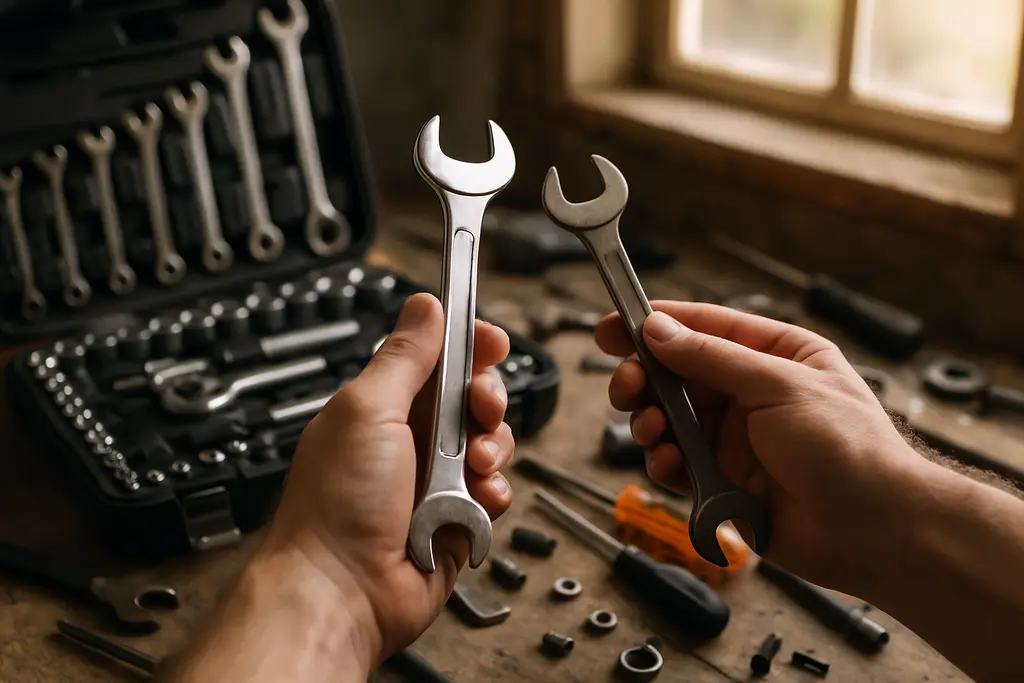
A low price can be useful, but only after the contents make sense. A large piece count may include many bits, sockets or accessories that inflate the number without improving day-to-day function. Homeowners should compare the core pieces first: hammer, tape measure, screwdrivers, pliers, adjustable wrench, hex keys, utility knife, level and a ratchet or socket selection if mechanical fasteners are common in the home. If those basics feel undersized, poorly fitted or uncomfortable in the hand, the rest of the kit is less persuasive.
Materials and finishes deserve attention here. Homeowners do not need to become tool engineers, but they should check whether metal parts have clean edges, whether moving joints open without grinding, whether handles give a secure grip and whether the case holds pieces firmly. A shiny finish is not proof of durability. A well-fitted hinge, clear size markings and a grip that remains steady with normal hand pressure are more useful buying signals.
Where DIY Savings Stop Making Sense
Quality Tool Sets And The Buy-Or-Hire Line
Recent project-spending data gives useful context. The Harvard Joint Center for Housing Studies reported that in 2023 the typical DIY project cost was $2,600, while the average professionally installed project cost $7,800 in its report on Improving America’s Housing. Those figures do not mean DIY is always cheaper in a meaningful way. They show that DIY and professional work often sit in different project categories, risk levels and scopes.
HIRI’s Q1 2026 data also reported that 39% of homeowners said they do projects purely by DIY, 46% use a mix of DIY and contractor help, and 15% hire a contractor outright. The main reasons for hiring were technical expertise at 61%, work quality at 54%, then guaranteed workmanship and access to specialized tools or equipment at 43% each. That is a practical warning for tool buyers. A sensible plan treats Quality Tool Sets as support for appropriate household tasks, not as permission to attempt electrical, gas, plumbing, roofing, structural or other high-risk work without proper licensing, permits and experience.
Finish Work Is A Good Test Case
Many homeowners can use a basic kit for non-structural finish work: tightening loose hardware, measuring for shelves, replacing a cabinet pull or assembling flat-pack storage. Even there, safety limits matter. If a wall may contain wiring or plumbing, if a fixture is heavy, or if a repair affects stairs, guardrails, exterior water control or fire safety, the right move is to pause and bring in qualified help. Good tools reduce frustration; they do not remove project risk.
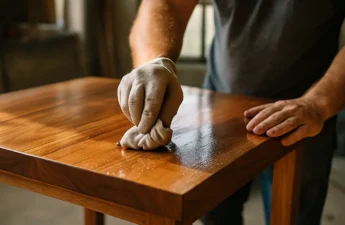
For materials and finishes, tool choice can affect the final appearance. A poorly made screwdriver can cam out and damage visible screw heads. A weak utility knife can wander and mar a finished surface. A tape measure with unclear markings can lead to cuts that waste trim or shelving material. Those are small failures, but they add cost and can make a home repair look less controlled than it should.
How To Judge A Set Before Buying

Start With The Core, Then Check The Case
The most useful tool set is not always the largest one. Homeowners should judge whether the kit supports repeated, ordinary tasks and whether every essential piece can be removed, used and returned without fighting the storage case. A molded case that grips tools too tightly may discourage proper storage. A soft case with weak pockets can scatter sharp or heavy items. Either problem shortens the working life of the set because pieces go missing or get damaged.
- Confirm the set includes full-size essentials rather than novelty-scale tools.
- Check grip comfort, joint movement, ratchet action and readable markings before purchase where possible.
- Compare warranty terms and replacement availability, not just the number of pieces.
- Avoid buying specialized tools for one risky project if a contractor would be safer and more accountable.
- Plan storage so sharp blades, bits and heavy tools are secured away from children and pets.
Homeowners comparing tool categories can also review broader buying discussions at the related site High Pro Tools, then bring that information back to the specific needs of their own home. The key is to avoid treating any buying list as universal. A compact apartment, a 1980s suburban house and a rural property with outbuildings place very different demands on tools.
Warranty And Replacement Access Matter
Durability is partly about the tool and partly about support after purchase. A warranty is not a reason to accept poor construction, but it can change the value of a set if commonly used pieces can be replaced without buying the entire kit again. Homeowners should read the warranty language, note whether proof of purchase is required and keep receipts in a project folder. That habit is less exciting than opening a new kit, but it protects the investment.
There is also a storage cost to excess. Large kits take shelf space, add weight and can slow down simple repairs if the layout is confusing. For many households, a smaller set with better core pieces, then a few carefully chosen add-ons, will be easier to use than a crowded kit bought because the piece count looked impressive. For related planning, this site’s discussion of quality before discounts pairs well with a slower, needs-based tool purchase.
Quality Tool Sets For Safer Home Projects
Match The Tool Set To The Project Profile
Quality Tool Sets should be evaluated the same way a sensible homeowner evaluates flooring, paint or cabinet hardware: by fitness for use, expected wear and the cost of a poor choice. A bargain set that damages finishes, slips in the hand or omits essential basics can be more expensive than it first appears. A higher-priced set can also be wasteful if half the pieces never leave the case.
The strongest approach is measured and safety-conscious. Identify the repairs and finish tasks that happen more than once. Buy tools that feel stable, store securely and have clear replacement or warranty support. Keep the kit away from work that requires licensed skill, special equipment or code review. That type of buying will not make every project easy, but it will help homeowners spend with clearer judgment and reduce avoidable damage around the house.