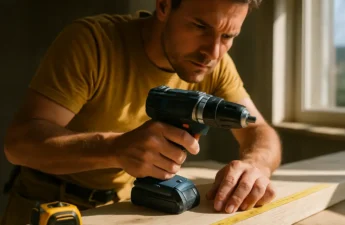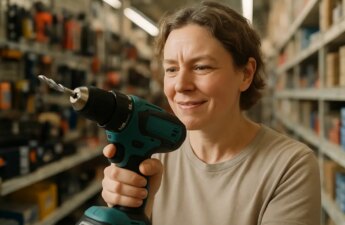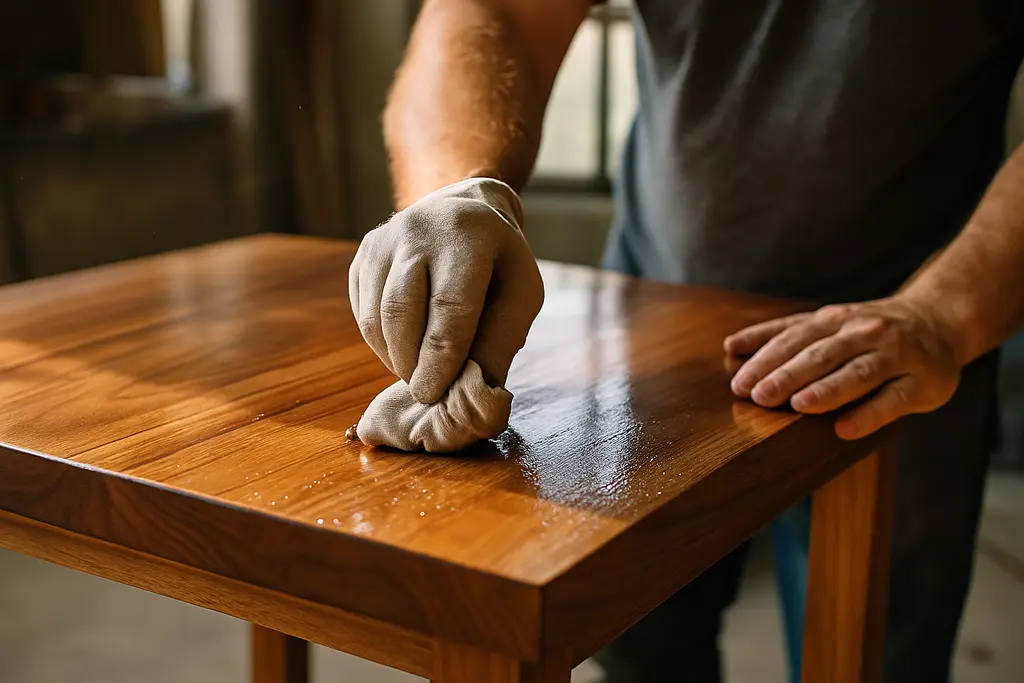
For homeowners planning repairs or remodels after October 15, 2026, power tool finishes deserve more attention than color, branding or shelf appeal. The finish on a drill body, saw shoe, chuck, bit or cutting edge can influence corrosion resistance, wear, outdoor durability and long-term replacement cost. It will not make an unsafe tool safe, and it will not turn a light-duty model into a contractor-grade tool, but it can help buyers separate useful specifications from marketing language.
The practical issue is that materials and coatings are tied to cost pressure. The U.S. aluminum anodizing market was valued at US$1.85 billion in 2025 and was expected to reach US$1.95 billion in 2026, with projected 5.5% annual growth through 2035, according to the U.S. aluminum anodizing market report. For tool buyers, that does not prove every anodized part is worth a premium, but it does support asking what finish is used, where it is used and whether it fits the way the tool will be stored and used.
Why Power Tool Finishes Deserve More Attention
Power Tool Finishes And Real Jobsite Wear
Power tools often fail in ordinary ways before they fail in dramatic ways: a scratched base plate that drags across trim, a corroded chuck, a worn shoe on a circular saw or a bit coating that loses its edge faster than expected. Finish choices sit close to those everyday problems. Anodized aluminum, powder-coated metal, plated parts and coated cutting edges all serve different purposes. A buyer does not need a laboratory background, but should read the specification sheet closely enough to know whether a finish is for appearance, corrosion resistance, wear resistance or outdoor exposure.
That distinction matters in remodeling, where a tool may move between garages, patios, job boxes and damp storage areas. A homeowner who uses a tool twice a month may care most about corrosion resistance and battery condition. A serious DIY user cutting metal, masonry accessories or non-ferrous materials may care more about edge coating and heat resistance. The same finish is not automatically best for every use.
Price Signals Are Mixed
Finish cost is not moving in one clean direction. U.S. Bureau of Labor Statistics producer price data for February 2026 showed a -1.2% pricing change for the electroplating, anodizing and metal coloring sector, NAICS 332813, in the February 2026 PPI detailed report. That single data point should be read cautiously, but it shows why buyers should avoid assuming that a higher tool price always reflects a better coating or finish. Brand position, battery platform, warranty, accessories and distribution all affect price.
For practical buying, compare materials and finishes only after the tool has passed the basic checks: correct tool category, adequate power for the task, available safety features, clear manual, accessible replacement parts and a warranty that matches expected use. If the project involves structural work, gas, electrical service, plumbing tie-ins or roof work, the safer decision is to hire a qualified professional rather than buying a more aggressive tool and learning under pressure.
Housing Materials, Coatings And Grip Surfaces
Anodized Aluminum And Powder Coat
Anodized aluminum is relevant where a tool or accessory uses aluminum housings, rails, shoes or guide components. Recent comparison guidance in the research notes distinguishes hard anodizing from powder coating: hard anodizing can give aluminum parts high surface hardness and wear resistance, while powder coating offers broader color options and stronger UV performance for outdoor applications. The same notes warn that powder coating adds more thickness, listed at 2 to 6 mils, which may affect tight tolerances.
That thickness point is especially practical. A thicker coating can be useful on a stand, casing or outdoor accessory, but less helpful where parts need precise movement. Buyers should look at where the finish is applied rather than treating the tool as one uniform object. A durable shoe or guide rail may matter more than a brightly coated shell. For readers comparing tool quality against discount pricing, the same caution applies to broader purchasing habits covered in quality-first tool buying.
Outdoor Storage Raises Finish Risk
Outdoor and garage storage changes the value of coatings. UV exposure, humidity and temperature swings can punish finishes that looked fine in a retail aisle. Powder coating may be attractive for outdoor stability, while hard anodized aluminum may be a better fit for wear surfaces. Neither choice excuses poor storage. Tools should be kept dry, batteries should be stored according to the manufacturer’s manual and damaged cords, cracked housings or loose guards should take a tool out of service.
Homeowners also need to separate tool finish from home finish. A tool that resists scratches may still damage cabinetry, flooring or finished trim if used with the wrong blade, worn pad or unstable work support. If a project includes expensive materials or difficult cuts, test cuts on scrap and a qualified installer may cost less than replacing finished material.
Cutting Edges And Wear Coatings
Steel Shifts And Tungsten Pressure
Materials pressure is visible in cutting accessories as well. The research notes describe May 2026 reports that surging tungsten prices, linked to supply constraints and export controls, pushed some U.S. drill bit makers toward steel-based materials in many products. The same notes report that tungsten can make up to 75% of the material in some oil-field drill bits, which helps explain why high-tungsten designs can face cost pressure.
For a homeowner, the lesson is not to chase the hardest-sounding material. It is to match the bit or blade to the work. Wood, light metal, masonry and tile all call for different accessories, and forcing the wrong bit can create heat, poor control and broken parts. Wear coatings can help, but they do not replace eye protection, dust control, clamping, guard use or reading the manual.
Diamond Coatings Are Specialized
Advanced coatings can be impressive, but context matters. A September 6, 2026 case study in the research notes described Ott + Heugel saw blades using Oerlikon Balzers BALDIA VARIA nanocrystalline diamond coating, with reported 7 to 8 times tool-life improvement when cutting gold or brass alloys. The same report tied the coating to narrower saw blades, material savings, fewer tool changes and lower energy costs.
That is useful evidence for specialized industrial cutting, not a promise that every homeowner needs diamond-coated accessories. For most remodelers, power tool finishes should be assessed by task frequency. A coated blade that lasts longer may make sense for repeated cuts in demanding material. For one small repair, a standard accessory from a reputable line may be the more practical purchase.
Buying Checks Before A Remodel Purchase
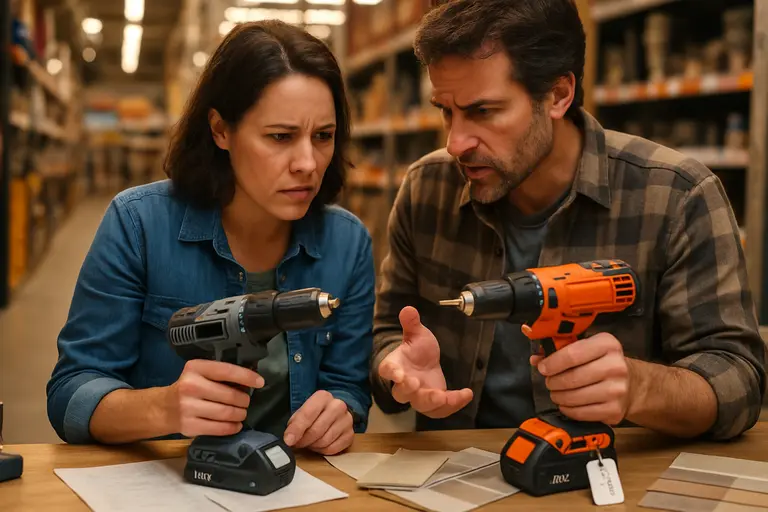
Questions To Ask At The Shelf
Before paying more for a finish claim, slow the purchase down. The most useful labels explain the material, the coating and the intended use. Vague claims such as “pro finish” or “premium coating” are weak unless the package identifies what is coated and why.
- Which parts are aluminum, steel, plated, anodized or powder coated?
- Is the finish meant for corrosion resistance, wear resistance, UV exposure or appearance?
- Could coating thickness affect fit, sliding movement or accessory compatibility?
- Are replacement blades, bits, shoes, guards or pads easy to find?
- Does the manual set storage limits for moisture, temperature or battery handling?
These questions are also useful when deciding whether to buy or rent. A homeowner installing one shelf system may not benefit from a premium coated accessory set. A homeowner building repeated outdoor projects may benefit from corrosion-resistant housings, better fastener bits and safer support equipment.
Where A Pro Still Belongs
Better coatings do not lower the risk of high-consequence work. Electrical circuits, gas lines, load-bearing walls, roof penetrations and major plumbing changes should be handled by licensed or otherwise qualified tradespeople under applicable local requirements. Tool buying should support safe project planning, not encourage a homeowner to take on work beyond training or permit limits. For broader property and project context within the same network, take a look at Jimmy Guthrie Real Estate LLC, although contractor bids and local code questions still need direct professional input.
Power Tool Finishes For 2026 Remodel Planning
Power tool finishes are best treated as one part of a larger buying decision. In 2026, the strongest signals point to continued interest in anodized aluminum, caution around finish pricing, pressure on tungsten-heavy designs and selective use of advanced coatings in specialized cutting. For homeowners, the practical path is to match finish claims to real use: corrosion resistance for damp storage, wear resistance for moving parts, UV stability for outdoor exposure and proven edge coatings for repeated cutting in demanding material.
A safer purchase starts with the project, not the display rack. Define the material being cut, the storage conditions, the number of expected uses and the point where a professional should take over. Then judge power tool finishes by documented function, not by color or claims that sound technical without saying much.