Market outlook for custom luxury homes in Central Texas
The luxury residential market in Central Texas continues to mature.
A growing class of buyers prioritizes enduring quality over square footage.
As economic indicators shift and costs stay elevated, custom homeowners reevaluate how they allocate capital.
This occurs during the design and construction phases.
In late 2026, mortgage rates remained a significant factor.
The Freddie Mac average hovered near 7.4%, prompting a strategic pivot.
Buyers no longer view their custom homes simply as lifestyle upgrades.
They are sophisticated financial assets requiring careful architectural planning to protect and enhance long-term equity for custom luxury home roi.
Maximizing custom luxury home roi requires balancing aesthetics with structural longevity and functional adaptability. When executing a ground-up build, or a major renovation, the choices that yield the highest returns are rarely superficial. Instead, the focus has shifted toward high-performance building envelopes, resilient material science, and integrated technology that anticipates future living standards. Additionally, by analyzing housing data and focusing on evidence-based design, homeowners can ensure their custom properties maintain a competitive edge. Moreover, this helps position homes in an increasingly selective secondary market.
Balancing High-End Aesthetics With Functional Durability
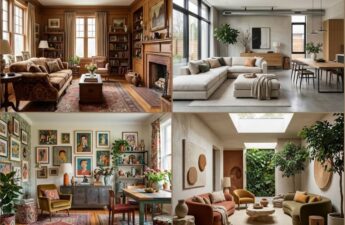
One of the most critical aspects of protecting a custom home’s value is the specification of interior materials. The modern luxury buyer expects flawless visual appeal, but they also demand surfaces that withstand the rigorous demands of daily life without requiring constant maintenance. This shift in preference is heavily influencing how architects and builders approach kitchens, bathrooms, and high-traffic corridors.
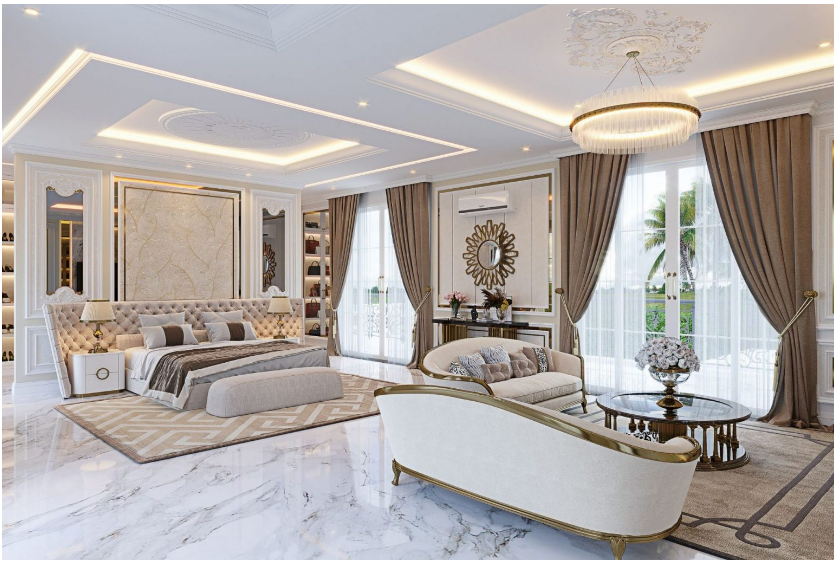
Natural marble, while historically considered the pinnacle of luxury, is increasingly being supplemented or replaced by advanced engineered surfaces in heavy-use zones. Materials like ultra-compact porcelain slabs and sintered stone offer the intricate veining of Calacatta gold without the severe vulnerability to acid etching and staining. These engineered surfaces represent a calculated investment; they eliminate the recurring costs of sealing and restoration while appealing to future buyers who prioritize low-maintenance living.
Similarly, wide-plank European white oak continues to dominate the luxury flooring sector, but the specification standards have tightened. High-end buyers now demand engineered profiles with thick wear layers—typically four to six millimeters—that can be refinished multiple times. This approach provides the structural stability required for the fluctuating humidity levels of Central Texas, preventing the cupping and crowning that often plague solid hardwood installations over time.
The Financial Impact of High-Performance Envelopes
Beyond interior finishes, the structural envelope of a custom home plays a disproportionate role in long-term valuation.
Additionally, Energy efficiency is no longer optional; it is a foundational requirement for modern residential architecture.
Buyers recognize utilities costs from heating and cooling large spaces, so thermal performance is crucial for appraisal.
These dynamics shape custom luxury home roi over the property life cycle.
Investing in a high-performance envelope begins with advanced fenestration.
However, standard double-pane windows are increasingly insufficient for the premium market.
Architects specify thermally broken aluminum frames with low-emissivity coatings and argon gas fills.
These glazing systems drastically reduce solar heat gain in Texas summers and still minimize heat loss in winter.
The result is lower reliance on mechanical HVAC and reduced operating costs for buyers considering carrying costs.
This aligns with a strong custom luxury home roi when optimizing long-term expenses.
Insulation strategies have also evolved far beyond standard fiberglass batts. The integration of closed-cell spray foam insulation in roof decks and exterior walls creates a continuous air barrier that eliminates drafts and prevents moisture intrusion. When combined with advanced HVAC systems featuring variable-speed compressors and dedicated dehumidification, these envelope upgrades create an indoor environment characterized by absolute thermal comfort and superior air quality.
| Fenestration Upgrade | Average U-Factor | Solar Heat Gain Coefficient (SHGC) | Long-Term Value Impact |
| Standard Double-Pane | 0.30 – 0.35 | 0.25 – 0.30 | Baseline standard |
| Thermally Broken Aluminum | 0.20 – 0.25 | 0.18 – 0.22 | High (Reduces HVAC load by up to 25%) |
| Triple-Glazed Low-E | 0.15 – 0.18 | 0.15 – 0.18 | Very High (Maximum thermal and acoustic control) |
Advancements in Outdoor Wellness Zones
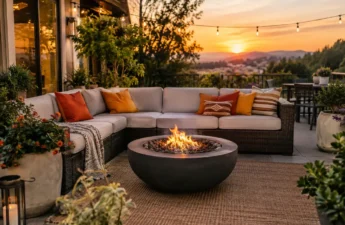
The concept of outdoor living has undergone a massive transformation over the past five years. What was once considered an accessory patio has now evolved into a critical extension of the home’s primary living space. As highlighted in recent case studies on high-ROI renovations, outdoor environments that function seamlessly alongside interior spaces are commanding massive premiums in the current market.
However, constructing a high-return outdoor zone requires careful architectural integration. The most successful designs incorporate permanent shade structures, sophisticated climate control, and functional zoning. Retractable louvered pergolas, commercial-grade misting systems, and integrated radiant heating transform a seasonal patio into a year-round wellness zone. This level of environmental control is essential in Central Texas, where extreme summer temperatures can otherwise render outdoor spaces unusable for months at a time.
Furthermore, outdoor kitchens have matured from simple grill islands to fully equipped culinary centers. To maximize ROI, these spaces must be specified with the same rigor as interior kitchens. This means utilizing marine-grade stainless steel cabinetry, weather-resistant sintered stone countertops, and specialized appliances designed to withstand ambient moisture and temperature fluctuations. By prioritizing durability and complete functionality, homeowners create outdoor zones that genuinely expand the usable footprint of the property.
Smart Home Integration and Resale Value
The integration of residential technology is a delicate balance when designing a custom luxury home. While buyers expect seamless connectivity and automated control, rapidly aging technology can quickly become a liability rather than an asset. The strategy for maximizing ROI lies in implementing infrastructure that is highly adaptable and focusing on concealed, architectural-grade solutions.
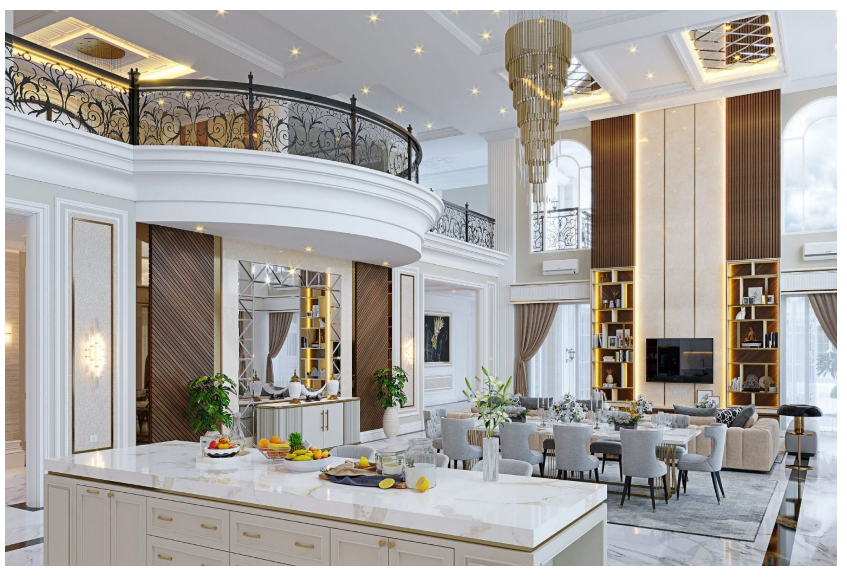
Visible technology—such as bulky control panels and prominent audio equipment—dates a home almost immediately. Instead, the luxury standard demands invisibility. Distributed audio systems are now seamlessly integrated using small-aperture speakers that mimic the appearance of high-end recessed lighting, or plaster-in speakers that vanish completely into the drywall. This approach preserves the integrity of the interior architecture while delivering exceptional acoustic performance.
- Hardwired Data Networks: Utilizing Cat6a or fiber optic cabling to support future bandwidth demands and ensure absolute reliability across the estate.
- Centralized Lighting Control: Systems that eliminate wall clutter by replacing large banks of individual switches with minimalist, programmable keypads tailored to the user’s routines.
By investing in robust backend infrastructure rather than temporary hardware, homeowners ensure their property remains technologically relevant for decades. This forward-thinking approach is strongly supported by the National Association of Home Builders, which continually emphasizes that built-in, upgradeable systems retain their value far better than surface-level gadgets.
The Role of Specialized Professional Expertise
Executing these strategic upgrades requires a level of precision that fundamentally exceeds standard building practices. The complexity of modern architectural materials, advanced thermal envelopes, and integrated technology demands the oversight of specialized professionals. Attempting to value-engineer these systems by utilizing inexperienced contractors routinely results in catastrophic system failures, compromised aesthetics, and ultimately, a severe depreciation in property value.
The transition toward highly specialized professional installations is accelerating. Recent data from the Joint Center for Housing Studies highlights that homeowners are increasingly relying on professional expertise to protect their investments and manage complex project scopes. Homeowners are recognizing that the initial cost premium associated with hiring elite builders and specialized trades is a necessary protective measure.
A flawed installation of large-format porcelain slabs or an improperly sealed building envelope will incur repair costs that dwarf any theoretical upfront savings. Furthermore, detailed documentation of professional installations and premium material specifications serves as critical evidence of quality when the property is eventually appraised for resale.
Securing Long-Term Equity in Central Texas
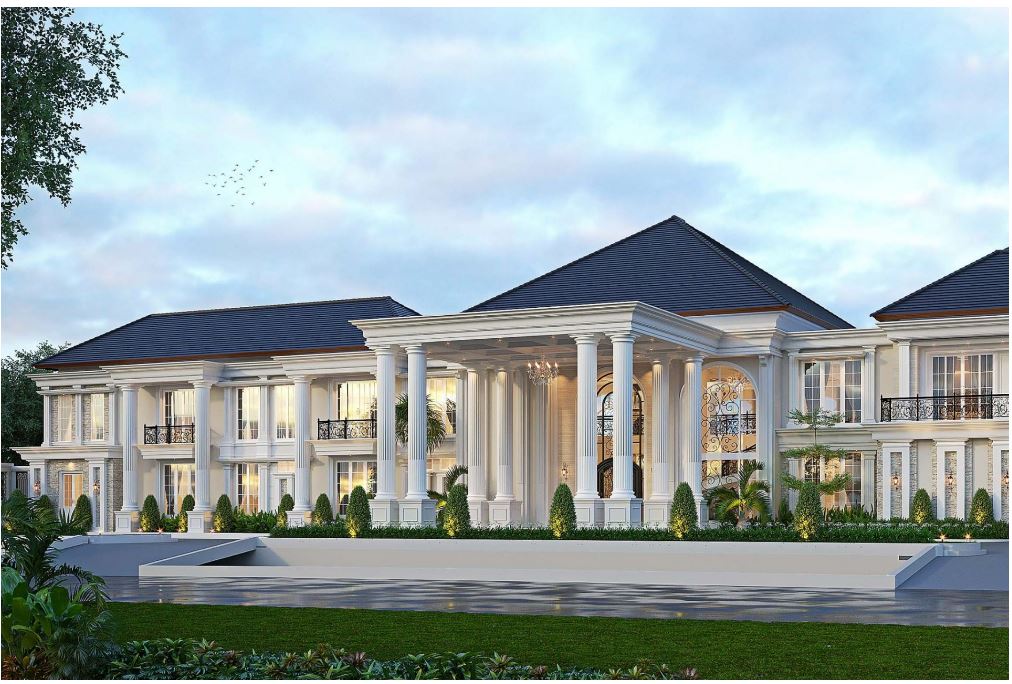
Designing and building a custom luxury home is an exercise in rigorous long-term planning. The architectural decisions made during the schematic phases will dictate the property’s durability, daily functional performance, and ultimate market valuation for decades to come. By shifting focus away from transient design trends and prioritizing enduring material science, high-performance structural systems, and sophisticated, concealed technology, homeowners can engineer a property that physically and financially outlasts the competition.
A strategic approach to capital allocation ensures that every dollar invested in the physical structure actively contributes to the home’s operational efficiency and aesthetic longevity. In the selective Central Texas luxury market, homes that embody this level of architectural foresight command immediate attention and premium valuations, proving that true luxury is fundamentally intertwined with resilient, intelligent design.