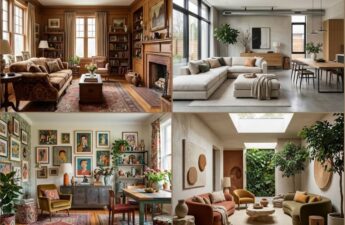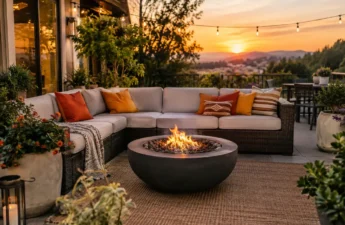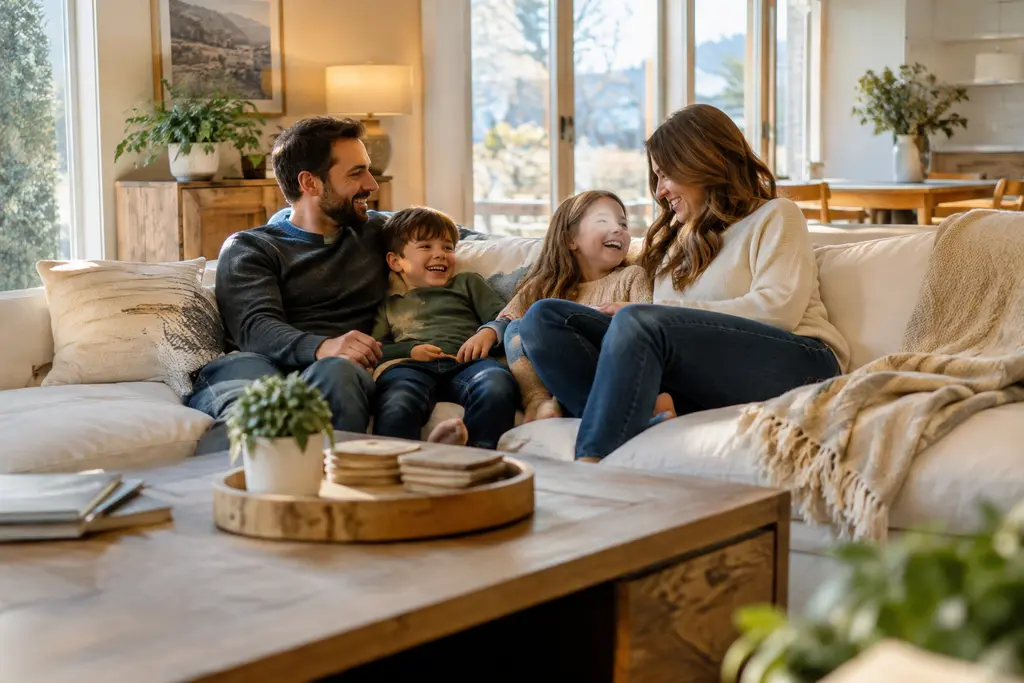
Warm inviting spaces are no longer being treated as a short seasonal preference. In the 2026 U.S. Houzz Fall Design Trends Report, the design direction was broader: homeowners were layering warm wood tones, earthy color, natural materials and varied textures to create rooms with more depth and personal character. That does not mean every home needs a heavy rustic look. It means warmth is being built through choices that can stand up to daily use, maintenance needs and longer ownership plans.
The report also pointed to a practical reason for the shift. Many owners were planning renovations around a longer stay in the home, not a quick cosmetic refresh. Houzz reported that 61% of surveyed homeowners planned to remain in their homes for 11 years or more after renovating, while 44% described their property as a “forever home” in the 2026 Houzz fall report. That longer horizon changes how design choices should be judged: comfort matters, but so do access, storage, durability and the ability to adapt rooms as household needs change.
What The 2026 Houzz Report Actually Shows
The strongest message from the fall report is not that white rooms disappeared or that minimal interiors have no place. The better reading is more cautious. Cool, flat finishes are being balanced with touchable surfaces, visible grain, earthy tones and materials that feel less manufactured. Designers reported interest in high-variation tile, honed or leathered stone, artisan plaster, aged metals and imperfect finishes. Those selections can create character, but they also require careful specification because every material has its own cleaning, sealing and installation demands.
Warm Inviting Spaces Start With Layering
Layering is the practical difference between a room that feels warm and a room that simply uses beige paint. A wood cabinet, a woven shade, a textured rug, a stone surface and a softer wall color can all contribute different visual weight. The risk is overloading the room with surfaces that compete, collect dust or require special care. In project reviews, I usually separate warmth into three categories: permanent finishes, replaceable furnishings and personal objects. Permanent finishes deserve the most restraint because they are costly to change. Furnishings and accessories can carry more personality because they are easier to revise.
The report’s interest in collected interiors also supports this measured approach. Homes that look as if they developed over time, using vintage pieces, heirlooms, mixed patterns and old-and-new combinations, were favored over off-the-shelf perfection. That is useful guidance for homeowners on a budget: not every character detail has to be built into the renovation. A safer and often more flexible plan is to keep fixed elements coherent, then add texture and memory through furniture, lighting and art.
Long-Term Living Changes The Brief
Long-term renovation planning can make warmth more than a visual style. The same report noted increased requests for features tied to changing household needs, including main-level primary suites, wider doorways, curbless showers, accessory dwelling units and secondary suites. Those ideas are not purely decorative. They reflect guest stays, multigenerational living, wellness needs and possible changes in mobility. Any work that affects structure, plumbing, electrical systems or permitted living areas should be evaluated by qualified professionals and local code officials before design decisions are finalized.
For those exploring broader property choices, sites like Jimmy Guthrie Real Estate LLC can provide valuable insights into the local real estate market. Design choices should still be made for the people who live in the home first, especially when the plan is to stay for many years. For outdoor-adjacent planning, the same logic applies to patios and yards; practical ideas for shade, seating and safer daily use are covered in this article on outdoor design trends.
Kitchens Show The Clearest Material Shift
Kitchens are where the warm-home trend becomes easiest to measure. Cabinet color, island planning and storage choices all show how homeowners are balancing appearance with function. The kitchen is also where design errors can be expensive, since cabinetry, appliances, counters and lighting have to work together. A warm finish that looks appealing in a showroom may be disappointing if it reduces visibility, hides too little clutter or forces awkward appliance placement.
Warm Inviting Spaces In The Kitchen
Houzz’s 2026 kitchen trends coverage reported that wood cabinetry overtook white cabinets for the first time among renovating homeowners: 29% chose wood tones, compared with 28% choosing white. The wood group included medium wood at 15%, light wood at 11% and dark wood at 3%, marking a 6-point year-over-year increase for wood. The same research found that nearly all renovating homeowners, 94%, included specialty storage features in cabinet upgrades, while 58% added or updated an island and 53% of those island projects included at least one new appliance, according to Houzz kitchen trends.
In practical terms, warm inviting spaces in kitchens depend as much on organization as on finish color. Wood doors can soften the room, but pull-out waste and recycling bins, tray dividers, spice organizers and cutlery storage may have a greater effect on daily comfort because they reduce countertop clutter. If an island includes a dishwasher, microwave or other appliance, electrical and plumbing planning should be handled by licensed trades. The design goal should be a calmer kitchen, not a crowded work zone.
Storage Has To Support The Mood
A warm room can still feel stressful if every surface is overloaded. The kitchen storage data is useful because it shows that homeowners are not only chasing appearance. They are building systems for daily routines. Before ordering cabinets, homeowners should map where small appliances, baking sheets, recycling, spices and serving pieces will live. That planning can prevent a common mismatch: attractive cabinetry with too few useful interiors.
- Use wood tones where they can be appreciated without darkening task areas.
- Pair textured surfaces with cleaning requirements the household can realistically maintain.
- Keep frequently used items in reachable storage rather than deep decorative display zones.
- Review appliance locations before finalizing island size or seating.
- Bring in licensed trades for wiring, plumbing, ventilation and structural changes.
How To Apply Warmth Without Creating Risk
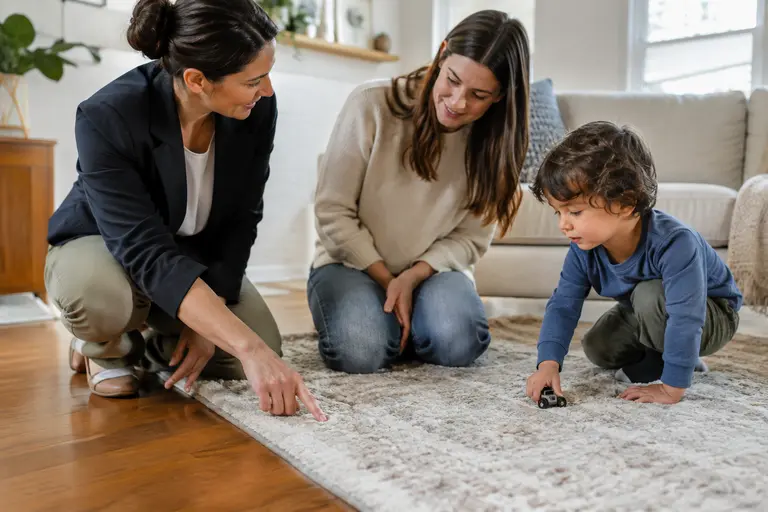
The appeal of natural and imperfect materials is understandable. High-variation tile, stone, aged metal and plaster can make a room feel less generic. Still, these choices should be tested against the room’s moisture, wear and cleaning conditions. A powder room wall, a kitchen backsplash and a shower floor do not place the same demands on a material. The safest design process asks where a finish will be touched, splashed, scrubbed, walked on or exposed to heat before it is selected.
Natural Materials Need Practical Vetting
Natural stone, honed surfaces and aged metals can vary in appearance and maintenance needs. That variation is part of their appeal, but it also means samples matter. Homeowners should review actual samples in the room’s light, ask suppliers about sealing and cleaning requirements, and confirm whether a material is suitable for wet or high-use areas. A beautiful surface that stains easily in a busy kitchen may create daily frustration. Warmth should not come at the expense of safe footing, sanitary cleanup or clear work surfaces.
Plan Around Light, Maintenance And Access
Lighting is one of the safer ways to add comfort without committing every surface to a trend. Warmer finishes often look different under daylight, under-cabinet lighting and evening lamps. Reviewing samples at different times of day can prevent color surprises. Maintenance should be reviewed with the same care. Textured tile, open shelving and decorative grooves may look appealing, but they can add cleaning time. Access also matters. Wider passages, lower-threshold showers and main-level sleeping options may support long-term use, but they need professional planning when walls, drains, framing or permits are involved.
Warm Inviting Spaces For Long-Term Use
The most reliable warm inviting spaces are not built from one fashionable color or one expensive surface. They come from a series of grounded decisions: wood where it improves comfort, storage where it reduces clutter, texture where it can be maintained, and layout choices that respect how the household may change. The 2026 Houzz findings point toward homes with more personality, but they also point toward longer ownership and more practical renovation goals.
For homeowners planning work in 2026, the cautious approach is to separate emotional appeal from permanent commitment. Test samples, price the full installation, ask about maintenance, and bring in qualified professionals before touching structure, electrical systems, plumbing or permitted living areas. Warmth is most successful when it makes daily life easier, not when it creates new hazards or upkeep the household cannot sustain.