Bring Your Dream Home to Life with Mood Boards
Designing a custom home is exciting, but it can also feel overwhelming. With countless design choices—from colors and textures to furniture styles and lighting—how do you ensure your vision comes together cohesively? This is where mood boards become an essential tool. Mood boards serve as a visual roadmap for your project, helping you collect, organize, and refine ideas in a way that brings clarity to your design process.
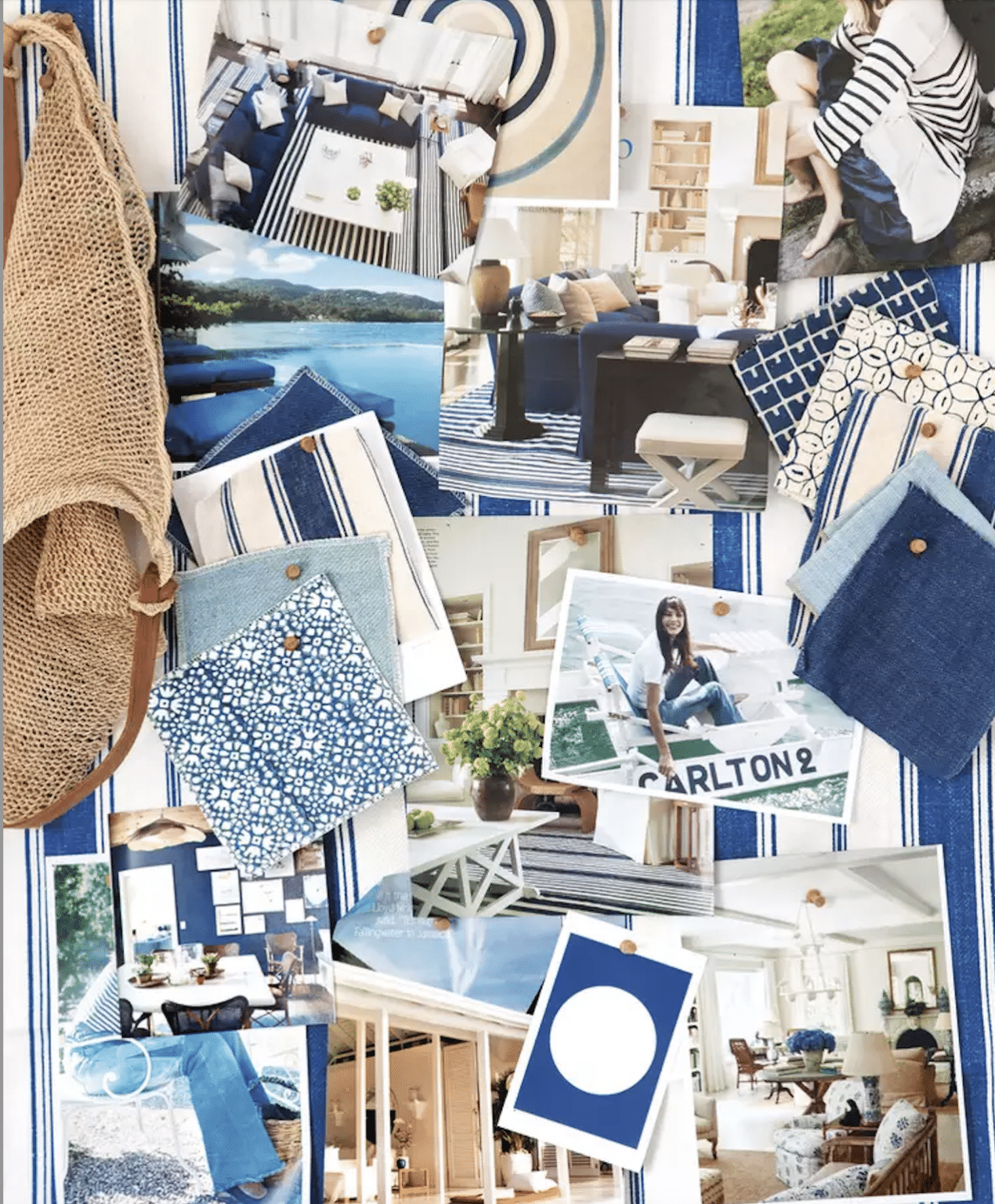
What Is a Mood Board and Why It Matters
A mood board is more than a collage of pretty images. It’s a storytelling tool that combines colors, textures, finishes, furniture, and inspirational photos to capture the look and feel of your future home. By visualizing your ideas in one place, you can see how materials, patterns, and design elements interact before making costly decisions. For homeowners aiming for a bespoke space, mood boards are invaluable—they help create a home that truly reflects your personality, taste, and lifestyle.
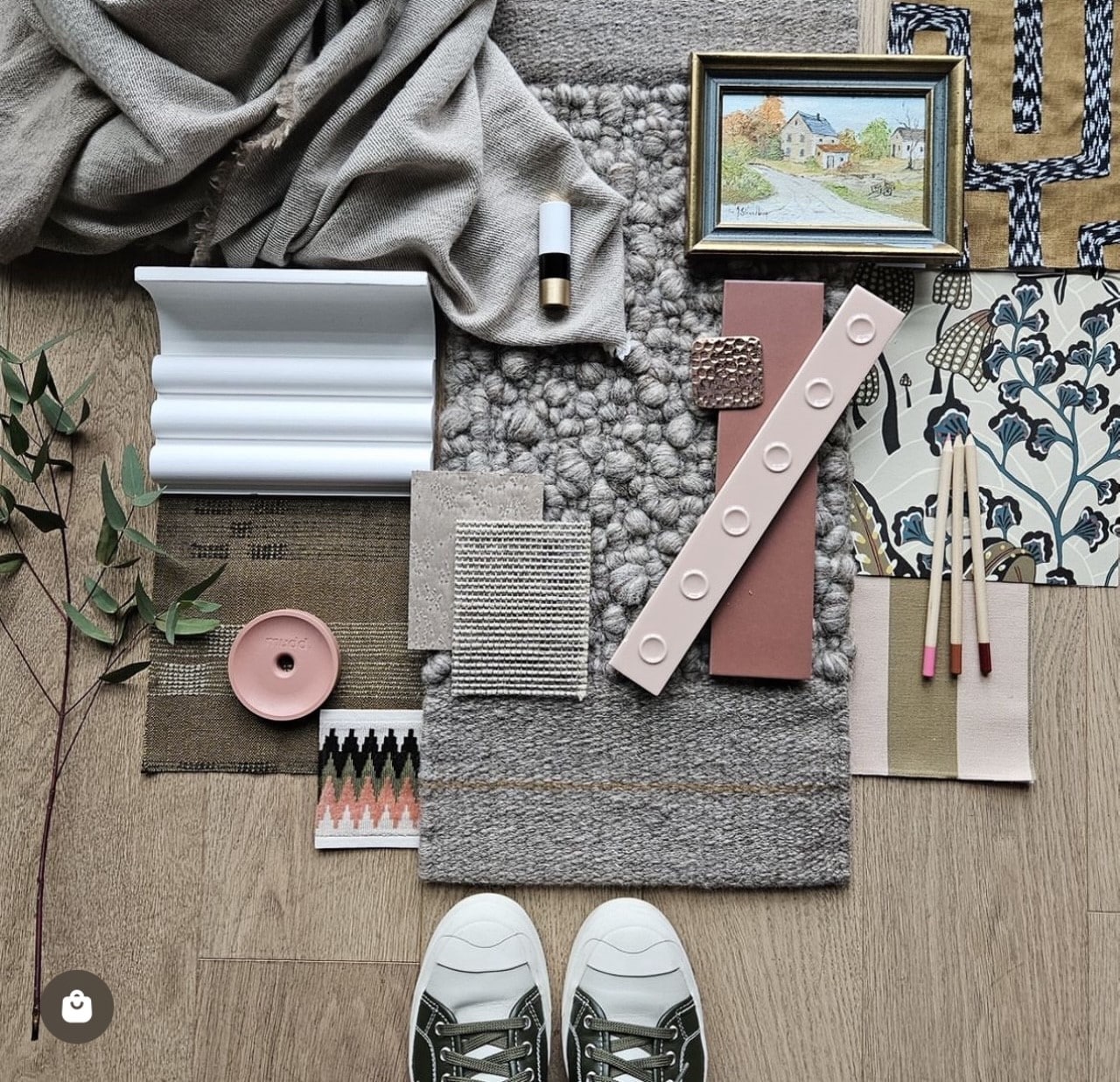
Mood boards also evoke emotions. A cozy color palette can convey warmth and intimacy, while sleek materials and bold accents might communicate luxury and modernity. By carefully curating these elements, you set the tone for every room in your home, creating a cohesive, intentional design from the start.
Physical vs. Digital Mood Boards
There are two main approaches to creating mood boards: physical and digital.
-
Physical mood boards: These involve pinning fabric swatches, paint samples, photographs, and material cutouts onto a board or foam core. Physical boards allow you to touch textures, mix materials, and see colors in natural light, providing a tactile experience that’s hard to replicate digitally.
-
Digital mood boards: Apps and online tools allow you to drag and drop images, adjust colors, and experiment with layouts in real-time. Digital boards are easy to update, share with collaborators, and even simulate rooms with furniture and lighting. Platforms like Pinterest, Canva, and Adobe Express make it simple to combine trend-driven inspiration with personal style.
How to Create a Mood Board for Your Home
-
Start With a Vision: Before you collect images, define your style. Are you drawn to minimalist, contemporary, or classic interiors? Knowing your preferences helps you choose elements that align with your vision.
-
Collect Inspiration: Browse design magazines, websites, social media, and showrooms for images, textures, and color palettes that resonate with you. Don’t worry about perfection—this is about capturing possibilities.
-
Organize Your Elements: Group images by room, color scheme, or material type. This helps you visualize how ideas interact and ensures your board has a logical flow.
-
Refine and Edit: Remove items that don’t match your vision. The goal is a cohesive board that clearly communicates your design intent.
-
Use Tools for Visualization: Experiment with digital apps or physical layouts to see how elements work together. Digital tools allow you to tweak colors, switch textures, or add furniture to preview the final space.
-
Share and Collaborate: Use your mood board to communicate your vision to designers, architects, or contractors. It ensures everyone is aligned and reduces misunderstandings during the project.
Incorporating Trends While Staying Authentic
Trends can inspire, but your home should reflect your personality, not just the latest styles. Research current design trends—like sustainable materials, bold accent walls, or statement lighting—and experiment with them in your mood board. If a trend resonates with your taste, include it; if not, skip it. The best mood boards balance inspiration with authenticity.
The Benefits of Using Mood Boards
-
Clarity: Helps you visualize the overall look and feel before starting your project.
-
Efficiency: Reduces costly mistakes by allowing you to experiment with ideas first.
-
Creativity: Encourages mixing textures, colors, and styles to discover new combinations.
-
Communication: Acts as a shared reference for designers, contractors, and family members.
-
Confidence: Gives you the assurance that your design choices work together harmoniously.
Practical Tips for Successful Mood Boards
-
Limit your color palette to 3–5 main colors per room for a cohesive look.
-
Include textures and materials to visualize depth and feel.
-
Mix high-end and affordable materials to create a balanced, practical design.
-
Update your mood board as your project evolves—your design can grow and adapt.
-
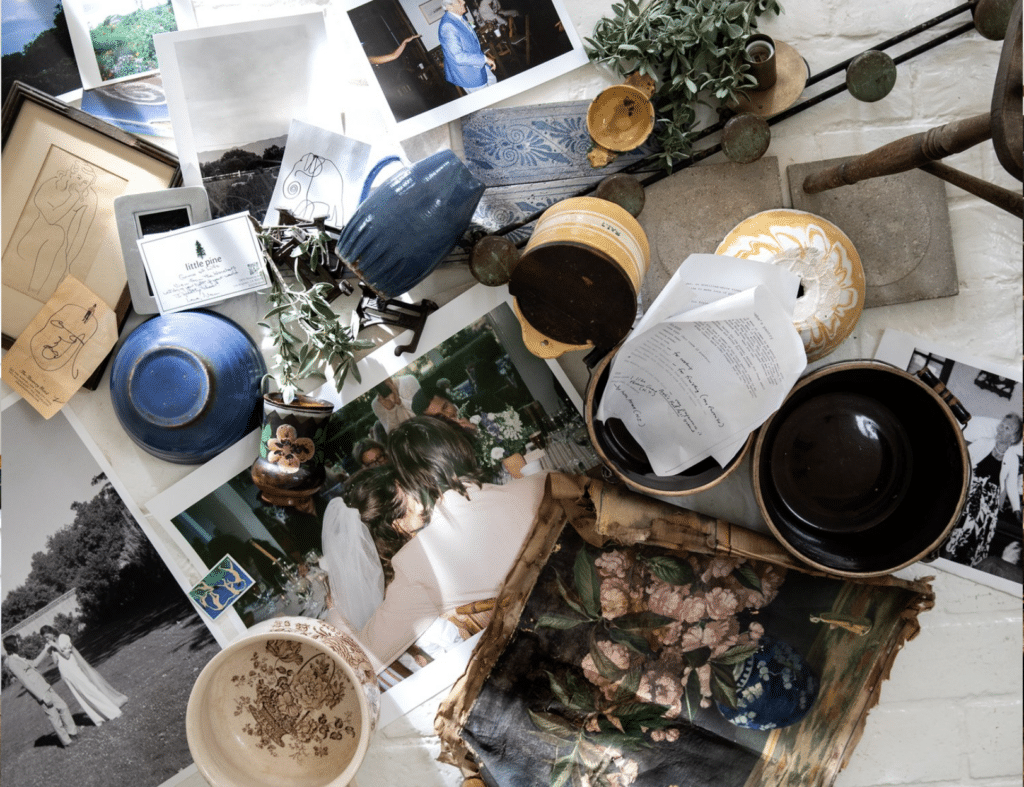
Take inspiration from your surroundings, travel experiences, and personal memories to add a unique touch.
Final Thoughts
Mood boards are more than a design tool—they are a creative, practical, and inspiring way to plan your custom home. They allow you to experiment with ideas, refine your aesthetic, and ensure your final design is cohesive and intentional. Whether you prefer digital platforms or tactile physical boards, the key is to stay authentic and let your mood board guide every decision. By using mood boards effectively, you can transform abstract ideas into a home that is stylish, functional, and uniquely yours.
Suggested Photos:
-
Hero image: A digital mood board on a tablet with colors, textures, and furniture.
-
Close-up: Paint chips, fabric swatches, and material textures arranged neatly.
-
Lifestyle shot: Homeowner or designer arranging images on a physical board.
-
Room inspiration: Interiors reflecting the palette and materials from a mood board.
-
Step-by-step visuals: Screenshots of digital mood board creation or arrangement.