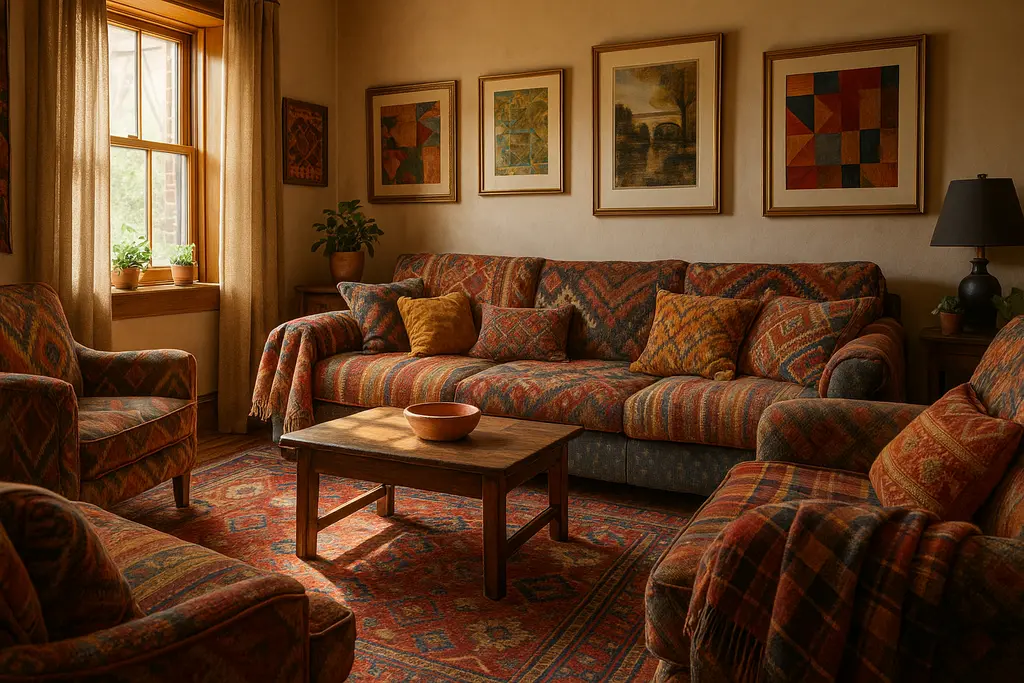
Maximalist layering is gaining attention because it offers an alternative to rooms that feel visually spare, impersonal, or overly staged. The strongest version is not random accumulation. It is a planned mix of color, pattern, texture, art, antiques, newer pieces, and meaningful objects that makes a room feel specific to the people who live there.
The trend should still be treated with discipline. A layered room has to support daily movement, cleaning, storage, lighting, and basic safety. That matters whether you own a house, rent an apartment, or are planning a larger remodel where paint, built-ins, flooring, lighting, and furniture choices all start to interact.
Why Maximalist Layering Is Gaining Attention
Design media has been tracking a shift away from ultra-minimal interiors toward more expressive spaces. Livingetc describes the current interest as a move toward intentional combinations of materials, colors, textures, art, antiques, and personal objects rather than empty rooms with a narrow neutral palette intentional layering. That is a useful distinction for homeowners: the goal is depth, not visual noise.
There is also survey-based evidence behind the broader appetite for bolder interiors. According to 1stDibs’ ninth annual Interior Designer Trends Survey, reported by US Magazine, maximalism at 39% and eclecticism at 38% were the most in-demand styles for 2026 among 468 design professionals worldwide designer trends survey. A survey does not mean every home should adopt the look, but it does indicate that layered, personal interiors are moving into the design mainstream.
Maximalist Layering Versus Clutter
Maximalist layering works best when each layer has a role. A patterned rug can anchor furniture. A wall color can set the mood. A gallery wall can hold family art, travel pieces, or collected prints. Objects on a shelf can tell a personal story, but they still need breathing room and a practical reason to be displayed rather than stored.
Clutter usually happens when every surface becomes a holding area. A layered room should still allow a coffee table to be used, a chair to be pulled out, and a walkway to stay clear. If a room becomes harder to clean, harder to move through, or harder to use at night, the layering plan needs editing.
Start With A Room Safety And Function Check
Before buying paint, wallpaper, rugs, or shelving, evaluate how the room is used. A family room that handles pets, children, snacks, laptops, and guests needs different layering choices than a formal dining room used a few times each month. The more active the room, the more each layer must hold up to wear and cleanup.
This is also where design enthusiasm should pause for safety. Heavy objects need stable furniture or properly installed supports. Tall bookcases should not be treated as casual decor if they can tip. Cords should not run through walkways. New hardwired lighting, added outlets, or wall-mounted equipment should be handled by qualified professionals rather than improvised during a weekend refresh.
Traffic Paths And Daily Use
A layered room can still feel calm if circulation is protected. Keep the main route through the room obvious. Avoid placing small tables, plant stands, or floor lamps where people naturally turn a corner. Rugs should be selected and placed with attention to tripping risk, especially in homes with older adults, young children, or anyone with mobility concerns.
Layering also changes how a room sounds and feels. Textiles, upholstered seating, and rugs can make a room feel warmer and more settled, while too many hard surfaces can make conversation feel sharper. The practical question is not whether the room has enough pieces, but whether the pieces improve comfort.
Storage Before Display
A useful maximalist room usually needs more storage than a minimal one. Closed cabinets, baskets, drawers, and built-ins can hold the items that do not need constant display. This is where the idea of tidy maximalism is helpful: the room can be expressive without leaving every possession visible.
Build Depth With Color Pattern And Texture
The research notes several practical routes into a layered look: mixing old and new pieces, combining patterns, using bold color, adding layered rugs, and displaying meaningful objects. The common thread is intentional contrast. A contemporary sofa can sit well with an antique table if scale, color, and placement make the pairing feel deliberate.
Color is often the hardest decision because it affects every other choice. If the room already has strong art, patterned upholstery, or a colorful rug, the wall color may need to support those pieces rather than compete with them. If the walls are the main statement, smaller accessories can repeat selected tones so the room feels connected.
Pattern Scale And Color Discipline
Pattern mixing is one of the clearest expressions of this trend. The research describes the printmaxxing idea as layering several patterns while balancing pattern scale and using a cohesive color palette. In practice, that can mean pairing a large-scale floral with a smaller stripe, a geometric accent, or a textured solid that gives the eye a place to rest.
A cautious approach is to test combinations in the actual room before committing. Samples matter because daylight, lamp temperature, floor color, and nearby wood tones can shift how a fabric or wallpaper reads. Renters can apply the same thinking through textiles, art, lampshades, and removable decor rather than permanent finishes.
Old And New Pieces
Mixing vintage and contemporary pieces is a repeated theme in the research. It gives a room a more personal feel than buying every item from one current collection. Heritage maximalism takes this further by using antiques, textiles, craftsmanship, and traditional references in a layered way. Scandi maximalism offers another route, combining Scandinavian restraint with bolder pattern, color, and folk art influence.
The safest buying strategy is gradual. Start with the pieces that define the room: the rug, main seating, wall color, or a large artwork. Smaller accessories can follow. This reduces the chance of overspending on items that do not work once they are placed together.
Use Technology And Lighting With Restraint

As a design strategist, I see smart home technology as most useful when it supports comfort quietly. A layered interior can suffer if every device, charger, speaker, and cable is visible. Planning outlets, charging drawers, lamp locations, and media storage early helps the room keep its personality without turning surfaces into equipment zones.
Lighting is especially important because layered rooms contain more shadows, textures, and reflective surfaces than sparse rooms. A single ceiling fixture rarely gives enough control. Lamps, picture lights, sconces, and dimmable fixtures can help different layers read clearly at different times of day, but any new hardwired work should be left to a qualified electrician.
Smart Controls Should Simplify The Room
Smart bulbs, plugs, or dimmers can be useful if they make daily routines easier. They are less useful if guests cannot turn on a lamp or if the room depends on a phone app for basic function. Choose controls that still allow simple manual operation, especially in shared spaces.
For readers planning a more involved lighting scheme, the principles in architectural layered lighting connect well with maximalist rooms: ambient, task, and accent light each have different jobs. The design aim is not just drama; it is being able to read, clean, host, and relax in the same space.
Maximalist Layering That Stays Livable
Maximalist layering is most successful when it grows from the household rather than from a shopping list. Meaningful objects, art, books, inherited pieces, newer furniture, textiles, and color can all contribute, but the room still has to function on an ordinary weekday.
A practical sequence is to edit first, then layer. Remove items that do not serve the room. Identify the pieces worth highlighting. Add color and pattern in stages. Test rugs and textiles for scale. Keep storage close to where items are used. Check that doors, drawers, windows, vents, seating, and walkways remain usable.
The trend is appealing because it gives permission to build interiors around memory, taste, and comfort rather than a single plain template. The cautious version is also the strongest: layered, personal, safe, cleanable, and flexible enough to change as the household changes.