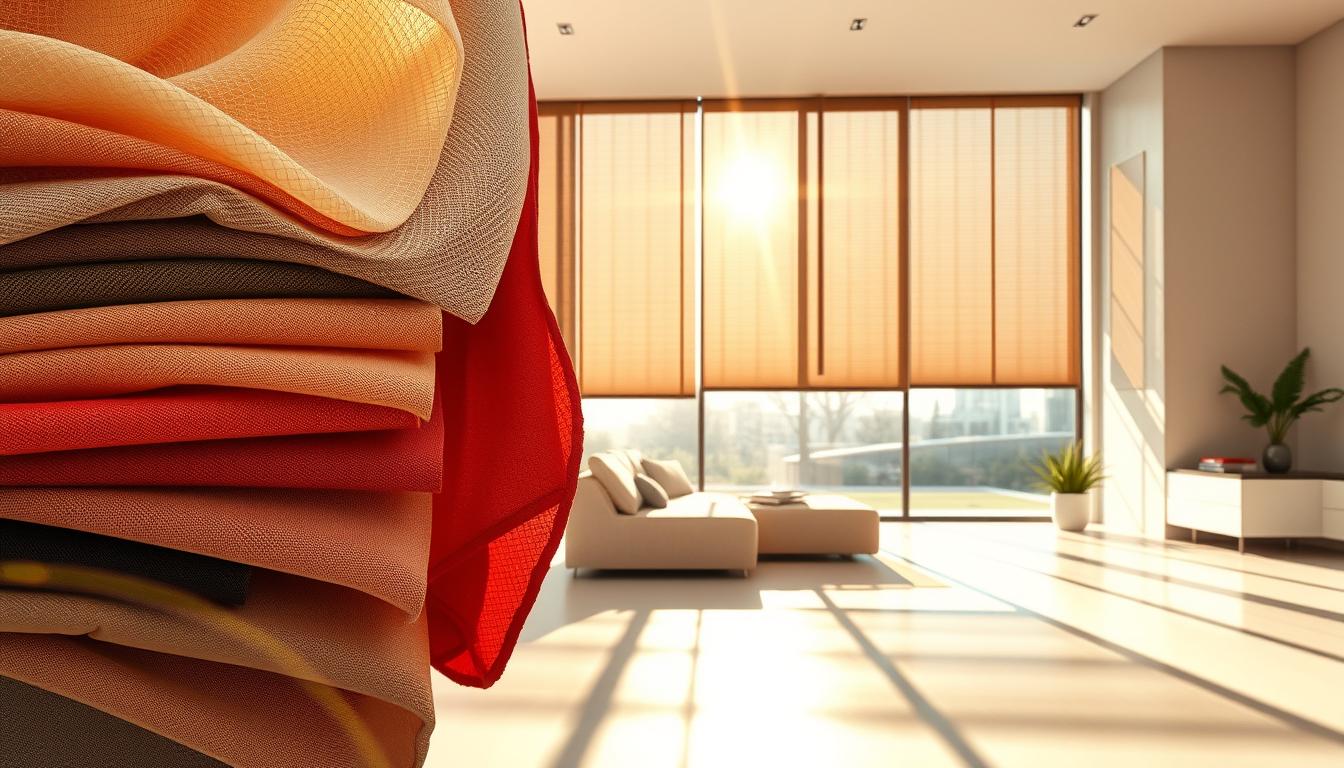
Let’s talk about what’s really hanging over your windows. That beige relic from 1998 has got to go. I’ve seen more personality in hospital curtains.
The openness factor isn’t just about privacy. It’s about controlling solar gain control like a thermal Jedi. How much light enters directly impacts your room’s temperature.
Dark colors absorb heat like a sponge. Light colors act as solar reflectors with style. Your color choice creates a mini climate change scenario right in your living room.
Proper thermal management can slash your HVAC bill by up to 25%. That’s real money back in your pocket for better investments. Maybe even some smart motorized blinds that actually work with your climate.
This isn’t just decor – it’s science with style. Your windows deserve better than basic beige.
Layering: sheer + blackout + drapery for media and bedrooms
Think of your windows as a stage where light is the star. Layered window treatments let you control the show. Sheers soften the light during the day, and blackout panels create deep darkness at night.
Media rooms need blackout curtains that would impress even Dracula. I’ve seen theaters where sunlight ruined the story. The fix? Blackout + sheer combos that switch from light to dark quickly.
Bedrooms also benefit from this setup. Sheers let in morning light gently, unlike an alarm clock. Blackout layers make it dark, so you might forget the time.
The magic happens with drapery tracks for layered use. Motorized systems make changing layers smooth. No more fighting with cords or wondering if they’ll line up.
Coordinating these elements is like a fine art, not like putting together IKEA furniture when you’re hungry. The aim is to avoid a fabric mess at your window. It’s about making each layer work well together.
Good layering turns windows into active parts of your space. You get precise light control and add depth and texture. It’s a big difference between basic window treatments and something that enhances your space.
Pocket planning, fascia, and trim details
Imagine a suit that looks like it was made just for you. Every seam is perfect, and every edge is precise. Pocket planning is like that, but for your windows. It’s about hiding things in plain sight, like a secret compartment.
These hidden spaces make your blackout + sheer curtains disappear when not in use. No ugly bulges or half-done jobs. Just clean lines and a window treatment that’s invisible.
Fascia is like the final touch that says, “I’m complete” and not “I ran out of ideas.” It’s the difference between a custom-made piece and something cheap. Good fascia turns functional parts into beautiful design.
Trim details are what set pros apart from beginners. I’ve seen trim so fine it looks like it was done by a surgeon. These small touches make all the difference in how your window treatments look.
Here are some key installation details for custom window treatments:
- Pocket depth: A 4-inch recess is needed for full hiding
- Fascia alignment: It must match the surrounding woodwork
- Trim tolerances: No gaps bigger than 1/8 inch
- Transition points: Materials must blend seamlessly
Doing it right turns window coverings into stunning features. It’s like the difference between a custom-made suit and something off-the-rack. Both cover you, but one does it with style and precision.
Your blackout + sheer solutions should get this level of care. Why settle for good when you can have great? The beauty is in the details.
Power: low‑voltage vs battery vs line voltage
The fight for the best window treatment isn’t with swords. It’s about volts, amps, and sometimes dead batteries. Picking the right power source for your motorized shades needs careful thought.
Low-voltage systems work smoothly, like a well-run government. They need a pro to install but work flawlessly. It’s like having a Swiss watch in your home.
Battery-powered shades are like digital nomads. They offer freedom but can be unpredictable. You never know when they might stop working.
Line voltage systems are like old, reliable machines. They’ve been around for ages and keep going without complaint.
Each power type has its own way of thinking about home automation. Low-voltage is all about ease. Battery power is about freedom. Line voltage is about reliability.
| Power Type | Installation Complexity | Maintenance Needs | Long-term Reliability |
|---|---|---|---|
| Low-voltage | Professional required | Minimal | Exceptional |
| Battery | DIY friendly | Regular charging | Moderate |
| Line voltage | Electrician needed | Rare | Proven track record |
Choosing the right power system depends on your lifestyle. If you change smoke detector batteries regularly, battery power might be for you. If you like things that last, low-voltage could be better.
I’ve seen battery systems last longer than some celebrity marriages. Low-voltage setups have survived many home renovations. It’s all about what you prefer: easy maintenance or smooth operation.
The best power options for motorized window treatments are the ones that work without you thinking about them. No one wants to babysit their smart home.
Control: keypads, app, sun tracking, and astronomical clocks
Welcome to the heart of your window treatments. Here, control meets architectural smarts. It’s not just about opening shades. It’s about managing sunlight like a maestro.
Keypads give you the feel of real buttons in our digital age. They’re like the old phones of smart home integration. They’re dependable, easy to use, and always there.
Mobile apps turn your phone into a remote for sunlight. You can adjust your automated shading from anywhere. It’s not just for techies; it’s for anyone who values ease.
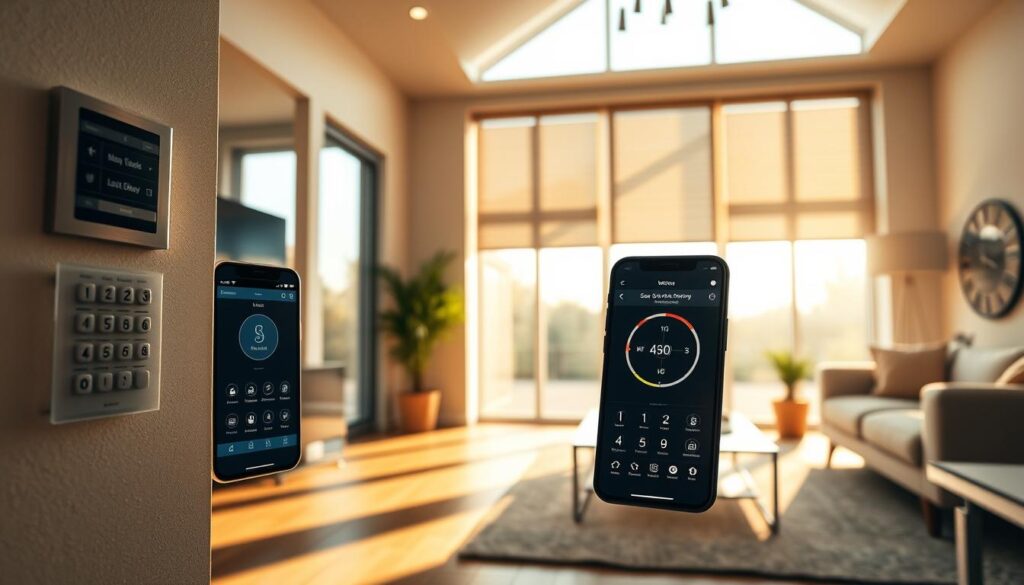
Sun tracking tech is amazingly smart. It follows the sun’s path and adjusts your shades for the best solar gain control. Say goodbye to harsh afternoon light ruining your reading spot.
Astronomical clocks are even more advanced. They predict the sun’s position, even when it’s cloudy. The perks are clear:
- They save energy by managing your climate smartly
- They protect your furniture and art from UV damage
- They keep your home lit naturally, fitting your schedule
- They offer privacy by controlling when shades open and close
The magic is in the automation. Set it once and your home adapts to changes. It’s not just about being easy. It’s about creating harmony between tech and architecture.
Integration with HVAC and circadian lighting
Your motorized shades window treatments are now your home’s top energy savers. They act as a neutral middleman between your heating, cooling, and lighting systems. This helps them all work better together.
These systems work so well, they could probably solve world conflicts. Your shades lower when the sun makes your living room too hot, telling your AC to relax. They open with the morning light, letting natural warmth in and keeping your furnace cozy.
Circadian lighting adds magic to the mix. It’s not just about saving energy; it’s about respecting your body’s natural rhythm. It simulates a sunrise, waking you up gently, unlike an alarm.
Here are some key benefits:
- HVAC synchronization that cuts energy use by up to 25%
- Shades adjust automatically based on room temperature and sun position
- Circadian lighting that matches your natural sleep-wake cycle
- Systems talk to each other smoothly, no need for you to do anything
The beauty of this integration is its quiet efficiency. Your shades and thermostat work together, saving energy while you watch TV. It’s home automation that makes life easier, not harder.
This isn’t just smart home tech; it’s like therapy for your home. Your systems learn to work together so well, they could file taxes together. You get lower bills, better comfort, and know your home respects your body’s rhythm more than work does.
Safety, child/ pet considerations, and quiet motors
Let’s be honest: nobody wants their smart home to become a Darwin Award submission. Modern motorized shades window treatments have evolved. They now offer sophisticated safety systems that anticipate domestic chaos.
Remember corded blinds? They were basically cat toys with death wishes. Today’s cord-free designs eliminate strangulation hazards. They also give pets nothing to bat around. It’s like childproofing for the Instagram era – all sleek surfaces and hidden mechanisms.
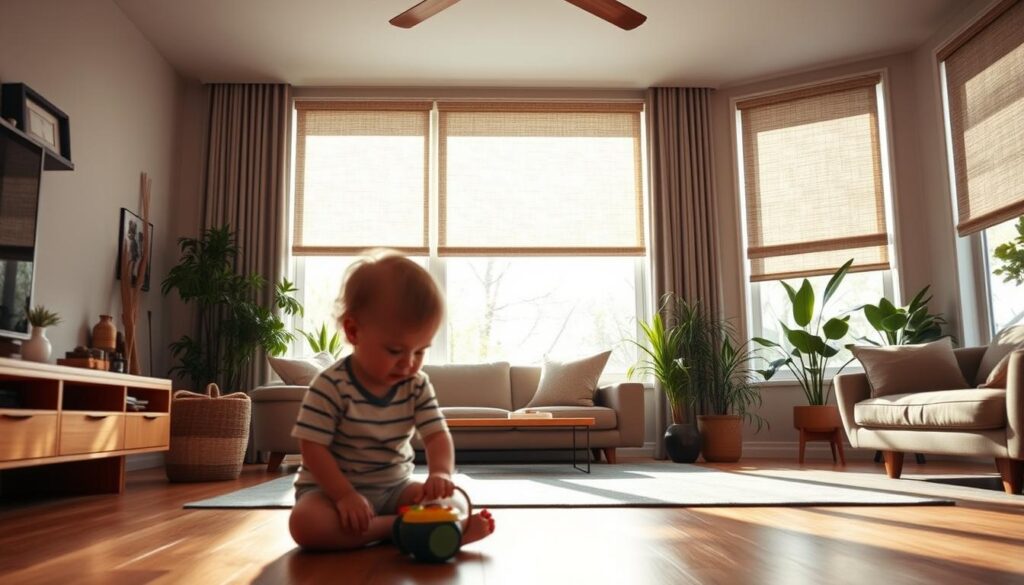
The real magic happens in the motor housing. These aren’t your grandfather’s noisy drapery motors. They sound like construction equipment. We’re talking library-quiet operation that won’t disturb naptime or your latest podcast binge.
Advanced sensors detect obstructions better than most teenagers notice clean laundry. Fingers, paws, or stray toys? The shades stop immediately and reverse direction. It’s like having a digital babysitter built into your window treatments.
For pet-friendly design, consider motorized shades with durable fabrics. These fabrics withstand curious claws. No more shredded linens pretending to be window coverings. These materials laugh in the face of feline destruction.
Installation height matters too. Mount controls out of reach of tiny hands but accessible for adults. Because nothing ruins a sophisticated smart home faster than a toddler turning your living room into a disco strobe light show.
Ultimately, proper child safety means designing for both protection and peace of mind. You get elegant automation that won’t land you in the emergency room. The ultimate win in modern home design.
Retrofit tactics for existing homes
Retrofitting motorized shades is not just home renovation. It’s like giving an old house a new heart. I’ve updated 1920s brownstones with modern shades, keeping their original charm.
Battery-powered shades are the best for old homes. They don’t need any major changes. They look like regular shades but have hidden tech.
Mid-century homes can get low-voltage systems easily. We use their existing wiring carefully. This keeps the home’s look intact.
For tough spots, we use wireless systems. They connect with smart home hubs. It’s like making an old radio play new music.
Most installations are done in a day. You get modern features without the hassle. Your home stays true to itself but gets smarter.
Cleaning, maintenance, and warranty tips
Maintaining motorized shades is like flossing—nobody wants to do it until disaster strikes. I’ve seen folks attack dust with everything from a damp cloth to a leaf blower. Don’t be that person.
For cleaning, stick to gentle methods. A soft microfiber cloth works wonders. Avoid harsh chemicals; these aren’t garage doors. Think of it as caring for a vintage record player—delicate, precise, and totally worth the effort.
Regular maintenance prevents expensive surprises. Check cords and motors occasionally. Listen for odd noises; your shades shouldn’t sound like a metal band. Simple care instructions can save you from calling a repair tech.
Warranties are your safety net. Read the fine print like it’s a thriller novel. Many cover defects but not misuse. Follow the manufacturer’s longevity advice to keep coverage intact.
Treat these investments well, and they’ll outlast trends. Good motorized shades window treatments deserve respect—and a little occasional TLC.