Elevating Luxury Design with High-End Materials
Here’s a rewritten, SEO-focused version of your article, expanded to 1,500–2,500 characters with 2–3 article outlines for clarity and search optimization:
Title: Must-Have Tools and Resources for Luxury Material Sourcing
Elevate Your Design Projects with High-End Materials
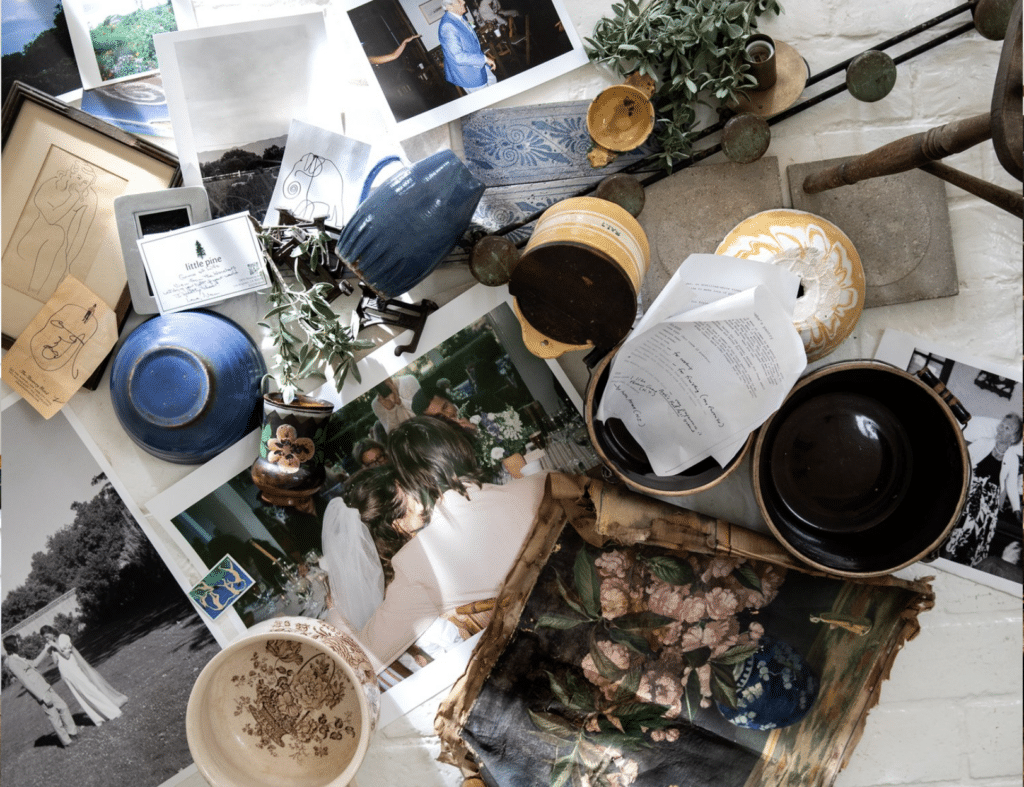
Sourcing luxury materials is a crucial step for designers who aim to create exceptional, high-end interiors and outdoor spaces. The right materials—ranging from natural stone to high-quality porcelain or premium woods—can transform a project, giving it sophistication, durability, and lasting appeal. Designers looking to elevate their work benefit from curated resources and tools that make sourcing these materials easier and more effective.
1. Why Material Selection Matters in Luxury Design
The materials you choose set the tone for any design project. They define not only the aesthetic but also the texture, feel, and longevity of a space. Consistency in material selection ensures cohesion, whether for a single room, a full home, or an outdoor environment. For example, JSiemering Homes’ guide to outdoor living spaces emphasizes the importance of using a unified material palette for patios, terraces, and pool areas, creating a seamless transition between indoor and outdoor spaces.
High-end finishes can include polished stone countertops, artisanal tile, brushed metals, or soft textiles that complement your color scheme. Each material should be evaluated for durability, maintenance, and how it interacts with light and surrounding textures. Thoughtful selection elevates the user experience, making the space feel both luxurious and functional.
2. Top Resources for Sourcing Luxury Materials
Designers now have access to a wealth of curated resources for sourcing premium materials. The Agency de la Mode provides a collection of luxury brands and exclusive products perfect for interiors, exteriors, and specialty projects. Online platforms, material libraries, and supplier directories allow designers to explore textures, compare finishes, and connect with manufacturers, making the selection process more efficient and reliable.
Platforms like Lemon8 and design-focused social media channels are excellent for discovering trending materials, new textures, and innovative finishes. By combining traditional material showrooms with online inspiration boards, designers can keep up with the latest in luxury design while ensuring the quality and exclusivity of their selections.
3. Combining Materials with Technology for Modern Spaces
Luxury design is evolving beyond aesthetics—technology plays an increasingly important role. Integrating smart home systems, automated lighting, climate control, or high-tech outdoor features allows designers to create spaces that are not only visually stunning but also highly functional. JSiemering Homes highlights how combining premium finishes with cutting-edge tech can elevate the sophistication and usability of a space. For instance, pairing a natural stone outdoor kitchen with smart lighting and weather-resistant finishes creates a seamless, modern entertaining area.
4. Practical Tips for Designers
-
Consistency is key: Keep material palettes cohesive across the project.
-
Test combinations: Always evaluate how different textures, colors, and finishes work together.
-
Plan for lifestyle: Select materials based on how spaces are used—durable yet elegant for high-traffic areas.
-
Stay inspired: Follow design blogs, Pinterest boards, and social media trends to keep ideas fresh.
-
Collaborate: Work with suppliers, manufacturers, and craftsmen to explore unique finishes that enhance your project.
5. Bringing Your Vision to Life
A well-curated selection of luxury materials combined with thoughtful planning transforms ideas into reality. Material boards, mood boards, and digital tools allow designers to experiment with textures, layouts, and finishes before implementation. This approach minimizes errors, streamlines the design process, and ensures that every detail aligns with the client’s vision. By carefully sourcing high-end materials and integrating them with modern technology, designers can create sophisticated, functional, and timeless spaces.