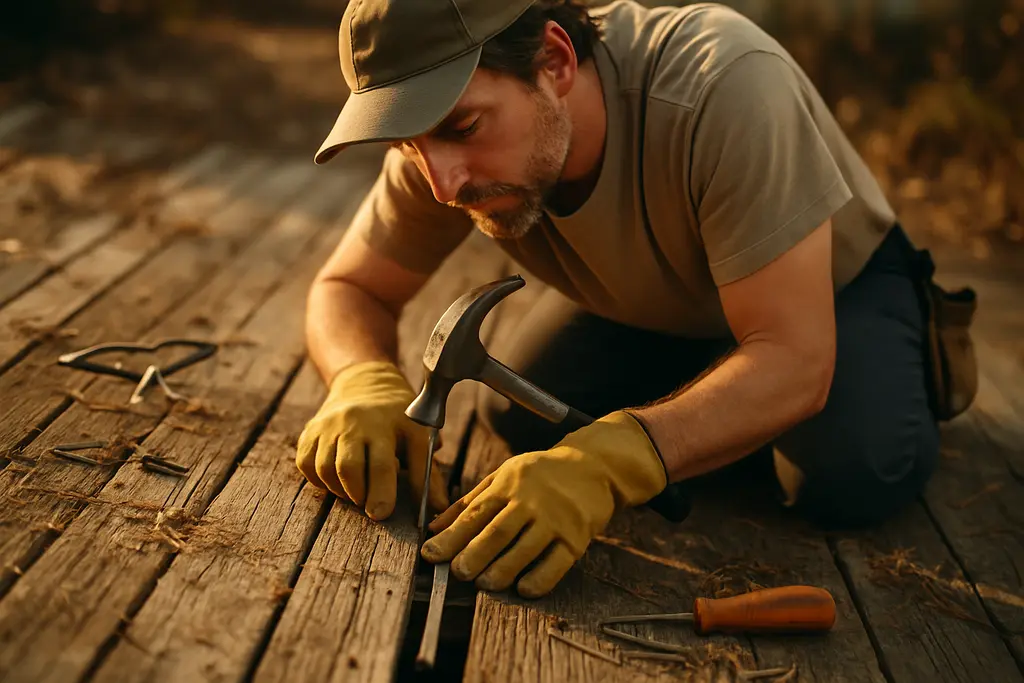
Outdoor design trends in 2026 are less about showpiece backyards and more about fixing worn areas, making spaces easier to use, and supporting ordinary routines. The 2026 U.S. Houzz Outdoor Trends Study surveyed 1,191 homeowners from April 25 to May 6, 2026, and found that 41% cited deteriorated or broken outdoor elements as the top trigger for starting outdoor renovation projects, according to the Houzz outdoor study.
That repair-first finding matters. A cracked patio, failing deck component, unstable railing, poor drainage area, or dark walking route is not just a design issue. It can affect how often the space is used and whether it feels safe enough for daily life. From a design strategy perspective, the most durable plan starts with conditions, not inspiration photos.
Outdoor Design Trends Start With Repair Needs
Outdoor Design Trends And Project Triggers
The same Houzz research found that 25% of renovating homeowners said their primary motivation was to make outdoor spaces more accommodating, up 3 percentage points from 2024. The practical reading of these outdoor design trends is clear: many households are not treating outdoor work as a cosmetic extra. They are trying to make yards, patios, and decks support eating, sitting, working, reading, and gathering with less friction.
That does not mean every project needs a full rebuild. A cautious plan should separate urgent repair, comfort improvements, and optional features. If the project involves structural deck work, gas lines, permanent wiring, plumbing, drainage corrections, or major changes near property setbacks, homeowners should involve qualified professionals and local permitting offices rather than treating the work as a weekend experiment.
Why Resale Is A Weaker Driver
Houzz’s professional trend coverage reported that only 15% of homeowners said improving resale value was a motivator in 2026, down 3 points from 2024; it also noted that 12% of homeowners upgrading a structure added or renovated an outdoor kitchen, and that 95% of those kitchen projects were built from scratch, up 7 points since 2024, according to Houzz Pro trend analysis.
That shift does not remove resale from the conversation, but it should keep expectations grounded. Outdoor renovations can support home enjoyment, but no single patio, kitchen, pergola, or seating area should be treated as a promised financial return. A safer design brief asks: What needs repair? Which space is used most often? What will be maintainable? Which parts require licensed trade work?
Plan Seating For Ordinary Weeknights
Furniture Should Match Real Use
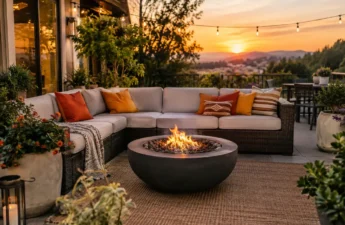
Houzz reported that 83% of renovated outdoor spaces include a lounge or seating area. Of those spaces, 71% include sofas or lounge chairs. That points to a steady move away from purely decorative yards and toward outdoor rooms that can carry daily use. Still, the difference between a usable seating area and an expensive staging zone is planning.
Before choosing furniture, homeowners should measure clear paths from the house to the seating area, the grill area, gates, and steps. A coffee table or side table may be useful, and Houzz found that 55% of lounge or seating areas include one, but placement matters. Tables should not force people into narrow walkways or create tripping points near changes in level. For renters or homeowners testing a layout, temporary furniture placement can reveal circulation problems before money is spent on permanent hard surfaces.
Lighting Is A Safety Choice
Houzz found that 66% of outdoor lounge and seating areas feature outdoor lighting. That statistic is not just about mood. Lighting affects whether people can see steps, furniture edges, thresholds, pets, cords, and changes in paving after dark. Smart-home technology can help if it is used with restraint: timers, dimming scenes, motion response, and app-based control can support regular routines. The wiring, fixture ratings, transformer placement, and outdoor power connections should be handled according to product instructions and, where needed, by qualified electricians.
A useful lighting plan usually includes more than one brightness level. Cleanup may need stronger light than a quiet evening. Pathways may need consistent visibility even when seating lights are dimmed. The goal is not to flood the yard, but to make movement predictable and reduce dark gaps.
Shade, Kitchens And Smart Controls Need Boundaries
Shade Before Gadgets
Research notes from Houzz show that shade structures rose 15 percentage points since 2024 to reach 35%. That increase fits a practical pattern: if a deck or patio is too exposed during the hours a household wants to use it, furniture and technology will not solve the core problem. Shade can come from built structures, umbrellas, or other planned cover, but each option has installation and safety limits.
Permanent structures should be evaluated for wind exposure, anchoring, drainage, and local requirements. Homeowners should be cautious about attaching shade elements to existing exterior walls, rooflines, or decks without professional review. A poorly attached cover can create problems that are more serious than the sun exposure it was meant to address.
Outdoor Kitchens Usually Need Professionals
Outdoor kitchens are often presented as lifestyle upgrades, but the Houzz data suggests they are frequently new builds rather than minor add-ons. Since the research notes that 95% of these kitchen projects are built from scratch, homeowners should expect coordination among surfaces, appliance placement, ventilation, weather exposure, utilities, and cleanup routes.
Gas, electrical, and plumbing work should not be improvised. A modest prep counter near the indoor kitchen may serve many households better than a large outdoor cooking station with systems they rarely use. For a related planning angle on comfort, lighting, and daily-use priorities, see this site’s piece on outdoor spaces for everyday use.
Groundcover, Hard Surfaces And Exterior Color
Grass, Turf And Hard Surface Trade-Offs
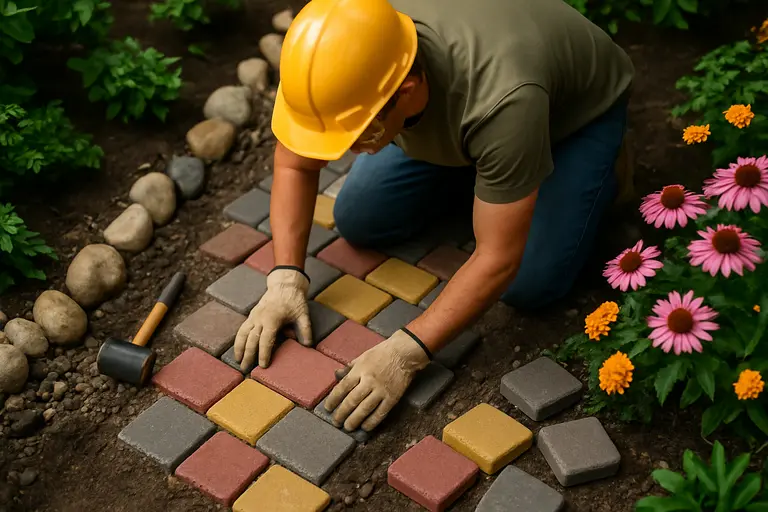
The research notes show changing groundcover choices. Among homeowners replacing original lawns, 63% chose natural grass, a 9-point drop from 2024. Synthetic turf rose 10 points to 19%, while hardscaping rose 7 points to 57%. Those figures do not identify one universally better option. They do show that homeowners are weighing maintenance, use patterns, and surface durability differently than they did two years earlier.
Each surface has trade-offs. Natural grass may fit play areas and cooler visual character, but it still needs care. Synthetic turf may reduce some maintenance tasks, yet homeowners should ask about heat, drainage, base preparation, and product lifespan before choosing it. Hard surfaces can support furniture and circulation, but they need slope, drainage planning, and slip-conscious material choices. If runoff, grading, retaining edges, or major excavation are involved, professional guidance is the safer route.
Color Trends Need Local Testing
The research notes also point to exterior color shifts: beige walls doubled in popularity from 10% in 2024 to 24% in 2026, while black trim rose 17 points to 39%, overtaking white, which fell to 19%. These choices can sharpen an exterior, but color should be tested on the actual home before full application.
Light exposure, roof color, masonry, neighboring materials, and existing windows can change how a finish reads. Dark trim may highlight proportions, but it can also make uneven details more visible. Neutral walls may calm a busy exterior, yet the wrong undertone can clash with stone, brick, or concrete. Paint samples and small-area mockups are low-risk steps compared with repainting after installation.
Everyday Outdoor Design Trends For Safer Homes
Questions To Ask Before Committing
A grounded outdoor plan should begin with use, safety, and maintenance before style. Homeowners can keep the process practical by asking a short set of questions before approving drawings or purchases:
- Which broken or deteriorated elements need repair before any design upgrades?
- Where do people walk after dark, and is the lighting adequate for those routes?
- Will seating, tables, and cooking zones leave clear paths to doors, gates, and steps?
- Does the project involve gas, electrical, plumbing, structural, or drainage work that needs a qualified professional?
- Can the chosen materials be maintained by the household that will actually live with them?
For additional insights on navigating housing choices, visit Jimmy Guthrie Real Estate, a related site within the same network. For the design work itself, the safer position is to avoid chasing every feature at once. Treat outdoor design trends as signals, not instructions. The strongest projects in 2026 are likely to be the ones that repair what is failing, make daily routines easier, and use smart-home features only where they support comfort, visibility, and control.