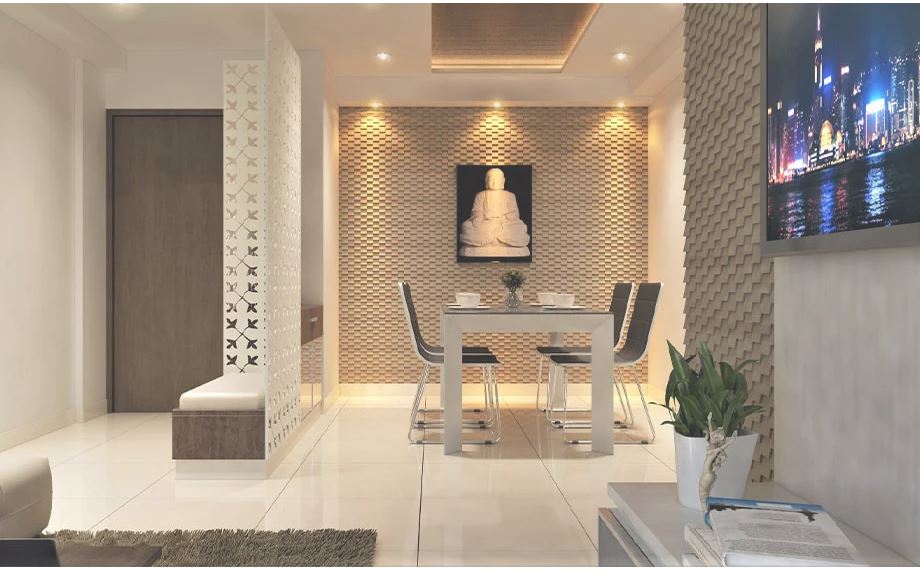
Lighting dictates the entire atmosphere of a house. The specific color of the light emitting from your fixtures influences human mood, daily productivity, and nighttime relaxation. Countless homeowners struggle with bulb selection, ending up with a harsh clinical environment or a dim, yellowed space. The solution lies in color temperature. Selecting the proper bulb transforms basic architecture into a truly functional, welcoming environment.
The Science Of Color Temperature
Color temperature measures the visual appearance of light. The global lighting industry measures this light on the Kelvin (K) scale. The scale operates differently than standard thermal temperature measurements. Lower numbers indicate warmer, red-toned light. Higher numbers indicate cooler, blue-toned light.
A traditional candle flame sits around 1500K. A standard legacy incandescent bulb registers at exactly 2700K. Bright midday sunlight reaches up to 6500K. Knowing these exact numbers helps buyers avoid costly lighting mistakes. You can look at the printed packaging on any modern LED bulb and find the exact Kelvin rating. This specific number serves as the baseline for all residential lighting design.

Characteristics Of Warm Lighting
Warm light falls strictly between 2700K and 3000K. This range produces a soft, yellowish-white glow. Humans naturally associate these tones with sunset or firelight. These biological associations trigger the brain to relax and wind down after a long day.
Residential designers heavily favor this temperature range for spaces meant for comfort. The soft glow flatters skin tones and makes natural wood finishes appear far richer. In historical homes or traditional architecture, warm light highlights the natural patina of building materials. Rooms bathed in 2700K light feel intimate, cozy, and inviting.
Characteristics Of Cool Lighting
Cool light ranges from 3500K to 5000K. This spectrum pushes into crisp white and blueish tones. The bright, clear nature of cool light closely mimics daytime sun. Direct exposure to these specific wavelengths signals the human brain to stay alert and highly focused.
Workspaces require this level of intense clarity. The crisp light reduces eye strain during detailed physical tasks. Colors appear much closer to their true daylight hue under cool bulbs. Contemporary homes often benefit from 3500K or 4000K lighting to complement sleek surfaces, polished glass, and metallic hardware. Anything registering above 5000K typically belongs in commercial garages, warehouses, or hospitals.
Matching Light Temperatures To Specific Rooms
Every room serves a distinct daily function. The lighting choices must directly reflect that specific utility.
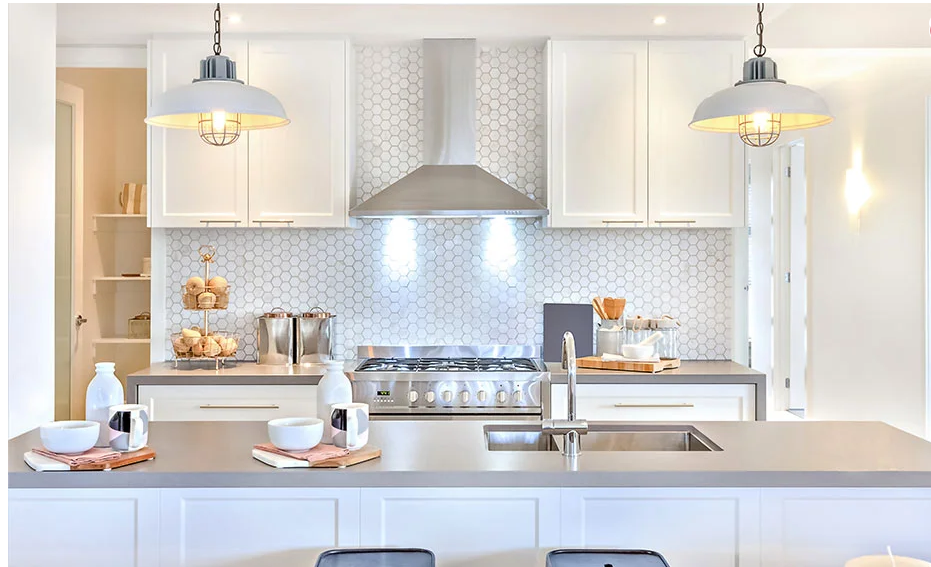
The Kitchen Workspace Kitchens demand extreme precision. Chopping vegetables and reading fine print on recipes require excellent visibility. A 4000K bulb provides the bright, clean light necessary for these manual tasks. The cooler temperature makes white cabinetry pop and helps maintain a highly hygienic visual appearance. Over dining islands, a slightly warmer 3000K pendant creates a pleasant transition from intense prep work to casual eating.
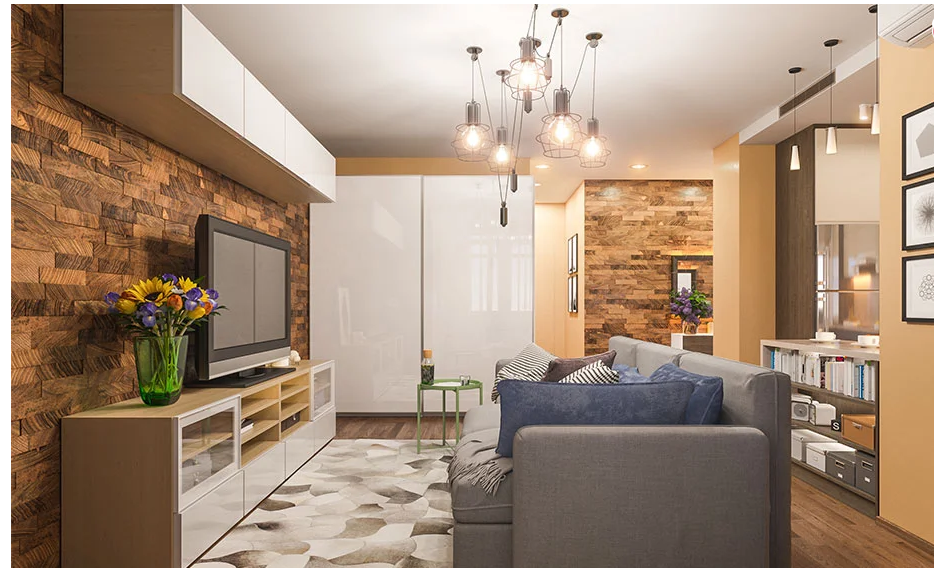
The Living Room Environment Living rooms host a variety of evening activities, from reading to movie nights. Warm lighting reigns supreme here. A baseline of 2700K creates a comfortable atmosphere for gathering. When planning a custom home design, architects often implement recessed ceiling fixtures at this exact temperature to establish a welcoming baseline. You want guests to feel entirely at ease the moment they sit down on the sofa.
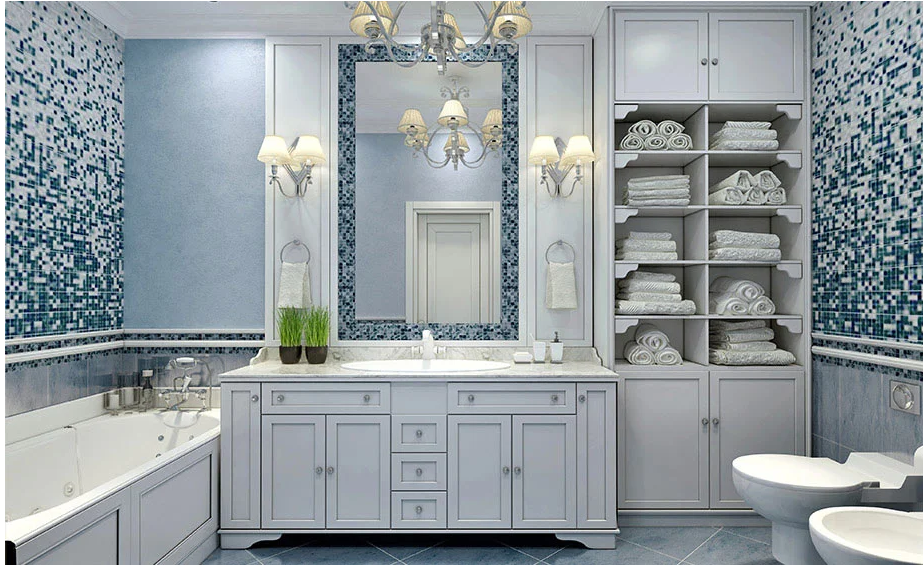
The Bathroom And Grooming Areas Bathrooms require bright, highly accurate light. Applying makeup or shaving under warm, yellow light leads to poor visual results outdoors. You need a bulb that renders color with high fidelity. A 3500K to 4000K fixture placed near the mirror works best. The Illuminating Engineering Society publishes standard guidelines recommending higher color rendering indexes for bathroom vanity fixtures to guarantee accurate reflection.
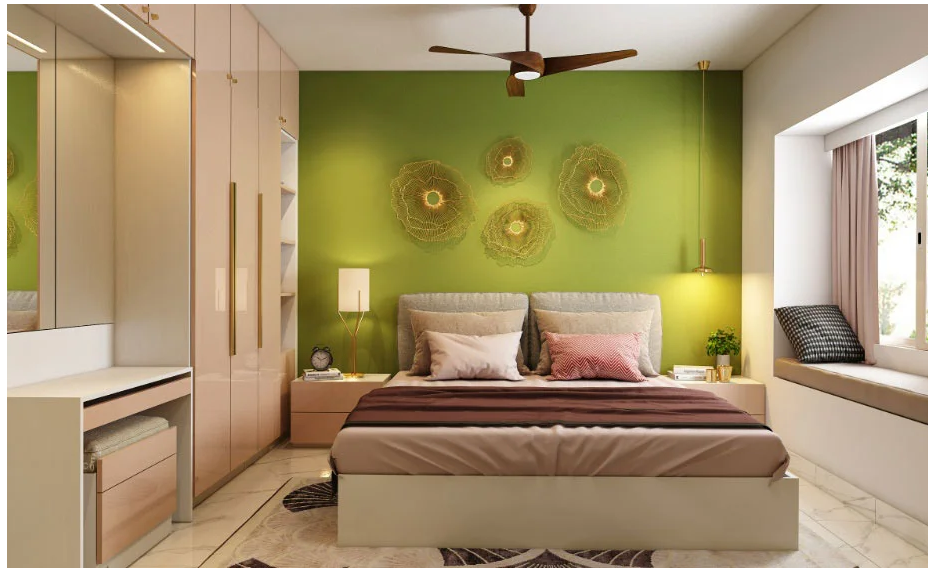
The Bedroom Sanctuary Bedrooms serve one primary biological purpose: rest. The brain needs a complete break from blue light wavelengths to produce melatonin. Stick exclusively to 2700K or even warmer 2400K bulbs in bedside lamps. The amber glow prepares the body for sleep. Overhead fixtures should remain warm and fully dimmable.
Layering Light For Maximum Impact
Relying on a single light source leaves a room feeling entirely flat. Good lighting design utilizes multiple distinct layers. Ambient light provides general room illumination. Task light illuminates specific physical work areas. Accent light highlights architectural features or expensive artwork.
You can mix color temperatures within the same room by assigning them to different physical layers. A kitchen might use 4000K for under-cabinet task lighting. The ceiling cans might run at 3000K for general room ambiance. A living room could feature 2700K table lamps and a 3000K spotlight highlighting a stone fireplace. The central goal is keeping the temperatures within a close range to avoid jarring visual clashes.
Measuring Lumens Vs Kelvin
Countless buyers confuse brightness with color temperature. These represent completely separate metrics. Lumens measure the actual brightness or pure light output of a bulb. A 1000-lumen bulb emits a high level of blinding brightness. Kelvin measures the visible color of that light.
You can buy a very bright warm bulb pushing 1000 lumens at 2700K. You can buy a very dim cool bulb pushing 300 lumens at 5000K. Controlling a room requires managing both numbers simultaneously. A formal dining room needs low lumens and a low Kelvin rating for a relaxed dinner service. A garage workshop needs high lumens and a high Kelvin rating for safe power tool operation.
Evaluating Color Rendering Index
Another critical metric impacts light quality far beyond the Kelvin scale. The Color Rendering Index (CRI) dictates how accurately a light source reveals the true colors of physical objects. The numerical scale runs from 0 to 100. Natural sunlight scores a perfect 100.
A low CRI bulb makes rich colors look washed out or grayed. Two separate bulbs can both measure exactly 3000K, but a low CRI bulb will make the room look lifeless. High-end residential lighting demands a CRI of 90 or higher. This exact metric matters most in kitchens, bathrooms, and walk-in closets where color accuracy dictates daily routines. Checking the printed packaging for a 90+ CRI rating prevents total disappointment after installation.
The Impact Of Light On Paint And Materials
Light temperature physically alters how the human eye perceives wall paint colors. A cool gray wall under a 2700K bulb takes on a muddy, greenish tint. That exact same gray wall under a 4000K bulb looks crisp, clean, and modern.
Homeowners frequently select paint samples in a retail store under fluorescent commercial lighting. They paint their walls at home and hate the final result. You must test paint swatches under the exact Kelvin temperature you plan to use in the finished room. Warm light intensifies reds, oranges, and yellows. Cool light amplifies blues, greens, and cool whites.
Wood floors react in the exact same manner. Red oak floors appear overly orange under warm light. A cooler bulb neutralizes those heavy amber tones. Selecting lighting fixtures before finalizing paint and flooring prevents expensive whole-house redesigns.
Transitioning Between Open Concept Spaces
Modern residential architecture favors open floor plans. The kitchen flows directly into the dining area and formal living room. Changing bulb temperatures abruptly from one zone to another creates a disjointed, chaotic aesthetic.
You need a cohesive strategy for wide open spaces. A common approach involves selecting 3000K for all overhead ambient lighting across the entire open floor plan. This creates a unified overhead canopy of light. You then differentiate the zones using localized task lighting. The kitchen counters get 4000K under-cabinet LED strips. The living room gets 2700K floor lamps. The eye registers the seamless overhead light but greatly benefits from the functional local lighting layers.
Smart Lighting Solutions
Modern technology offers a simple way out for those who cannot commit to a single temperature. Tunable LED bulbs allow users to adjust the exact color temperature via a smartphone app. You can program the house to shine at a crisp 4000K during a morning workout and seamlessly shift to 2700K during evening dinner.
This high level of flexibility aligns lighting with the natural human circadian rhythm. The house actively mimics the sun. Morning light starts bright and cool. Evening light dims and warms down. Installing these intelligent systems during the initial build phase streamlines the electrical wiring process.
Finalizing Your Lighting Strategy
Lighting dictates the function and aesthetic of a home. Learning the Kelvin scale empowers you to make informed structural decisions. Warm light provides profound comfort and intimacy. Cool light delivers total clarity and focus. Assigning these temperatures based on exact room function guarantees a practical living space. Treat light bulbs as a foundational design element rather than an afterthought.