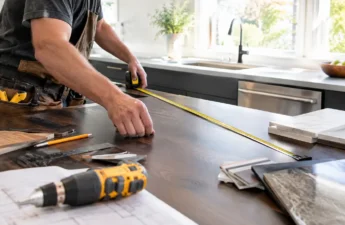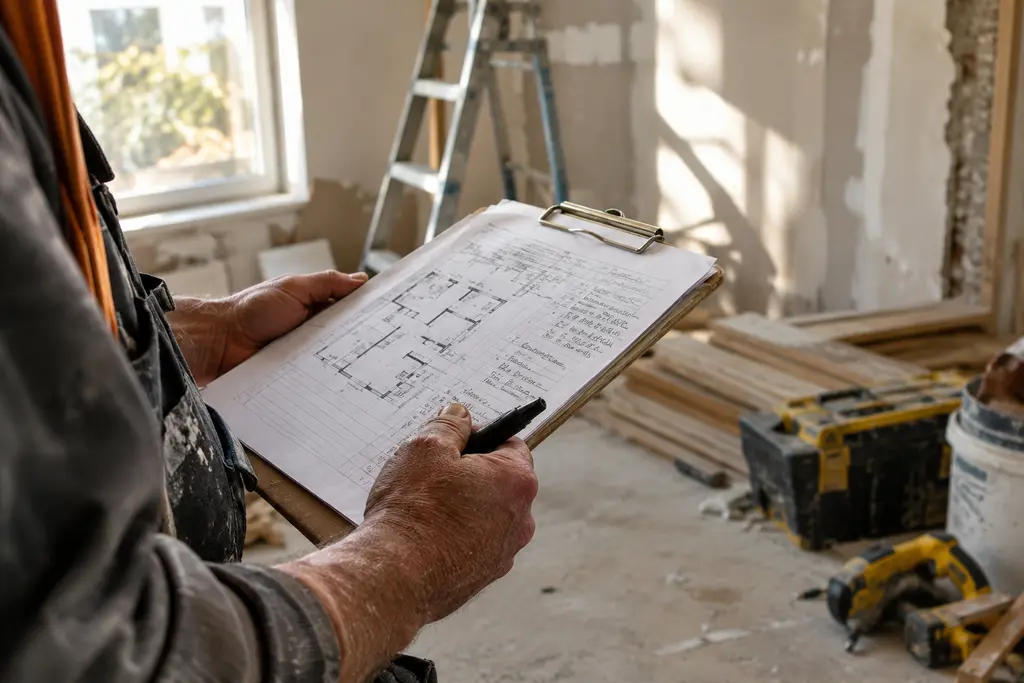
The professional labor shift in home improvement is not just a design trend or a contractor marketing point. Angi released its first Home Oops Report on October 14, 2026, based on a September 16, 2026 survey of 1,000 U.S. homeowners, and the results showed how often small repair choices turn into larger household costs Angi Home Oops Report. For everyday owners, the useful lesson is not that DIY is bad. The lesson is that project scope, timing and risk need to be sorted before the first tool comes out.
The report found that 78% of homeowners had experienced at least one “home oops” over the prior three years, including DIY mistakes, delayed repairs and inherited problems. The average was more than three mishaps per homeowner. Those mishaps cost an average of $3,166 over three years, and 39% of homeowners spent $1,000 or more correcting them. Those figures do not prove that every homeowner should hire out every task, but they do make a strong case for safer project screening.
Why The professional labor shift Is Showing Up In Budgets
professional labor shift Case Pattern: The Half-Finished Repair
A common case pattern from the data is the project that starts as a money-saving repair and ends as a paid correction. Angi reported that DIY mistakes alone cost homeowners an average of $1,171 to correct. Among homeowners who had DIY errors, 43% spent $500 or more. In 52% of cases where a DIY project went wrong, a professional was eventually needed to finish or correct the work.
That is where the professional labor shift becomes practical rather than abstract. The choice is not always “DIY or contractor.” Many households are learning that the first decision should be whether the homeowner can safely complete the task to an acceptable standard, including cleanup, finishing and follow-up checks. If the answer is uncertain, getting a qualified estimate early may be less frustrating than paying for correction after damage has spread.
The Budget Signal Behind Delayed Work
The same report showed another pattern: waiting can be costly. Thirty percent of homeowners delayed a repair. Among those who delayed, 83% paid more than they would have if they had addressed the issue promptly, and the average extra cost for waiting was $1,645. That does not mean every minor cosmetic defect needs immediate professional attention. It does suggest that active leaks, moisture signs, pest entry, unsafe stairs, electrical concerns, gas concerns and structural movement should not sit on a casual weekend list.
For owners who track maintenance across a primary house and a getaway property, the same planning discipline matters. A network associated with getaway homes, such as Weekend Villas, can serve as a reminder that even minor problems can escalate without regular oversight. The safer approach is to document issues, separate cosmetic wants from safety needs, and price the riskiest work before a delay becomes the expensive part of the story.
Home Oops Case Patterns For Safer Planning
What The Numbers Say About Calling Earlier
One of the clearer lessons in the Home Oops Report was homeowner regret. As a result of mistakes or delays, 33% of homeowners said their biggest lesson was to call a pro sooner. Another 30% said they should have addressed the issue immediately, while 27% said they were more likely to hire a pro in the future. These are retrospective findings, not predictions, but they fit what many remodelers see in the field: the repair that felt inconvenient in month one can become a larger repair after months of moisture, wear or repeated temporary fixes.
The professional labor shift is also visible in broader spending patterns. Harvard’s Joint Center for Housing Studies reported that in 2023, professionally installed work accounted for 84.1% of aggregate homeowner improvement expenditures, the largest share recorded, while DIY’s share dropped to 15.9% Harvard JCHS spending analysis. The same analysis said the DIY share of discretionary projects, including kitchen and bath remodels and room additions, fell from 31.5% in 1995 to 19.1% in 2023.
A Safer Way To Read A DIY Failure
A DIY failure should not be treated as a personal defeat. It is often a scope mismatch. Painting a bedroom, changing cabinet hardware or assembling storage can be reasonable homeowner work when the space is safe and the tools are familiar. By contrast, projects involving electrical systems, gas lines, major plumbing, roofing, structural framing, high ladder work or unknown water damage deserve a much lower risk tolerance. The practical question is not whether a homeowner is capable in general. It is whether the specific task carries consequences that are expensive or unsafe if done wrong.
This is also where a hybrid approach can help. A homeowner may handle demolition only after hazards are ruled out, or may paint after a qualified trade has completed the repair. That division can preserve some labor savings without turning high-risk work into trial and error. For a closer look at planning around overruns and delayed repairs, the site’s home repair budgeting lessons are a useful companion to this case-study view.
Where DIY Still Fits Without Taking On Too Much Risk
Use A Pre-Project Screen Before Buying Materials
The professional labor shift should not push homeowners into hiring for every improvement. It should push them into better sorting. Before buying materials, owners can ask whether the project affects safety systems, whether a failed attempt could hide damage, whether special tools are required, and whether the finished work will need inspection, manufacturer compliance or skilled finishing.
- Keep simple cosmetic work separate from repairs tied to water, power, gas or structure.
- Price professional help before starting if the repair has already failed once.
- Build a correction allowance into the budget for any task that involves unfamiliar materials.
- Stop work if hidden damage, active moisture, pests or unsafe conditions appear.
- Use written scopes and qualified trades for work that can affect occupant safety.
This kind of screen also reduces emotional spending. A homeowner who has already purchased tile, fixtures or tools may feel pressure to push ahead even after the project becomes riskier than expected. A short planning pause can prevent that sunk-cost pressure from steering the repair.
Budget Signals Homeowners Should Not Ignore

Cost Recovery Is Not The Same As Cost Control
Some homeowners justify difficult DIY work by focusing on resale value or cost recovery. That can be a shaky frame if the work creates defects that later need correction. The Home Oops Report did not measure resale value, so it should not be used to claim that professional work always pays back at sale. Its stronger lesson is cost control: mistakes and delays can create real repair bills before a house ever reaches the market.
A cautious budget should include more than materials. It should account for tool rental or purchases, disposal, time away from work, temporary loss of use, and the possibility that a professional may still be needed. If the professional estimate and the DIY budget are close after those items are included, the safer choice may be to hire the work from the start. If the homeowner still chooses DIY, the scope should be narrow, visible and reversible enough that a mistake does not spread into a larger system.
What The professional labor shift Means For Home Oops Planning
Using The professional labor shift Without Overreacting
The professional labor shift is best read as a planning correction, not a warning against homeowner skill. The data points to a middle path: keep manageable cosmetic tasks in the DIY column, move safety-sensitive work to qualified trades, and treat delays as budget risks rather than harmless pauses.
The Home Oops findings from October 14, 2026, are especially useful because they connect behavior to outcomes. Homeowners reported frequent mishaps, meaningful correction costs, and a clear lesson that many wished they had called earlier or acted sooner. For most homes, the practical response is simple: define the risk before defining the project. A repair plan that starts with safety, scope and timing is less likely to become the next costly “oops.”