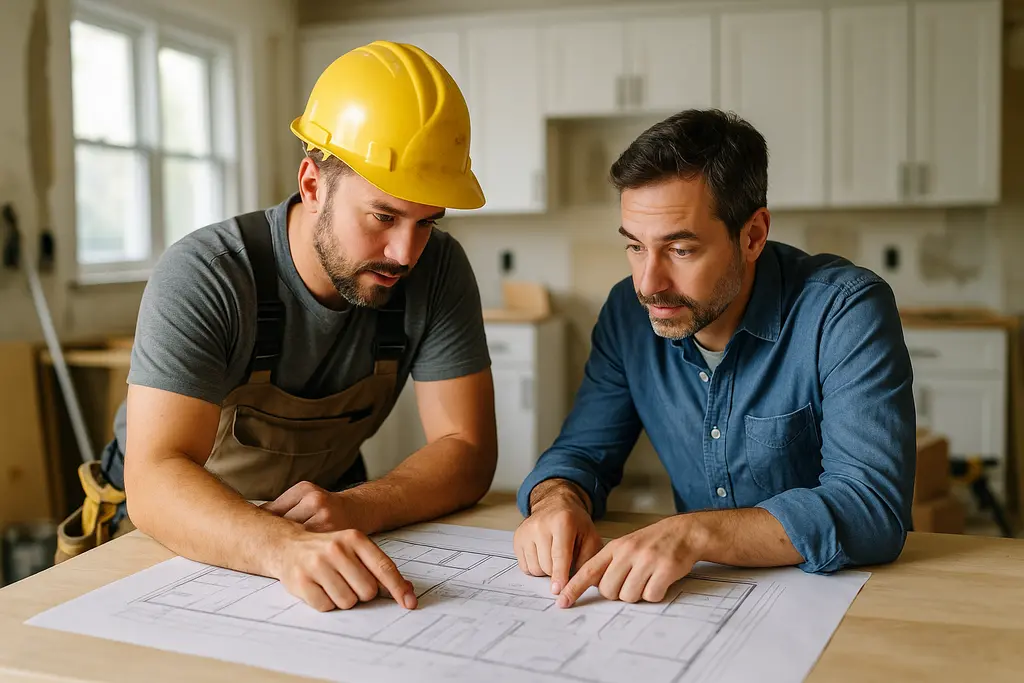
Safe Renovation Strategies matter more when the housing market makes every project feel harder to justify. Many owners are not renovating because they expect a quick resale gain; they are trying to keep older homes safe, workable, and adaptable for daily life. That shift calls for a practical filter: fix hazards first, protect the household during construction, and reserve licensed trades for work that affects electrical systems, plumbing, gas lines, structure, roofing, or code compliance.
Cost pressure is real. The Associated Press reported that homeowner spending on renovations and repairs was projected to fall 7% in 2024 to $449 billion, the first annual decline in more than a decade, while high remodeling costs continued to limit relief for buyers and owners AP renovation spending report. In that setting, the most defensible renovation plan is rarely the longest wish list. It is the one that ranks safety, function, and disruption risk before cosmetic upgrades.
Why Safe Renovation Strategies Start With Priorities
A sound renovation plan begins with a short list of nonnegotiables. Moisture damage, unsafe stairs, poor lighting at entries, failing handrails, insecure exterior doors, aging smoke detection, and rooms that no longer support the household’s needs should usually be evaluated before purely decorative work. A dated finish may be annoying, but a floor transition that causes trips or a bathroom that cannot be used safely by an older family member can affect daily life every day.
Safe Renovation Strategies For Occupied Homes
Many renovations happen while families remain in the home. That raises practical safety questions that can be missed during design discussions. Which entrance stays usable? Where will children or pets be kept away from tools and debris? How will dust be contained? Who controls keys, temporary access, and alarm settings? Good Safe Renovation Strategies answer those questions before demolition starts, not after the first inconvenience appears.
Occupied-home planning should also include a realistic schedule. If a kitchen or bathroom will be out of service, the household needs a temporary routine that does not depend on unsafe workarounds. For example, using extension cords as a long-term substitute for proper electrical service is not a safe plan. Asking a contractor to describe daily site shutdown, debris removal, and access control is a basic risk-management step, not an extra courtesy.
Function Before Finish Upgrades
Function is not the same as luxury. A more useful home may need better storage near an entry, a safer shower layout, wider clearances around furniture, improved task lighting, or durable flooring that tolerates real traffic. These changes can be modest in appearance while still improving how the home works.
Bathrooms deserve special caution because they combine water, electricity, ventilation, slippery surfaces, and limited space. Design decisions should be coordinated with qualified trades rather than treated as surface styling alone. For a room-specific example of how layout and systems interact, see this discussion of modern bathroom planning.
Budget Pressure And Labor Constraints
Renovation budgets are not just material lists. They are also labor availability, inspection timing, site protection, contingency funds, and the cost of living with a partially finished room. The Joint Center for Housing Studies at Harvard has identified skilled labor shortages as a challenge for the remodeling industry, while also pointing to urgent needs for energy efficiency and disaster resilience across the nation’s homes Harvard remodeling research. That combination explains why cautious planning matters: the work homeowners most need may be the work that requires the most qualified help.
What The Spending Data Suggests
A spending slowdown does not mean homes stop aging. It means owners may need sharper sequencing. In a constrained budget, replacing a functional countertop may wait if the same money is needed for water intrusion repair, safer steps, or an electrical evaluation by a licensed professional. The goal is not to make every room perfect at once. It is to prevent small problems from becoming larger, more disruptive projects.
This is where a written priority matrix helps. Divide potential work into safety, moisture control, access, daily function, energy performance, and appearance. Items that affect health, security, or the ability to use the home safely should move higher. Appearance-driven changes can still matter, but they should not consume funds needed for risk reduction.
Why Contractor Availability Changes The Plan
Labor constraints can stretch schedules and tempt homeowners to accept vague bids. Resist that pressure. A credible contractor should be able to explain scope, payment timing, insurance status, trade responsibilities, permit expectations, and how the site will be secured. Homeowners should not expect exact answers before investigation, especially in older homes, but they should expect clear communication about uncertainty.
For owners who are contemplating whether to renovate, delay, or rethink their housing plans, it can be enlightening to consult a related site like Jimmy Guthrie Real Estate LLC. This resource provides a broader market perspective, which may assist readers in framing their choices alongside local housing conditions, though project-level decisions still require qualified local contractors and inspectors.
Safety, Security, And Function During Construction
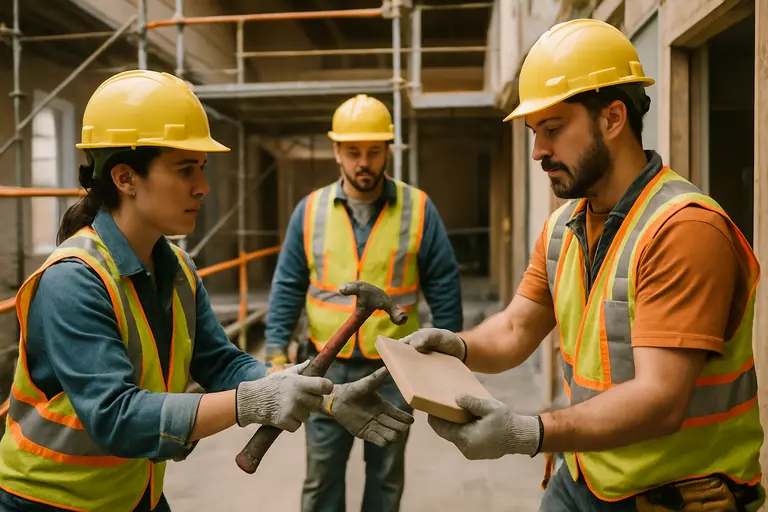
A renovation temporarily changes how a home protects its occupants. Doors may be removed, windows may be opened for work access, alarms may be disconnected, and normal routines may shift. That does not mean a project is unsafe by nature. It means security and fire-safety planning should be part of the preconstruction meeting.
Protect Daily Access And Temporary Storage
Ask who will be in the home, when work begins and ends, and how materials will be stored. Tools, fasteners, solvents, and demolition debris should not be left where occupants can be injured. Temporary barriers should be discussed for work zones, especially in households with children, older adults, or pets. If exterior access points are altered, agree on how the home will be locked at the end of each day.
Smart-home devices can support awareness during construction, but they should not be treated as a substitute for physical site control or professional installation where wiring is involved. Cameras, sensors, and connected alarms must be placed and configured in ways that do not interfere with the work or create privacy problems for workers and occupants. If a security system is temporarily offline, the homeowner should know exactly when and why.
Know Where DIY Should Stop
DIY work can be reasonable for painting, furniture assembly, basic storage improvements, and other low-risk tasks if the homeowner follows manufacturer instructions and uses proper protective equipment. The boundary changes quickly when the work touches structure, wiring, plumbing, gas, roofing, stairs, exterior openings, or life-safety systems. In those areas, a mistake can create fire, leak, collapse, or injury risk that is not worth the apparent savings.
Safe Renovation Strategies should also account for permits and inspections without turning the homeowner into a code expert. Local requirements vary, and official code offices or licensed professionals should be consulted for project-specific direction. A cautious owner asks early rather than discovering late that finished work must be opened for inspection.
Practical Safe Renovation Strategies For Market-Challenged Homes
The strongest renovation plans are usually plain on paper: define the problem, confirm the risk, price the work, choose qualified help, and preserve funds for surprises. That approach may not produce a dramatic reveal, but it is more useful for households trying to stay safe and functional in a difficult cost environment.
A Priority Framework For Homeowners
- Start with hazards: Address trip risks, moisture problems, failing exterior security, poor lighting, and life-safety concerns before decorative work.
- Separate needs from preferences: A safer entry, usable bathroom, or secure door usually ranks above a finish change.
- Plan for the occupied home: Confirm access, dust control, debris handling, daily shutdown, and temporary routines.
- Use licensed pros for high-risk trades: Electrical, gas, plumbing, structural, roofing, and life-safety work should not be improvised.
- Budget for unknowns: Older homes can reveal hidden damage after work begins, so avoid spending every dollar on visible finishes.
- Document scope clearly: Written expectations reduce disputes and make it easier to compare bids fairly.
A cautious plan for Safe Renovation Strategies accepts that renovation is disruptive and sometimes expensive. It also recognizes that doing nothing can carry its own cost when a home no longer supports safe daily use. By ranking safety, function, security, and qualified labor ahead of style-driven changes, homeowners can make better decisions without assuming that every project will pay back at resale.