Soft yard design is a practical shift away from treating the yard as a flat lawn with furniture placed on top. The stronger model blends planting, shade, privacy, walking routes and small gathering areas so the outdoor space feels comfortable without becoming harder to care for. For homeowners and renters with permission to make changes, the safest starting point is not a dramatic rebuild. It is a careful review of how the yard handles sun, foot traffic, water, visibility and daily use.
The 2026 trend data supports that shift, but it should be read with caution. Trends can point to what homeowners are requesting, not what every property needs. A shaded, layered yard may be useful in one climate and unsuitable in another without changes to plant selection, drainage and maintenance. The goal is to create an inviting outdoor area that fits the site rather than copying a photograph.
Soft Yard Design Starts With Less Lawn
The strongest signal in 2026 outdoor planning is that traditional lawn area is shrinking. Yardzen’s 2026 Outdoor Living Trend Report, published on July 8, 2026, reported that requests for native planting, pollinator gardens and climate-adapted species increased by 23% year over year, while traditional lawn square footage declined by 25% year over year as homeowners replaced portions with native grasses, clover blends, gravel gardens or layered groundcovers, according to the Yardzen trend report.
Soft Yard Design Signals From 2026
Those numbers do not mean every lawn should disappear. Lawn can still support play, pets and visual openness. The more useful takeaway is that a single surface is no longer the default answer for the whole yard. A smaller lawn panel, a planted edge, a shaded sitting area and a firm path can make a yard feel more useful than a large lawn that is difficult to maintain or uncomfortable in full sun.
For many sites, soft yard design begins with subtracting rather than adding. A homeowner might reduce turf in low-use corners, under tree canopies or along fence lines where grass struggles. Those areas can become planting beds, gravel zones or groundcover transitions. The practical test is simple: if a patch of lawn is rarely used, repeatedly stressed or hard to water evenly, it may be a candidate for a softer treatment.
What Less Lawn Changes On Site
Reducing lawn changes how people move through the yard. Paths need to remain clear, stable and visible. Edges should not create tripping points, especially near patios, steps, gates or play zones. If gravel is used, it should be contained well enough that it does not scatter across walking surfaces. If groundcovers are used, their mature spread should be considered before planting near steps or narrow passages.
Drainage deserves attention before any lawn conversion. A low spot that stays wet after rain should not be covered with furniture or a dense planting plan without understanding where the water goes. If the project involves grading, retaining walls, trenching, drainage tie-ins or work near utilities, it is safer to bring in qualified professionals rather than treating it as a weekend planting task.
Planting, Privacy And Shade Should Work Together
Inviting yards usually depend on comfort before decoration. The Yardzen report also found privacy-focused outdoor design elements rose 10% year over year, while requests for shade and cooling features increased by 13%. Those requests align with how many households actually use outdoor space: people stay longer where they feel less exposed and less overheated.
Native Planting As A Practical Base
Climate-adapted planting can support a softer yard without creating a high-maintenance display. The research points to interest in native planting and pollinator gardens, but homeowners still need local guidance. A plant that works in one region may fail in another due to soil, heat, winter conditions or water limits. Local extension resources, reputable nurseries and licensed landscape professionals can help match species to the site.
A cautious soft yard design uses planting in layers. Low plantings can soften patio edges. Medium-height shrubs or grasses can create partial screening. Taller planting can shape views without forming a solid wall. This approach often feels more relaxed than a hard privacy barrier, though it takes time to mature. Homeowners should plan for the eventual size of plants rather than the container size at purchase.
Comfort Without Blocking Airflow
Privacy and shade should not make the yard feel closed in. Dense screening can trap heat or limit sightlines near entries and side yards. Shade structures, umbrellas and trees all need enough clearance for movement and maintenance. Any structure attached to the home, wired for lighting or built near property lines may require permits or professional review.
For broader leisure-property ideas that connect outdoor comfort with relaxed home settings, Weekender Villas offers related inspiration for creative yard planning. Still, the safest design choices come from the conditions of the specific yard: sun path, slope, prevailing views, access points and how many people will use the space at one time.
Plan Circulation Before Buying Furniture
Furniture often gets selected too early. A yard may look generous in photos yet feel awkward if chairs block doors, paths cross through planting beds or guests must step over edging to reach a dining table. Outdoor rooms work better when circulation is drawn first and furniture is chosen second.
Safe Paths And Edges
Walking routes should connect the house, patio, gate, trash area, garden beds and storage without forcing people across wet grass or loose planting soil. Surfaces should be appropriate for regular use, not just appearance. A soft yard can still have structure: clear thresholds, defined routes and visible edges reduce the chance of stumbles during evening use or after rain.
Lighting should be planned with restraint and safety in mind. Low-glare path lighting can make circulation easier, but electrical work outdoors carries risks from moisture exposure and improper installation. Homeowners can select fixture styles and decide where light is needed, but permanent wiring should be handled by qualified tradespeople. Solar fixtures may be simpler to place, yet they still need testing for brightness, stability and placement.
Everyday Use Before Resale
The 2026 U.S. Houzz Outdoor Trends Study, reported on July 9, 2026, found that 25% of homeowners doing outdoor renovations were motivated by making outdoor areas more accommodating to everyday life, up from 22% in 2024, while resale-related motivation fell to 15% from 18%, according to Houzz outdoor research. That shift supports a practical planning question: what will make the yard easier to use on an ordinary weekday?
For some households, that answer is a shaded coffee spot. For others, it is a safe route from kitchen to grill, a small play area, a dining pad or a quiet seat screened from neighbors. A related planning method is to divide outdoor space into functions before selecting materials; this is covered in more detail in multifunctional outdoor space planning.
Maintenance, DIY Boundaries And Professional Help
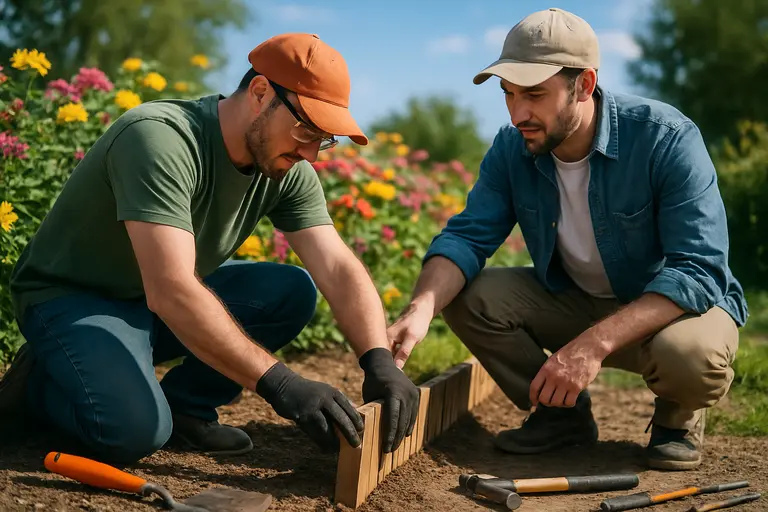
A softer yard is not automatically a lower-maintenance yard. It may reduce mowing, but it can add seasonal pruning, weeding, mulching, irrigation checks and plant replacement if the design is poorly matched to the site. Claims about effortless yards should be treated skeptically. The better goal is predictable maintenance that fits the household’s time and skill level.
Where Homeowners Can Start
Small, reversible projects are reasonable starting points. Homeowners can map sun and shade across the day, mark muddy areas after rain, observe where people naturally walk and test seating locations before installing permanent features. Container plants, movable chairs and temporary shade can reveal whether a layout works before money is spent on paving or built structures.
- Keep main walking routes clear before adding planting beds.
- Use temporary markers to test bed shapes and furniture clearances.
- Check mature plant size before buying in quantity.
- Avoid placing loose materials where they can migrate onto steps or smooth paving.
- Plan storage for cushions, tools and seasonal items before the yard fills up.
Work Better Left To Pros
Some outdoor work has a higher risk profile than it appears to have. Electrical installations, gas lines, major drainage changes, retaining walls, structural shade covers, large tree work and significant grading should be reviewed by qualified professionals. Renters should get written permission before changing planting beds, irrigation, fencing or surfaces. Homeowners should check local permit requirements before building permanent features.
Soft yard design is not a substitute for site planning. It is a design direction that needs sound execution. The softer the planting and edges become, the more important it is to maintain safe movement, manage water and avoid hidden hazards around steps, utilities and nighttime routes.
Soft Yard Design Priorities For Real Homes
The best soft yards are calm because they are edited, not because they are empty. They reduce unused lawn, add climate-aware planting, provide shade where people actually sit and use privacy measures that feel protective without cutting the yard off from air and light. They also accept limits: some yards need professional drainage advice, some need simpler planting and some need a small patio more than another bed.
For a practical project, set priorities in this order: safe circulation, water behavior, shade, privacy, planting durability and maintenance capacity. Furniture, decor and accessories should follow those decisions. A soft yard design planned this way can make outdoor space more inviting without relying on fragile finishes, unrealistic upkeep or trend-driven choices that do not fit the property.