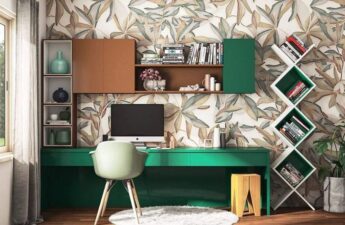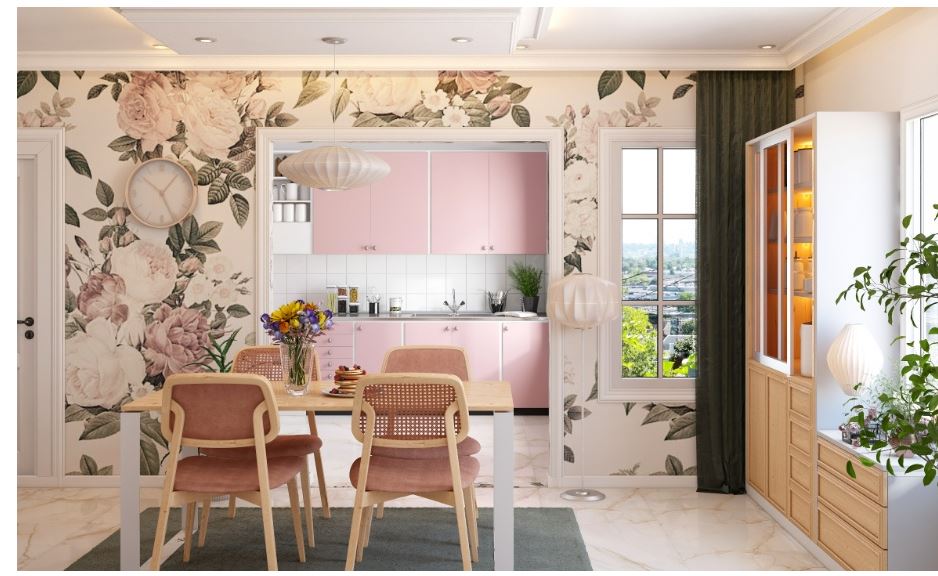
Residential architecture spent the last decade trapped in a monochrome box. Builders painted every wall a standard gray. Homeowners bought matching beige sofas. The trend prioritized future resale value over daily human joy. A distinct shift is occurring right now. People are rejecting sterile environments. They are embracing dopamine decor. This design philosophy abandons strict neutrality. It relies entirely on the deliberate application of intense color, nostalgic objects, and contrasting patterns. The goal is simple. The physical environment must trigger a positive chemical response in the human brain.
The Neurological Link Between Colour And Emotion
The term dopamine refers to a neurotransmitter responsible for feelings of reward and pleasure. Visual stimuli directly impact the release of this chemical. When the human eye processes highly saturated colors, the optic nerve sends immediate signals to the hypothalamus. This region of the brain regulates emotional responses. Different wavelengths of light trigger different biological reactions. Surrounding yourself with colors you personally love creates a continuous feedback loop of positive reinforcement. Your house literally makes you happier.
| Hue Category | Psychological Response | Common Architectural Application |
| Warm Reds and Oranges | Stimulates energy, increases heart rate | Dining rooms, social gathering spaces |
| Deep Yellows | Promotes optimism, mimics sunlight | Kitchens, breakfast nooks |
| Saturated Greens | Lowers cortisol, connects to nature | Home offices, reading libraries |
| Electric Blues | Encourages focus, provides visual depth | Primary bedrooms, transition hallways |
Rejecting The Sterile Minimalist Aesthetic
The previous era of interior styling demanded strict visual quietness. Minimalist spaces operate on the assumption that a lack of visual data equals mental peace. Human biology disagrees. Humans evolved outdoors in highly textured, visually dense environments. A completely white, empty room mimics sensory deprivation. The brain craves stimulation. Dopamine decor answers this biological need. It replaces empty surfaces with curated collections. It covers blank walls with expressive artwork. The space feels lived-in and deeply personal.
Chromatic Saturation And Spatial Perception
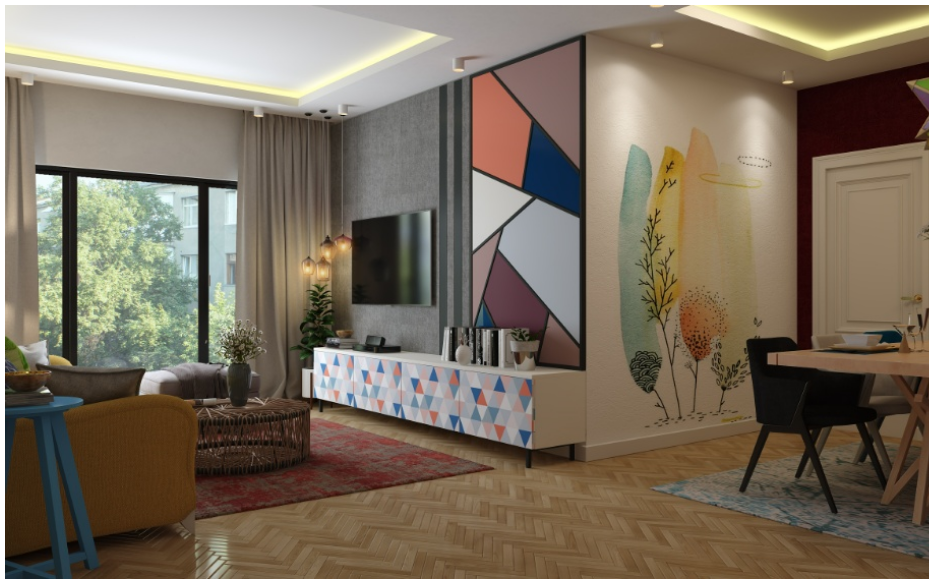
Color application alters the physical geometry of a room. Paint operates as a structural tool. Warm, intense colors advance visually. A room painted in a rich terracotta feels closer, tighter, and more protective. Cool colors recede. Painting a ceiling a deep, saturated blue pushes the visual boundary upward. This optical trick forces the eye into perceiving more vertical height. Mastering these visual mechanics allows designers to correct awkward floor plans without tearing down drywall. Saturated hues absorb shadows and hide architectural flaws beautifully.
The Role Of Nostalgia In Interior Design
Dopamine decor relies heavily on personal memory. Color alone cannot generate sustained happiness. The objects filling the room must carry emotional weight. Nostalgia acts as a powerful trigger for positive neurochemical release. Displaying inherited furniture, vintage art, or childhood collections creates a sense of safety and permanence. These items tell a specific story. A mass-produced vase holds zero emotional resonance. A chipped ceramic bowl purchased during a memorable trip holds immense value. The design strategy prioritizes meaning over mass appeal.
Implementing Dopamine Decor Through Architectural Elements
True integration of this style requires permanent architectural commitment. Throw pillows and removable wallpaper represent temporary solutions. High-end execution demands structural changes. Installing custom millwork painted in a high-gloss jewel tone completely transforms a basic living room. Sourcing handmade, brightly glazed ceramic tiles for a kitchen backsplash adds permanent tactile interest. Homeowners seeking absolute precision in these installations partner with experts in custom home building to guarantee the structural elements perfectly support the bold aesthetic choices. The carpentry and masonry must match the energy of the color palette.
Materiality And Textural Friction In Colourful Spaces
Intense color falls flat without physical texture. The human hand needs varied surfaces to explore. A room requires textural friction to remain visually engaging. Pairing a smooth, high-gloss painted ceiling with matte, textured linen walls creates this necessary tension. Velvet upholstery absorbs light, making bright colors look rich and deep. Raw, unfinished wood grounds aggressive neon accents. For detailed data on how light interacts with physical environments, reviewing the sensory processing guidelines published by the American Psychological Association provides exact metrics on human environmental adaptation. The friction between hard and soft materials keeps the brain actively engaged with the room.
Artificial Illumination And Pigment Accuracy
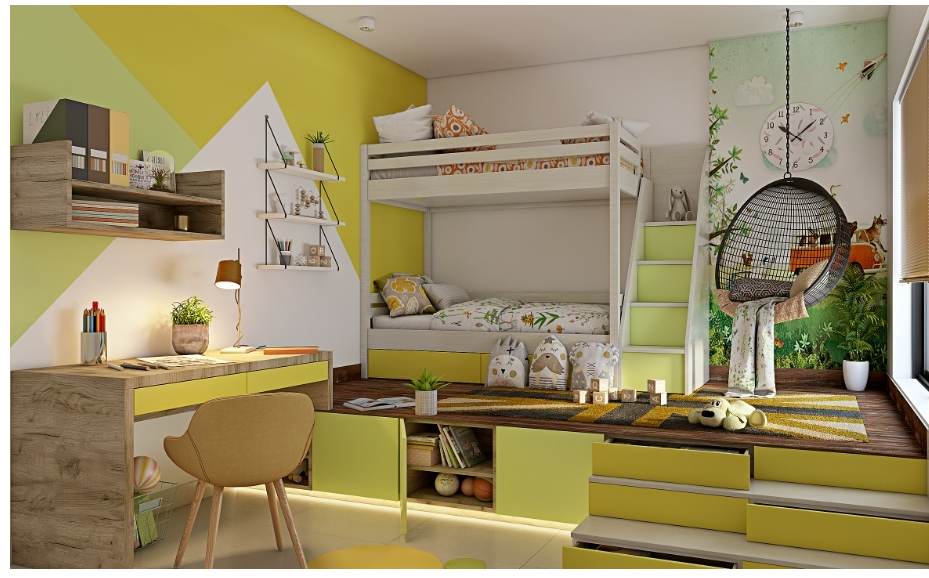
The impact of intense color depends entirely on the lighting strategy. A poorly lit room destroys the depth of saturated paint. Natural daylight shifts color temperature from morning to evening. A bright pink wall looks fresh at sunrise. It looks heavy and muddy at dusk without proper artificial illumination. Installing high-CRI (Color Rendering Index) LED bulbs guarantees the true hue of the paint remains visible after dark. Warm white bulbs measuring 3000 Kelvin provide the perfect baseline for most colorful interiors. The lighting must support the chemical intent of the room.
Designing For Individual Neuroaesthetics
Happiness remains highly subjective. The exact shade of yellow that brings one person immense joy might cause immediate anxiety in another person. Dopamine decor completely ignores standard color rules. It rejects the idea of a universal perfect palette. The homeowner must interrogate their own biological responses. If a chaotic pattern of mixed florals generates a sense of comfort, the designer implements that pattern. The home operates as a private sanctuary. It exists entirely to serve the psychological needs of the people living inside it. The architecture and the decor work together to create a space that feels unequivocally joyful.