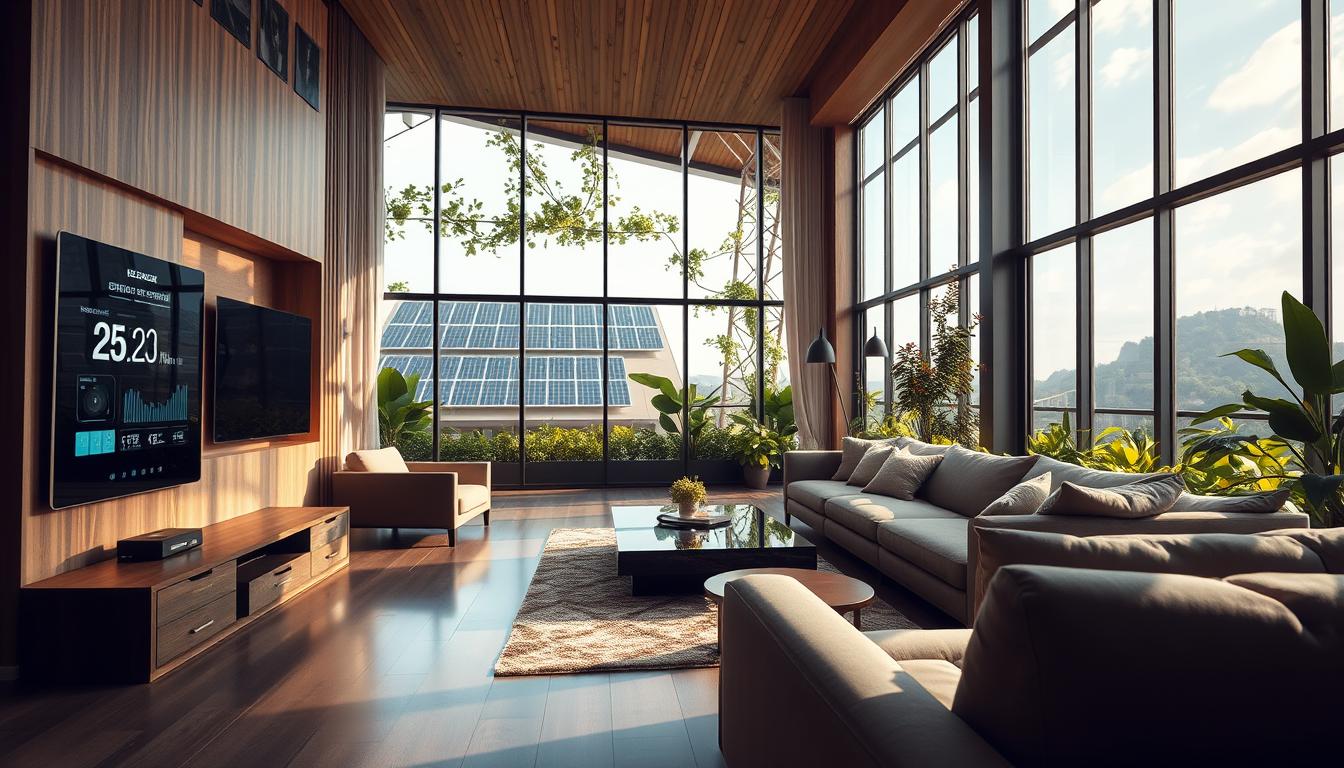
Wanting marble countertops and a clear conscience is a big deal. I’ve seen many homeowners stuck in this dilemma. It’s like debating the benefits of kale smoothies.
Today, you can have both luxury and sustainability. Modern energy management systems let you enjoy your Tesla and drive it too.
ROI numbers are impressive. These systems pay off quickly, thanks to tax incentives. The real question is not if you can afford these upgrades.
It’s whether you can afford not to make them. With prices and climate changing, smart homes are more than gadgets. They’re a way to protect your finances.
Smart panels and circuit‑level monitoring
Those old metal boxes with confusing switches are now a thing of the past. Today, smart electrical panels are like home energy detectives. They solve mysteries of power consumption.
These systems can spot energy vampires that would make Dracula jealous. They find things like always-on gaming rigs and forgotten wine fridges. Nothing can hide from their circuit-level monitoring.
What makes modern smart electrical panels different? They have advanced features that old panels don’t.
| Feature | Traditional Panel | Smart Panel | Impact |
|---|---|---|---|
| Monitoring Capability | None | Circuit-level tracking | Pinpoint energy drains |
| Remote Control | Physical switches only | App-based management | Control from anywhere |
| Energy Insights | Monthly bill surprises | Real-time analytics | Immediate savings |
| Safety Features | Basic circuit breaking | Predictive alerts | Prevent hazards |
Current sensors on each circuit are the magic behind smart panels. They talk to your phone, giving you real-time energy updates. This turns your monthly bill into a detailed guide for saving energy.
Think about the energy hogs in your home. Like that old garage fridge or the pool pump running at peak rates. Smart panels reveal these energy thieves with precision.
Homeowners get a big win with smart panels. They can control their power remotely and get alerts for unusual energy use. They even work with solar systems for better efficiency.
It’s not just about saving money. It’s about knowing your home’s energy habits. Smart panels turn complex energy data into something you can act on.
The best part? You don’t need to redo your home to install them. Modern systems fit right into your existing panels. They’re the upgrade your home’s electrical system has been waiting for.
Solar + storage + EV: orchestration and peak shaving
The mix of solar panels, battery storage, and EV charging is more than smart tech. It’s a battle against high utility costs. Homes turn into energy self-sufficient strongholds, ignoring peak rate prices.
Solar panels work hard during the day, like eager interns. Batteries store this energy for later. At night, when rates are high, you use stored energy while others pay more.
Peak shaving is your financial secret weapon. Utilities charge a lot during peak hours, 4-9 PM. With solar + batteries, you dodge these high rates. Your bills stay the same while others’ go up.
The system works with military-grade precision. Smart tech decides when to charge batteries, power your home, or send energy back to the grid. It considers weather, usage, and rates.
Your EV acts as a mobile battery. Modern electric cars can send energy back to your home. This turns your car into a moving battery pack.
You create a personal energy grid that works on its own when needed. This saves you thousands a year on electricity. It’s as close to energy freedom as you can get without going off-grid.
This isn’t just future tech—it’s here now. The systems work together smoothly, like a well-oiled orchestra. Each part plays its role in keeping your energy needs met and your wallet happy.
Heat pumps, smart thermostats, radiant control, ERVs
Let’s talk about thermal management. Traditional HVAC is like vinyl records, but we’ve moved to streaming services. Modern climate control is a symphony that hits all the right notes.
Heat pumps are the stars here. They don’t make heat like old systems. Instead, they move thermal energy with amazing efficiency. It’s all about physics, not fire.
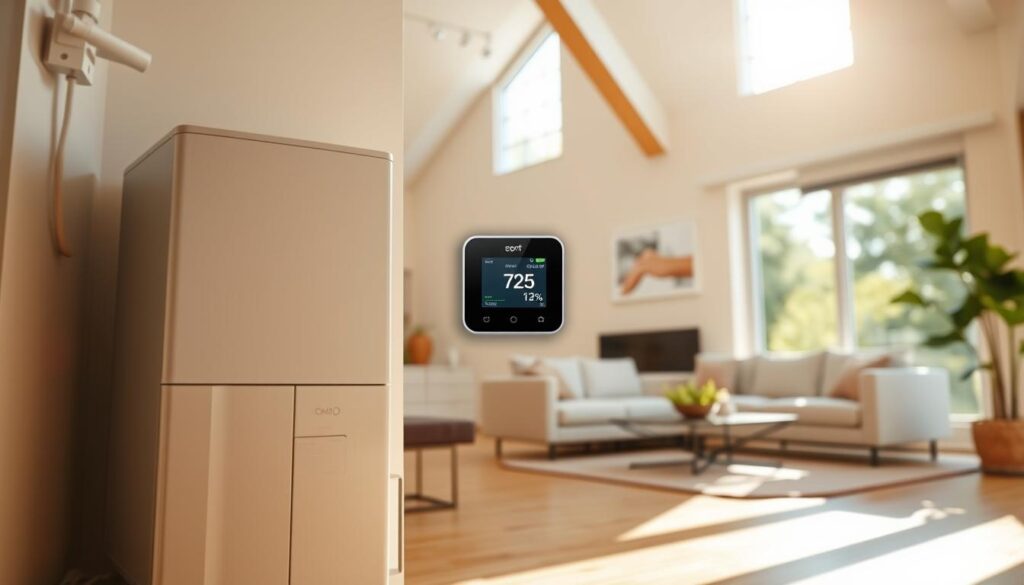
These systems can cut energy bills by 40% while keeping temperatures perfect. They cool in summer and heat in winter. No need for separate AC and furnace systems anymore.
Smart thermostats learn your routines better than your morning coffee. They use data on your schedule, weather, and humidity. They provide automated comfort that meets your needs before you even feel them.
These devices create custom schedules that would impress a Swiss watchmaker. They adjust temperatures when you’re away and warm things up when you return. It’s like having a personal climate butler.
Radiant floor control makes mornings in the bathroom warm and cozy. Warm water flows under your feet, heating the room evenly. No more cold tile or drafts.
This silent system keeps the room warm from floor to ceiling. No more fighting over the thermostat. Everyone enjoys “just right” conditions.
ERVs (Energy Recovery Ventilators) solve the fresh air problem. They bring in outdoor air while saving energy from stale air. You get fresh air without wasting conditioned air or energy.
These systems keep humidity levels right and filter pollutants. They’re great in modern homes where air quality can be poor. Breathe easy knowing your air is fresh and efficient.
The integration of these systems creates thermal harmony. Smart thermostats talk to heat pumps. ERVs work with radiant floors. It’s a system where everything works together.
This isn’t just about comfort – it’s about smart energy use. You get top-notch indoor environments while saving energy. The system pays for itself and improves your life.
Modern thermal management is the perfect mix of luxury and sustainability. You enjoy great comfort while reducing your environmental impact. It’s an upgrade that’s good for your wallet and wellbeing.
Dynamic Load Management: Your Home’s Energy Traffic Cop
Think of your electrical panel as a high-stakes poker game. Pool heaters, spas, and EV chargers all bet big at once. Without dynamic load management, your home risks a blackout.
With this smart tech, homes become energy pros. It manages energy flow to avoid overloads and blackouts. It’s like having a traffic cop for your home’s energy.
Load management turns homes into energy masters. It makes sure your Tesla charges without leaving you cold. It’s all about energy harmony, not chaos.
Modern systems use smart algorithms to manage energy. Your car charger waits until the hot tub is done. The pool heater cuts power when the oven turns on. It’s not just about convenience; it’s about avoiding blackouts.
Here’s how different systems handle energy distribution:
| Device Type | Power Demand | Smart Priority | Typical Schedule |
|---|---|---|---|
| EV Charging | 7-11 kW | Medium | Overnight |
| Pool Heater | 5-8 kW | Low | Daytime |
| Hot Tub | 3-6 kW | Variable | Evening |
| Heat Pump | 3-5 kW | High | 24/7 |
You can customize priorities based on your lifestyle. Want hot water for morning showers? The system adjusts EV charging power. Planning a dinner party? It coordinates systems to prevent overloads.
This tech saves money by avoiding expensive upgrades. Many homes can skip panel upgrades with smart management. It’s like finding extra rooms in your house.
The system learns your habits and adapts. It’s like having an energy butler. It knows you want a charged car at 7 AM and a hot tub at 8 PM. The tech works in the background, so you enjoy the benefits without a thought.
Smart glass, exterior shading, and window sensors
Windows have changed from being a big energy problem to a smart climate control tool. Say goodbye to old, drafty windows. Today’s smart windows control temperature, light, and energy flow with amazing accuracy.
Electrochromic glass is at the top of this change. With just a voice command or a set schedule, these windows change color like magic. They block up to 99% of UV rays and cut down on solar heat gain, giving your AC a break when it’s sunny.
Exterior shading systems take it further. Motorized louvers and retractable awnings adjust like sunflowers, following the sun’s path. They’re not just window treatments; they’re tools that can cut cooling costs by up to 25% in summer.
Window sensors are the brain of this system. They check if windows are open when the AC is on. These sensors work with your smart home to alert you or close windows when needed.
| Technology | Energy Savings | Smart Features | Installation Complexity |
|---|---|---|---|
| Electrochromic Glass | Up to 20% on cooling | Auto-tinting, app control | High (requires replacement) |
| Motorized Exterior Shades | 15-25% seasonal | Sun tracking, weather response | Medium (professional install) |
| Window Contact Sensors | 5-15% preventable waste | HVAC integration, alerts | Low (DIY possible) |
| Smart Film Retrofit | 10-18% on cooling | Applied to existing glass | Medium (professional recommended) |
These technologies work together beautifully. Smart glass cuts heat gain, shading adds extra protection, and sensors keep everything in sync. It’s like having a personal energy manager for your windows.
Think about the seasons too. In winter, open shades let in natural warmth, while smart glass keeps it clear. The system learns your local climate and adjusts.
Installation options vary. Replacing windows with electrochromic glass is best for new builds or big renovations. For older homes, smart film or sensors are more flexible. Either way, you’re turning windows into energy-saving tools.
These technologies are more than just new windows. They’re a new way for buildings to interact with their surroundings. Instead of fighting nature, smart glass and shading systems work with it, making homes more comfortable and efficient.
Utility integrations and demand‑response incentives
Imagine getting paid for not using something – welcome to the wonderfully counterintuitive world of demand-response programs. Utility companies have realized it’s cheaper to pay homeowners than build expensive peaker plants. These plants only work a few hundred hours a year.
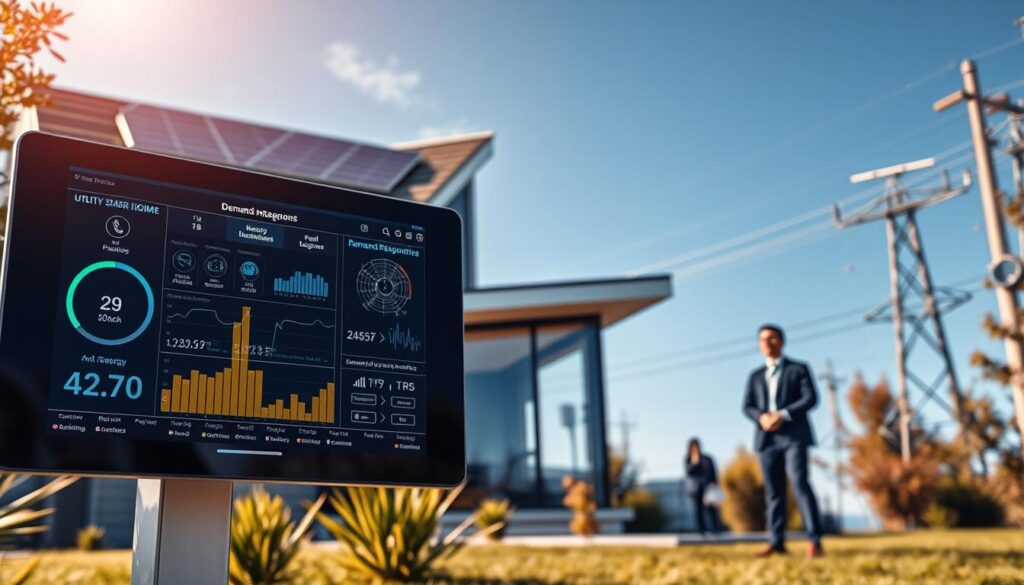
Here’s how it works: when the grid is full (like on hot afternoons when everyone’s AC is on), your smart home system gets a signal. Your thermostat goes up a few degrees, your EV charging stops briefly, and your pool pump takes a break. You barely notice, but the grid breathes easier.
Homeowners can earn $200-500 a year for these small changes. It’s like Uber surge pricing in reverse – you get paid to use less energy during peak times. These demand-response integrations turn your home into an active partner with the grid.
It’s about time we got a say in energy use. The future isn’t just about using less energy. It’s about getting paid for smart usage when the grid needs it most.
Data dashboard: real‑time energy KPIs for owners
Your home’s energy dashboard is like a control center you never knew you needed. It changes how you view power use from just paying bills to managing it actively. It’s like having Tesla-level analytics for your whole property.
These dashboards give you real-time KPIs that would impress even Wall Street experts. You’ll see when your solar panels produce the most. You’ll find out which appliances are wasting your money. Suddenly, kilowatt-hours are as easy to understand as your Netflix history.
Homeowners get really into their energy numbers. They’ll say, “My HVAC used 30% less power today!” like they just ran a marathon. It makes saving energy feel like a game with real benefits.
The real magic is when data turns into useful information. That spike at 2 PM? It’s your pool heater running during high rates. The evening surge? It’s your teens charging devices, gaming, and streaming at once. Knowing this lets you save power and money.
Modern systems work with energy efficiency solutions to make data useful. Your dashboard doesn’t just show problems; it helps fix them. You get alerts for appliance maintenance and tips for better settings.
This isn’t just about saving money anymore. It’s about knowing your home’s habits and needs. Your energy dashboard is like a crystal ball that predicts your bills, prevents waste, and makes saving energy a daily habit.
Prewire and conduit plan to stay upgrade‑ready
Future-proofing your home is like saving room for dessert. You might not need it now, but you’ll be glad you did later. Many homeowners face expensive updates because they didn’t plan for conduit runs during construction.
Installing empty conduits is like leaving breadcrumbs for future you. It lets your home adapt without needing to tear down walls. No one wants their living room to look like a construction site during a renovation.
This isn’t just planning; it’s architectural foresight. It helps you focus on lasting value, not just trends. It’s like building a foundation that grows with technology, not against it.
The best approach involves strategic conduit placement. Focus on areas where technology changes fast. These are usually entertainment centers, workspaces, and exterior walls for future energy systems.
Consider this comparison of prewiring strategies:
| Approach | Cost During Build | Retrofit Cost | Future Flexibility |
|---|---|---|---|
| Basic Code Minimum | $1,500 | $8,000+ | Limited |
| Standard Prewire | $3,000 | $4,000 | Moderate |
| Future-Proof Plan | $5,000 | $500 | Maximum |
The future-proof plan offers the best long-term value. The initial cost is worth it when you need to upgrade. You’re buying flexibility at a great price.
Key areas for conduit runs include behind entertainment centers. Also, paths to attics and crawl spaces are important. Don’t forget conduits for exterior walls for solar or EV charging upgrades.
Use oversized conduits whenever possible. Technology cables are getting thicker, not thinner. That fiber optic line today might need company tomorrow.
Label everything clearly behind access panels. Future you will thank you for the organization. It makes upgrades easy, not a nightmare.
Remember: drywall repair costs more than extra conduit. The initial investment is worth it for a peaceful living space. Smart planning today means a better tomorrow.
Case study room-by-room efficiency wins
Ever wonder if all this tech actually works outside a lab? Let me show you the receipts.
The kitchen is a big energy user. But with Span smart panels and Sense monitoring, we cut down on energy waste. One client saved 40% just by stopping phantom loads from things like espresso machines and lights under cabinets.
Bedrooms became peaceful places thanks to smart tech. Ecobee sensors and Flair vents ended fights over the thermostat. Now, rooms are comfortable without wasting energy.
Home offices got a big boost too. We set up dedicated circuits for computers and audio-visual systems. This stopped annoying hums and made Zoom calls perfect.
These wins add up to big savings. They cut down on utility bills and carbon emissions. The proof is in the monthly bills, not just some report.