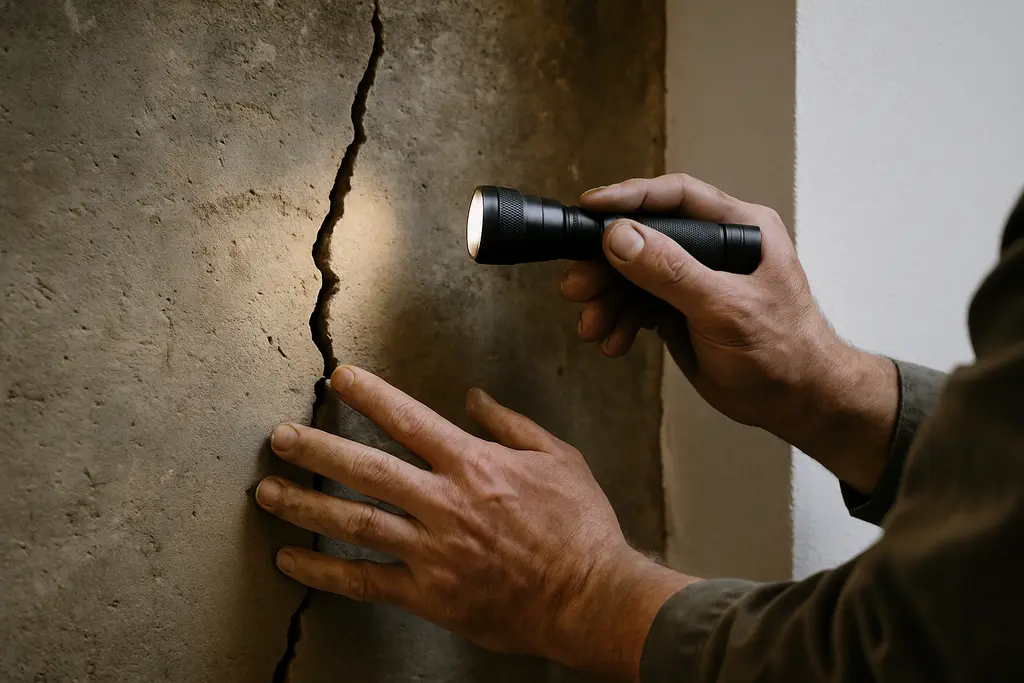
Essential repairs have moved ahead of cosmetic upgrades for many homeowners because recent spending data points to budget pressure, maintenance needs and greater caution around discretionary work. Angi’s 2026 State of Home Spending Pulse, based on a survey fielded on July 9, 2026, found that repair and maintenance projects were more common than renovation projects among homeowners who recently hired a professional.
As Renshaw Whitlock, I tend to view this shift through a practical home-systems lens. A fresh finish can make a room feel better, but a roof leak, failing equipment, moisture concern or safety issue can affect the way a house functions. Smart-home alerts, maintenance records and contractor documentation can help owners organize what they are seeing, but they should not replace qualified inspection or licensed trade work where risk is high.
Why Essential Repairs Are Taking Priority
Essential Repairs And Budget Risk
The strongest reason for the shift is cost uncertainty. Angi reported that 92% of homeowners who recently hired a professional completed their project at or above budget, while 43% exceeded their original estimate. Among those who went over the estimate, slightly more than one-third spent at least 30% more than planned, according to Angi’s 2026 spending report.
That finding changes the way a homeowner should compare a repair with a cosmetic upgrade. If a project is likely to run over budget, it makes sense to protect health, safety, structure and core function before spending on finishes that can wait. This is not a claim that every repair is urgent or every cosmetic project is wasteful. It is a budget discipline: fund the work that reduces downside risk first, then decide what remains for appearance and comfort.
Cosmetic Work Is Easier To Delay
Angi’s mid-2026 data showed that 58% of recent pro-hirers had completed a repair in the past month and 63% had completed maintenance work. By contrast, 35% reported renovation work, which is more often discretionary or appearance-driven. The gap suggests that many homeowners are not abandoning improvement plans. They are sorting projects by consequence.
A cabinet repaint, new tile pattern or upgraded fixture package may still be worthwhile when the budget allows. Yet those projects rarely carry the same immediate risk as water intrusion, deferred maintenance or failing household systems. For owners deciding between categories, the first question should be: what happens if this work is delayed six months?
What The 2026 Spending Pulse Shows
Postponement Does Not Mean Inaction
The report showed homeowners were postponing some plans because of rising costs while putting repairs and preventative maintenance ahead of discretionary upgrades. That distinction matters. A postponed project may still be desirable, but the timing changes when labor, materials and household cash flow are under pressure.
Angi also found that 59% of recent pro-hirers said cheaper materials would make them more likely to move forward with a project, and 54% cited lower inflation as a factor that would encourage them to proceed. Those responses help explain why cosmetic upgrades can lose priority even when homeowners still care deeply about their spaces.
Emergencies Can Reshuffle The Plan
Some work moves forward because waiting is no longer realistic. Among homeowners who delayed a project, 23% cited an unplanned or emergency repair or need as the reason for acting sooner. That is a clear warning against using the entire home budget on visible upgrades while leaving no margin for maintenance surprises.
For project planning, I suggest homeowners keep a simple risk register: known defects, age of major systems, recurring service calls, visible moisture, safety concerns and any contractor recommendations already received. This is not a substitute for professional evaluation, but it can help families discuss priorities with a contractor in a more organized way.
How To Rank Projects Without Ignoring Safety
Use A Consequence-First Filter
A useful ranking method starts with consequence rather than preference. Projects that affect safety, weather protection, moisture control, basic access, heating, cooling or electrical reliability should be reviewed before purely visual updates. Homeowners should avoid diagnosing or repairing electrical, gas, structural, roofing or major plumbing issues on their own unless they are properly qualified. The safer choice is to document symptoms, stop using unsafe equipment if needed, and call the appropriate licensed professional.
That approach also helps avoid false savings. Choosing a cheaper finish may reduce the price of a cosmetic project, but choosing to delay a needed repair can create uncertainty if the underlying condition worsens. Angi’s data does not prove what will happen in any single home. It does show that many owners faced budget pressure after hiring pros, so contingency planning is not optional.
- Rank work that protects people, structure and major systems first.
- Ask contractors to separate repair scope from cosmetic add-ons in estimates.
- Keep a contingency reserve before approving discretionary upgrades.
- Phase visual improvements when core repairs are not yet funded.
Separate Needs From Nice-To-Haves
A clean estimate should help the homeowner see what is required, what is recommended and what is optional. For example, a bathroom project may include a necessary repair, a maintenance item and a style upgrade in the same proposal. Asking for those parts to be broken out can make the decision less emotional.
For readers comparing project types, this related discussion of repairs versus cosmetic upgrades fits the same safety-first planning mindset. It is also wise to compare local housing and service context through related property resources such as Jimmy Guthrie Real Estate LLC, which can provide insights on handling projects when selling, buying or staying in your current home.
Where Smart Home Planning Fits

Use Alerts As Clues, Not Proof
Smart-home tools can support maintenance planning when used cautiously. Alerts, sensor history, photos and service records can help a homeowner describe a problem more clearly to a professional. They can also help identify repeated patterns, such as a device reporting the same condition several times. Still, a connected device should be treated as a prompt for investigation, not a final diagnosis.
This matters because essential repairs often start as small signals: a repeated alert, a stain, an unusual sound, a breaker that trips, a slow drain or a room that no longer heats or cools as expected. The homeowner’s role is to record what changed and seek proper evaluation. The contractor’s role is to determine the cause and safe repair path.
Technology Should Not Expand Scope By Default
One common mistake is allowing a repair visit to turn into a larger upgrade project without a clear budget decision. A smart thermostat, connected lighting control or leak alert device may be helpful in the right setting, but those choices should not distract from the underlying repair. If the project started because of a failure, solve the failure first.
Angi’s survey also found that 66% of homeowners planned to make a major home investment within five years, and 56% said they planned to begin or continue a home project in the next three months. That points to continued interest in improving homes, but the spending sequence matters. Good technology planning supports maintenance, documentation and everyday use; it does not make budget limits disappear.
Essential Repairs In A Practical 2026 Plan
The better strategy for essential repairs in 2026 is measured, documented and safety-conscious. Homeowners should collect estimates, ask what work is required now, clarify what can be phased, and keep cosmetic changes separate unless the budget can handle both. They should also ask about warranty terms, permit expectations and who is responsible for any specialized trade work, without assuming that every project has the same rules in every location.
Angi’s findings showed strong emotional attachment to home investment as well. The report said 97% of homeowners surveyed said their home helps them manage stress, 96% said improvements increased day-to-day happiness, and 95% considered investing in the home one of the smartest uses of their money. Those are high sentiment readings, but they do not remove the need for caution. A satisfying project is still better when it is financially realistic and does not ignore maintenance risk.
For homeowners deciding what to approve next, the evidence favors a practical order: stabilize the home, maintain core systems, address safety concerns with qualified help, then schedule cosmetic work when the numbers are clearer. That sequence may feel less exciting than a visible upgrade, but it is more consistent with the cost pressures and project patterns reported in mid-2026.