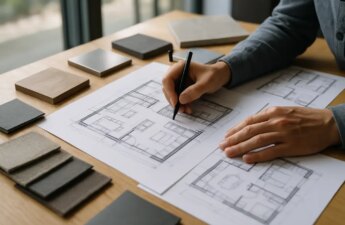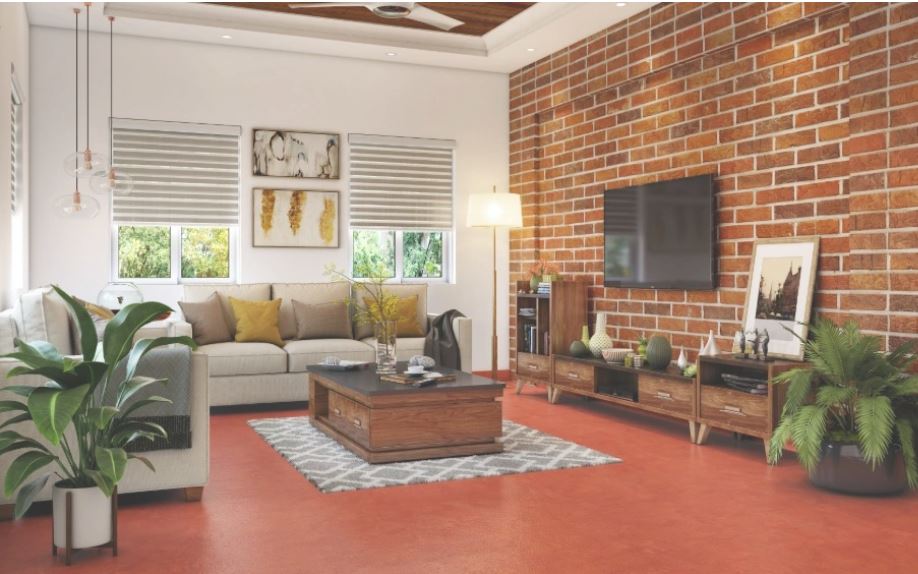
Bangalore transitioned rapidly from a mild, high-altitude ecosystem to a dense urban heat island. This environmental shift requires a severe architectural response. Standard concrete boxes trap heat and reject humidity, creating hostile indoor environments that force a massive reliance on mechanical cooling. True climate-responsive architecture relies heavily on material science. The selection of building materials dictates the internal thermal comfort and the long-term energy load of the residence. Applying sustainable materials for Bangalore climate requires integrating traditional regional intelligence with modern structural engineering to build a house that works in tandem with the local weather patterns.
The Physics Of Thermal Mass In Tropical Zones
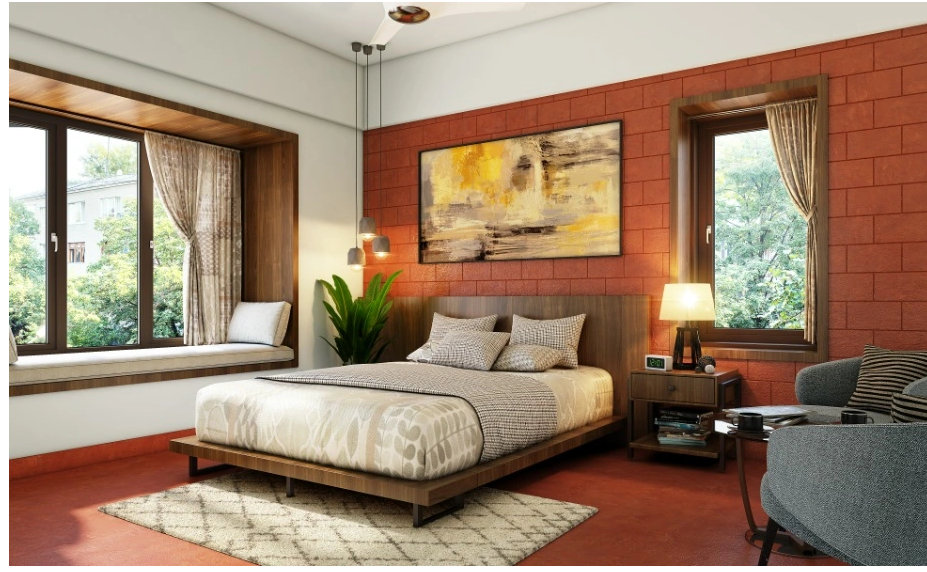
The structural envelope dictates heat transfer. Standard burnt clay bricks consume massive amounts of topsoil and offer poor thermal resistance. Architects operating at the high end of the market replace these outdated blocks with Compressed Stabilized Earth Blocks (CSEB) or locally sourced laterite stone.
These dense earthen materials provide significant thermal mass. They absorb the intense afternoon solar radiation slowly, delaying the transfer of heat into the living space. By the time the heat penetrates the wall, the evening air drops the exterior temperature, reversing the thermal flow. The wall releases the heat back outside. This physical delay aligns perfectly with the diurnal temperature swings of the Deccan Plateau. Building the exterior walls with CSEB stabilizes the indoor temperature and eliminates the need for heavy exterior plastering, lowering overall construction costs and reducing the carbon footprint of the project.
Vapor-Permeable Envelopes And Plaster Alternatives
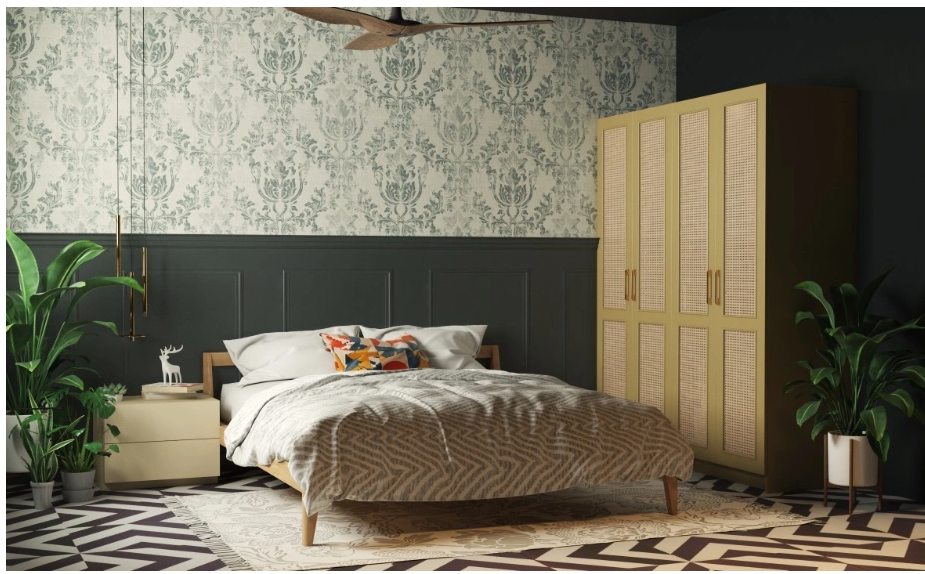
High humidity levels during the monsoon season demand building envelopes that breathe. Acrylic paints and synthetic cement sealants wrap the house in an impermeable plastic barrier. This traps interior moisture inside the drywall and masonry, leading directly to hidden structural decay and rapid mold proliferation.
Replacing synthetic finishes with traditional lime plaster solves this physical failure. Lime plaster acts as a vapor-permeable membrane. It absorbs excess atmospheric moisture during heavy rains and releases it slowly during dry spells. The high alkalinity of the material prevents fungal growth naturally, without toxic chemical additives. Over decades, the lime plaster absorbs atmospheric carbon dioxide to harden back into limestone, turning the interior wall finish into an active carbon sink. Reviewing the environmental parameters published by the Indian Green Building Council (IGBC) highlights exactly how breathable building envelopes drastically improve indoor air quality scores and lower respiratory friction for the occupants.
Regional Stone Sourcing For Flooring Architecture
Importing Italian marble generates a massive transport footprint and introduces a material completely unsuited for local temperature fluctuations. The region surrounding the city offers access to incredibly dense, structurally superior natural stones. Utilizing these local resources grounds the architecture in its specific geography.
Sadarahalli granite, quarried just outside the city borders, provides a hard-wearing surface ideal for structural cladding and heavy-traffic floors. Designers process this granite with flamed, brushed, or leathered finishes to provide necessary slip resistance in wet zones like bathrooms and outdoor patios. Kota stone and Kadappa black limestone offer a matte, earthy finish that remains perceptibly cool underfoot. This physical coldness provides immediate relief during the pre-monsoon heat waves. Using these regional materials eliminates the synthetic resins found in artificial quartz and provides a permanent surface that outlasts the house itself.
Engineered Timber And Bamboo Framing Solutions
Concrete and steel construction carries an extreme embodied energy cost. Replacing these industrial materials with rapid-growth organic structural elements lowers the carbon impact of the building immediately.
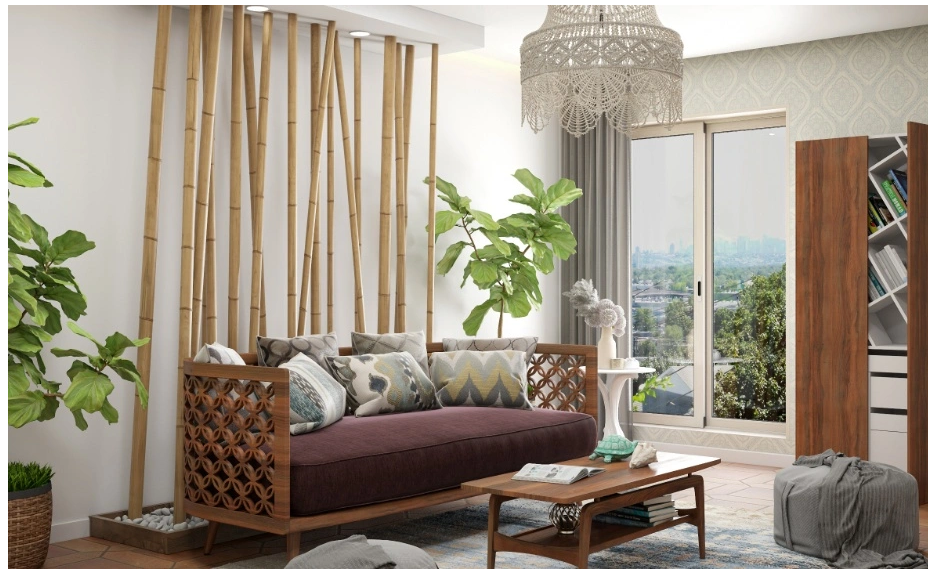
Structural bamboo offers tensile strength rivaling mild steel. It reaches full maturity in a fraction of the time required by traditional hardwoods. Modern treatment facilities use pressurized borax systems to immunize the bamboo against pest degradation, transforming it into a highly reliable building material. Architects specify heavy bamboo poles for roofing trusses, shading pergolas, and decorative ceiling treatments.
When heavy load-bearing requirements demand dense timber, reclaimed teak salvaged from demolished colonial structures provides the solution. Reclaimed wood features tighter grain density and greater dimensional stability than newly harvested lumber. The wood has already spent decades drying and settling. This reclaimed material brings deep historical character into the architecture without driving old-growth deforestation.
High-Performance Roofing And Passive Ventilation
The roof absorbs the heaviest solar radiation of any structural component. Flat concrete slabs transmit this heat directly into the upper floors of the house. Mitigating this heat transfer requires shading and ventilation strategies directly integrated into the roof structure.
Terracotta roofing systems interrupt this heat transfer beautifully. Baked clay tiles feature high porosity, allowing the material to dissipate heat rapidly. Creating a ventilated air gap between the terracotta tiles and the secondary roof structure provides an active insulation layer. Hot air gets trapped in this gap and vents out the sides before ever reaching the interior ceiling.
Architects frequently utilize terracotta blocks to build perforated jaali screens on western facades. These screens block direct sunlight and force passing breezes to compress and expand through the tight geometric cutouts. This physical action drops the ambient air temperature before the breeze reaches the interior living spaces, heavily reducing the home’s reliance on mechanical air conditioning.
Water Management Through Permeable Hardscaping
Groundwater depletion threatens the entire metropolitan infrastructure. Pouring solid concrete driveways and massive tiled patios forces rainwater into overloaded municipal storm drains. A modern residence must manage its own water footprint to remain sustainable.
Permeable hardscaping replaces solid pavement with porous materials. These surfaces allow rainwater to percolate directly into the soil, recharging the local aquifer and preventing surface flooding.
| Hardscape Material | Permeability Rating | Primary Residential Application |
| Dry-Laid Granite Cobbles | High | Primary driveways, vehicle parking |
| Grass-Crete Pavers | Very High | Secondary parking, transition paths |
| Compacted Gravel | Maximum | Garden borders, walking paths |
| Poured Concrete | Zero | Strictly limited to structural foundations |
Designers route the runoff from the main roof into advanced rainwater harvesting systems. Catchment zones funnel the water through gravity filters into massive underground storage tanks. This stored water supports landscape irrigation and secondary plumbing needs year-round.
Executing Climate-Responsive Residential Architecture
Selecting proper materials represents only a fraction of the building process. The exact orientation of the building, the solar shading calculations, and the physical integration of the raw materials require precise architectural engineering. A poorly positioned CSEB wall receives no thermal benefit if left unprotected by proper roof overhangs. A permeable driveway fails if the grading directs water away from the soil.
Homeowners executing these highly specialized builds partner with experts in custom home building to manage the tight tolerances required by the blueprints. The framing crews, masonry teams, and finishing artisans must understand the physical properties of organic materials. Proper execution guarantees the architecture performs exactly as the physics dictate. The resulting property operates as a highly efficient, climate-responsive machine that lowers energy consumption and provides deep physical comfort.