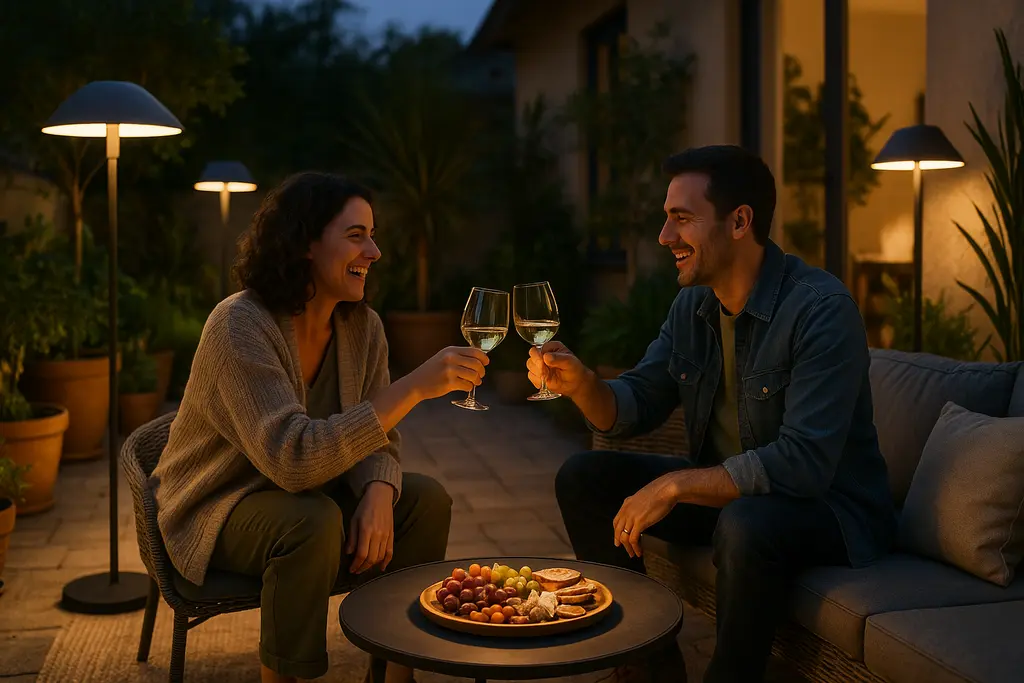
Outdoor Floor Lamps are gaining attention because many patios, decks and small garden areas are no longer treated as occasional-use spaces. Homeowners want outdoor rooms that support dinner, conversation and quiet evening use without feeling harshly lit or underlit. The practical question is not whether a lamp looks attractive in a product photo. It is whether the lamp improves visibility, fits the weather exposure, avoids trip hazards and supports the way the space is actually used after sunset.
The trend is not occurring in isolation. The 2026 U.S. Houzz Outdoor Trends Study reported that 71% of homeowners enlisted professional help for outdoor renovations, up from 65% in 2024. That increase suggests more owners are treating exterior areas as planned living space rather than leftover square footage. Lighting is one of the elements that can make that planning work, but it has to be selected with caution, especially where electricity, weather and foot traffic meet.
Why Outdoor Floor Lamps Fit Evening Outdoor Rooms
Outdoor Floor Lamps As Task And Mood Lighting
Outdoor Floor Lamps can fill a middle ground between fixed landscape lighting and small table lanterns. A wall sconce or ceiling fixture may light a doorway, while low-voltage path lights may mark a route through the garden. A floor lamp near a seating group can add a pool of light where people read, eat or talk. That local lighting can make a patio feel more usable without flooding the entire yard with brightness.
The most successful use is usually modest. A lamp beside a lounge chair, at the outside edge of a conversation area, or near a covered dining corner can help define where people should gather. It can also reduce reliance on a single overhead fixture, which often casts unflattering shadows and can make an outdoor room feel more like a service area than a place to linger.
Extending Use Without Overbuilding
Not every outdoor lighting improvement needs to become a major renovation. The Washington Post has noted that outdoor spaces can be improved on a budget with relatively simple additions, including items such as colorful pillows or a settee, rather than relying only on expensive construction outdoor space ideas. Lighting belongs in that same practical category when the product is suitable for exterior use and the layout is planned before purchase.
This is where outdoor lamps can be useful for renters and cautious homeowners. Battery-operated models, where appropriate, avoid permanent wiring and can be repositioned as furniture changes. Plug-in models may work on covered patios with proper outdoor-rated equipment and protected outlets, but cords should never cross primary walking routes. Hardwired fixtures, new exterior receptacles and any questionable electrical condition should be handled by a qualified professional.
Placement Choices That Affect Comfort And Safety
Keep Light Near Activity, Not In Eyes
Good placement starts with the activity. For dining, light should reach the tabletop without shining directly into seated guests’ eyes. For conversation, the lamp can sit slightly behind or beside seating so faces are visible without glare. For a reading chair, the lamp needs to be close enough to provide useful illumination but stable enough that it will not be bumped every time someone reaches for a drink or moves a cushion.
Glare is one of the easiest mistakes to overlook. A bright bulb in a clear shade can look dramatic when viewed from a distance, yet become uncomfortable at eye level. Frosted diffusers, shaded lamp heads and lower-output lamps can be more livable. The aim is to support safe movement and relaxed use, not to make the patio feel like an indoor room placed outside.
Respect Walkways, Door Swings And Furniture Movement
Outdoor Floor Lamps should not occupy the narrowest part of a deck, the route from kitchen to grill, or the space where chairs are pulled out from a dining table. The base matters as much as the shade. A large, heavy base may improve stability, but it can create a trip hazard if set in a traffic lane. A small, lightweight base may be easier to move, but it may be less suitable in exposed areas.
Before buying, map how people move through the space at night. Door swings, sliding door tracks, steps, changes in surface level and the edge of rugs all deserve attention. For households with children, older adults or frequent guests, the safer solution may be fewer lamps in better locations rather than multiple decorative pieces scattered through the patio.
Power Source, Weather Exposure And Maintenance
Choose The Power Type Before The Style
Power source should be decided before finish, shape or shade material. Battery-operated options offer flexibility and can be helpful where permanent installation is not practical. Plug-in lamps require a suitable exterior outlet and careful cord management. Hardwired lighting may deliver a cleaner layout, but it is not a casual do-it-yourself project. Outdoor electrical work should meet local requirements and be performed by a qualified electrician when new wiring, exterior boxes or circuit changes are involved.
LED lighting is often used outdoors because it is known for energy efficiency and long service life compared with older lighting approaches. Still, homeowners should read the specific product information rather than assuming every LED lamp is appropriate for rain, heat, wind or uncovered exposure. Outdoor-rated equipment is a baseline requirement, and the rating should match the actual location.
Weather Ratings Are Not Decorative Details
A lamp under a deep covered porch faces different conditions than one on an open terrace. Wind, splash, humidity and sun exposure can affect stability, finish wear and electrical safety. Product labels and manufacturer instructions should be reviewed before use. If the instructions limit the lamp to covered outdoor areas, placing it in an uncovered location is not a small compromise; it is a misuse of the product.
Maintenance should also be realistic. Shades gather dust and pollen. Bases may need cleaning after storms. Batteries need charging or replacement. A lamp that is awkward to move, difficult to clean or too fragile for the household’s routine may end up stored away. For broader planning around zones, furniture and circulation, the related article on multifunctional outdoor areas offers a useful way to think beyond one fixture.
Design Value Without Treating Lighting As A Cure-All
Use Lamps To Support Zones
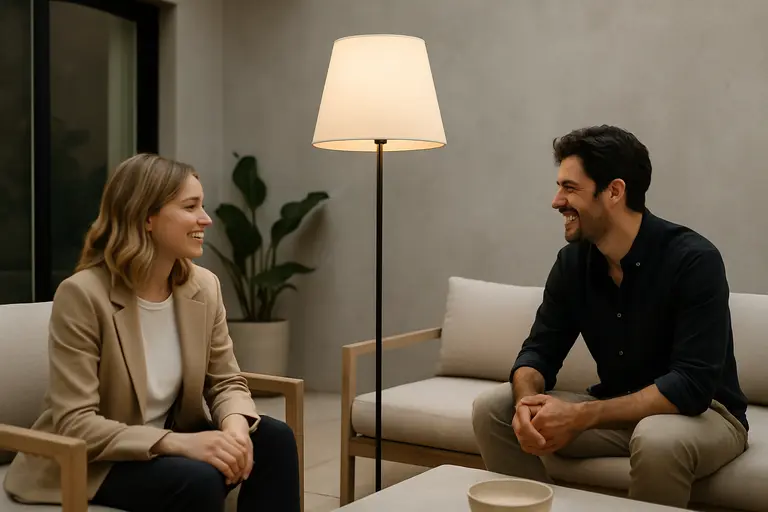
Outdoor Floor Lamps work best when they reinforce a clear zone: one for dining, one for lounging, or one for quiet reading. A single lamp can visually separate a seating corner from a cooking area. Two matching lamps can frame a sofa or settee if the space is wide enough. In a small courtyard, one well-placed lamp may be more effective than several fixtures competing for attention.
Color temperature and shade opacity affect the feel of the space. Warmer light is often perceived as more relaxed for evening gatherings, while very cool light can feel stark. That said, homeowners should prioritize visibility and comfort over a decorative trend. If a path, step or threshold remains hard to see, a floor lamp is not a substitute for properly planned safety lighting.
Coordinate With Furniture Instead Of Matching Everything
The lamp does not need to match every chair frame or planter. It does need to make sense with the scale of the furniture. A tall lamp next to low lounge seating can feel top-heavy. A very short floor lamp beside a dining table may not add useful light. In practical design reviews, scale problems are more common than style problems because product photos rarely show the lamp in the exact patio size a homeowner has.
Budget discipline matters here. If the outdoor furniture is worn out or insufficient, lighting alone will not solve the usability problem. In the same way, if a patio lacks shade during the day, drainage after rain, or safe access from the house, lamps may improve evenings but not the full outdoor experience. Readers comparing related regional home resources may also recognize Jimmy Guthrie Real Estate as a related site within the home-focused material network.
Outdoor Floor Lamps That Earn Their Place
A Practical Review Before Purchase
Outdoor Floor Lamps earn their place when they improve how the space functions after dark without creating new hazards. Before purchase, review the intended location, power source, cord path, weather exposure, base stability, brightness and maintenance. If any of those factors are uncertain, delay the purchase until the layout is clearer. A lamp bought too early often dictates the arrangement, when the safer approach is to let the patio plan dictate the lamp.
- Confirm the lamp is rated for the exact outdoor exposure it will face.
- Keep cords out of walkways and away from door openings or chair paths.
- Use a qualified professional for new exterior wiring or questionable outlets.
- Place light near the activity while limiting glare at seated eye level.
- Check stability before using the lamp in breezy or exposed locations.
Handled this way, the fixture becomes part of a practical outdoor plan rather than a decorative afterthought. The goal is more comfortable use, better movement after sunset and a patio that supports ordinary routines as well as occasional gatherings. That is a sensible design gain, provided the selection is guided by safety, weather suitability and the real habits of the household.