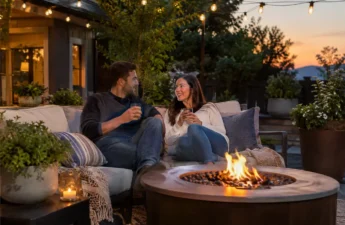
Outdoor design innovations from the 2026 Livingetc Style Awards are useful for homeowners because they point to a more practical kind of outdoor living: softer fabrics, better lighting, more comfortable seating and cooking equipment that supports gathering. The awards should not be read as a shopping order for every patio. They are better treated as a set of design signals that can help homeowners decide where comfort, maintenance and safety deserve more attention.
The outdoor category recognized products that combine style with function, including Rubelli’s Lipari fabric for its soft texture and water-repellent properties, Pooky x The Novogratz’s Stefan Lantern for reworking the classic lantern with bold shape and color, Grythyttan Stålmöbler’s Bovik Armchair for material character and comfort, and Gozney’s Dome Gen 2 Pizza Oven for larger cooking capacity, digital controls and hybrid fuel use, according to the Livingetc outdoor awards. Those details matter because patios, decks and garden rooms face wear that indoor rooms do not.
What The Awards Signal About Outdoor Design Innovations
Outdoor Design Innovations Start With Everyday Comfort
The most useful takeaway is not that every homeowner needs high-end outdoor products. It is that outdoor spaces are being judged by how well they support daily life. A soft, water-repellent fabric suggests a shift away from stiff patio cushions that look good briefly but discourage regular use. A more comfortable armchair suggests that garden seating can be evaluated the same way as a reading chair indoors: posture, touch, arm height, weight and ease of movement all matter.
The lesson from these outdoor design innovations is that comfort should be tested, not assumed. Before buying a full set, sit in the chair for more than a minute, check whether the seat height works with nearby tables, and ask how cushions should be cleaned and stored. If the furniture will sit near a pool, under trees or close to a grill area, care requirements become part of the design decision. A product that needs constant protection may be a poor fit for a busy household, even if it photographs well.
Indoor-Outdoor Style Still Needs Boundaries
The awards reflect a clear preference for outdoor rooms that feel closer to indoor living areas. That idea can be helpful, but it has limits. Indoor-level comfort should not mean ignoring drainage, heat, wind, smoke, glare or storage. Upholstery may be water-repellent, yet it is still exposed to dirt and changing weather. Lanterns may look decorative, yet they still need stable placement and sensible wiring or battery management. Cooking equipment may encourage social use, yet it brings heat, fuel and clearance concerns.
For homeowners already studying indoor-outdoor living, the award results support a balanced approach: connect the patio visually to the home, but do not forget that exterior conditions are harder on materials. The goal is not to copy the living room outside. It is to create an outdoor area that borrows comfort from the home while respecting the setting.
Fabric And Furniture Lessons For Daily Use
Water-Repellent Does Not Mean Care-Free
Rubelli’s Lipari fabric being recognized for softness and water-repellent properties is a useful case study. Water-repellent performance can help outdoor upholstery deal with light moisture, but homeowners should still ask direct questions before committing: Is the fabric intended for fully exposed conditions or covered patios? What cleaning method does the maker recommend? Are cushions quick-drying? Are covers available? The research does not provide long-term wear data, so it would be unsafe to assume that one award-winning fabric will perform the same in every climate or exposure.
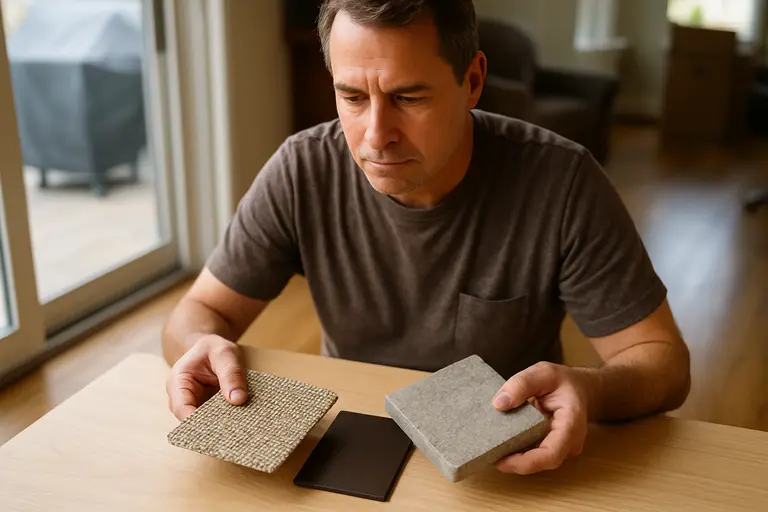
This is where sample testing helps. A swatch can show texture, color and thickness in actual daylight. If the patio receives strong afternoon sun, view samples at that time of day. If pets or children use the space, choose materials that can tolerate frequent handling. Practical design often comes down to what a household is willing to maintain after the first season.
Comfort Should Be Measured Against Layout
Grythyttan Stålmöbler’s Bovik Armchair was recognized for combining established materials with comfort. For homeowners, that points to a broader buying rule: an outdoor chair must fit the layout, not just the mood board. A deep lounge chair can be excellent on a covered terrace but awkward on a narrow balcony. A heavier chair may feel stable in wind but harder to move for cleaning or storage. A sculptural seat may become a visual anchor, but it should still allow people to talk, eat or read comfortably.
If you are redesigning a small yard, first mark the intended furniture footprint with painter’s tape or temporary objects. Walk the path from the door to the seating, from the seating to the table, and from the table to the grill or cooking zone. This simple test can prevent crowded layouts. Readers planning regional examples may find related ideas in outdoor living spaces designed around shade, privacy and zones.
Lighting And Cooking Need Practical Limits
Lanterns Work Best As Layers
The Pooky x The Novogratz Stefan Lantern shows how a familiar outdoor object can feel more current through shape and color. For homeowners, the practical value of a lantern is flexibility. Portable light can support conversation, dining or a path back to the house without requiring a large construction project. Yet lanterns should be treated as one layer, not the only lighting plan.
Good outdoor lighting usually needs a mix of task, ambient and safety lighting. The exact plan depends on the site, and any hardwired exterior fixture should be handled by a qualified professional. For plug-in or rechargeable products, check manufacturer instructions, weather suitability and placement. Keep cords out of walking routes, avoid unstable surfaces and do not place heat-producing lights near fabric or dry plant material. Those are modest steps, but they often make the difference between a pleasant patio and a space people avoid after dark.
Outdoor Cooking Is A Design And Safety Decision
Gozney’s Dome Gen 2 Pizza Oven was praised in the awards for expanded cooking capacity, digital controls and hybrid fuel use. That kind of equipment can make cooking a stronger social feature, but it also raises planning questions. Where will it sit? Who will operate it? Is there a noncombustible, stable surface? Is smoke likely to drift into seating, open windows or neighboring properties? Are fuel storage and cool-down habits clear to everyone using the patio?
Homeowners should avoid treating outdoor cooking equipment as a last-minute accessory. Heat-producing appliances need space, supervision and manufacturer-approved installation conditions. If gas lines, electrical circuits, built-in cabinetry or structural supports are involved, hire qualified trades rather than improvising. The award-winning product may be advanced, but the safest project is still the one planned around real clearances, everyday movement and responsible use.
Planning Outdoor Design Innovations Without Overbuilding
Prioritize The Weakest Part Of The Patio
Planning outdoor design innovations at home starts with identifying what currently limits use. If people avoid the patio because chairs are uncomfortable, start with seating. If the area becomes unusable after sunset, lighting may matter more than a new dining table. If guests cluster indoors while food is prepared outside, the cooking zone may need a serving surface, shade or a better route back to the kitchen. The award examples are useful because each one solves a specific problem: touch, light, comfort or cooking capacity.
This approach also helps control scope. A homeowner does not need to rebuild an entire backyard to respond to design trends. One high-performing fabric choice, a pair of comfortable chairs or a safer lighting plan may produce more daily value than a larger patio that lacks shade and storage. For homeowners comparing weekend homes or outdoor entertaining ideas, Weekender Villas offers excellent insights into how relaxed exterior spaces support short stays.
Ask Maintenance Questions Before Style Questions
Before approving any outdoor purchase, ask who will clean it, where it will be stored during storms or off-season periods, and how replacement parts or cushions are handled. Ask whether the finish can tolerate the local climate. Ask whether the piece works under a roof, in partial exposure or in full sun. The research notes celebrate award recognition, but they do not provide climate-specific performance testing for every household condition. That gap should make buyers cautious rather than discouraged.
Renters can still apply the same thinking on a smaller scale. Portable lanterns, movable chairs, washable textiles and compact tables can improve a balcony or shared patio without permanent work. Owners planning built-ins should slow down and coordinate early with designers, contractors or trade professionals, especially if the project touches wiring, gas, drainage, structural attachments or permits.
Outdoor Design Innovations For Real-World Backyards
The most practical reading of the 2026 awards is that outdoor rooms are being judged less by novelty and more by livability. Soft fabric, better lanterns, supportive chairs and social cooking equipment all point in the same direction: outdoor spaces should be comfortable enough to use often and durable enough to justify their care.
For everyday homeowners, the next step is a simple audit. Sit where guests sit. Notice glare, wind, heat and trip hazards. Check whether the path to the door is clear. Review whether the lighting feels safe without being harsh. Then choose one improvement that solves a real problem. That measured approach keeps design inspiration grounded, and it gives award-level ideas a practical place in ordinary backyards.