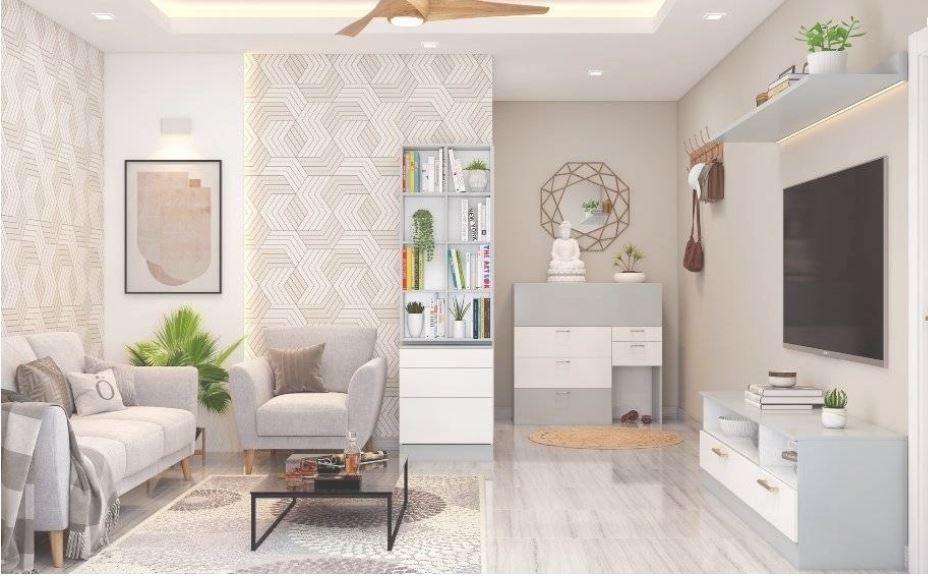
The residential construction industry often treats porcelain and ceramic tiles as interchangeable commodities. This assumption leads to expensive structural failures. A tile floor represents a permanent architectural finish. Selecting the wrong material for a specific environment guarantees cracked grout, chipped glazing, and severe water damage. Buyers must recognize the exact physical properties separating these two materials. The difference lies entirely in the chemical composition of the clay and the thermal intensity of the manufacturing process. Matching the correct tile to the environmental demands of a room guarantees decades of flawless performance.
The Manufacturing Science Behind The Clay
Both materials fall under the broad category of ceramics, built from earthen clay and fired in a kiln. The divergence happens in the refinement of the raw ingredients. Ceramic tile utilizes red, brown, or white clay mixed with water. The clay remains relatively coarse. The kiln reaches temperatures around 1,800 degrees Fahrenheit. This process yields a softer, more porous tile covered by a protective liquid glass glaze.
Porcelain requires a highly refined mixture centered on kaolin clay, fine quartz sand, and feldspar. Manufacturers press this dense dust into molds at extreme pressure before firing it at temperatures exceeding 2,200 degrees Fahrenheit. The feldspar melts during this extreme heating phase, creating a glass-like internal structure that binds the clay particles together completely. This vitrification process creates a slab of extreme density and rigid structural integrity. The resulting porcelain slab weighs significantly more than a ceramic tile of the exact same dimensions.
Analyzing Water Absorption Rates
The physical density directly impacts moisture resistance. The Tile Council of North America (TCNA) enforces strict industry classifications based entirely on water absorption rates. A tile must absorb less than 0.5 percent of its weight in water to earn the official porcelain designation. Ceramic tiles absorb significantly more water, often ranging from three to seven percent.
Placing a highly porous ceramic tile in a frequently wet environment invites disaster. The earthen clay absorbs standing water, expands, and breaks the chemical bond with the mortar below. The tiles lift off the subfloor and shatter under foot traffic. Porcelain repels water entirely. It acts as an impenetrable shield against moisture intrusion. This specific metric dictates exactly where builders can safely install each material.
Specifying Flooring For High-Traffic Zones
The main entryways, mudrooms, and kitchens of a house endure relentless physical abuse. Dropped pots, heavy boots, and dragging furniture scratch and impact the floor daily. Porcelain dominates these high-traffic residential zones. Its extreme density resists scratching and surface wear far better than standard ceramic.
Buyers selecting porcelain for floors often choose a through-body or color-body product. In a through-body porcelain tile, the pigment runs completely through the entire thickness of the material. Dropping a heavy cast-iron pan on this floor might cause a minor chip, but the damage remains virtually invisible. The exposed material underneath perfectly matches the surface color.
Glazed ceramic tile features a thin, printed surface layer baked over a soft, contrasting clay body. Dropping that same cast-iron pan on a ceramic floor chips the top glaze, instantly revealing the bright red or white clay underneath. The damage becomes a permanent, highly visible scar on the kitchen floor. Heavy residential and commercial flooring applications demand the unyielding strength of porcelain.
Vertical Applications And Wall Treatments
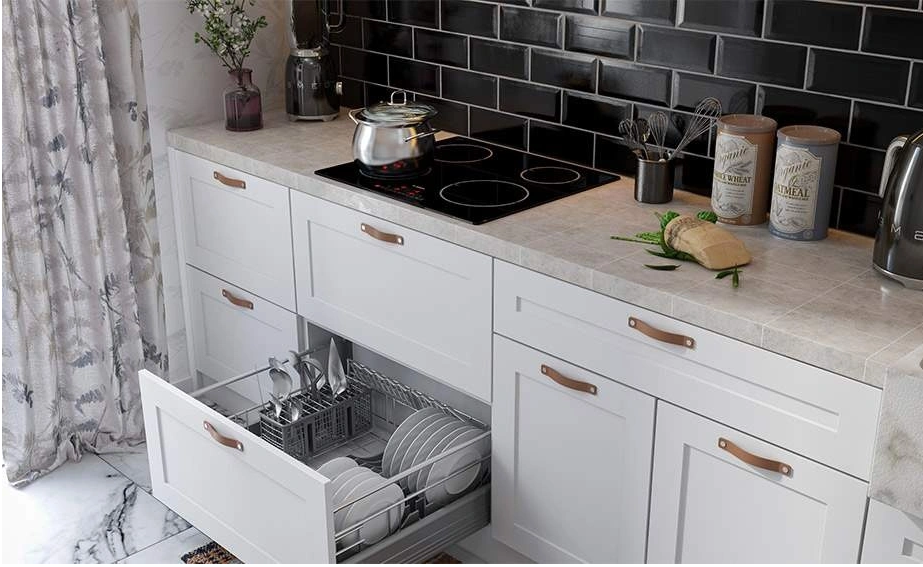
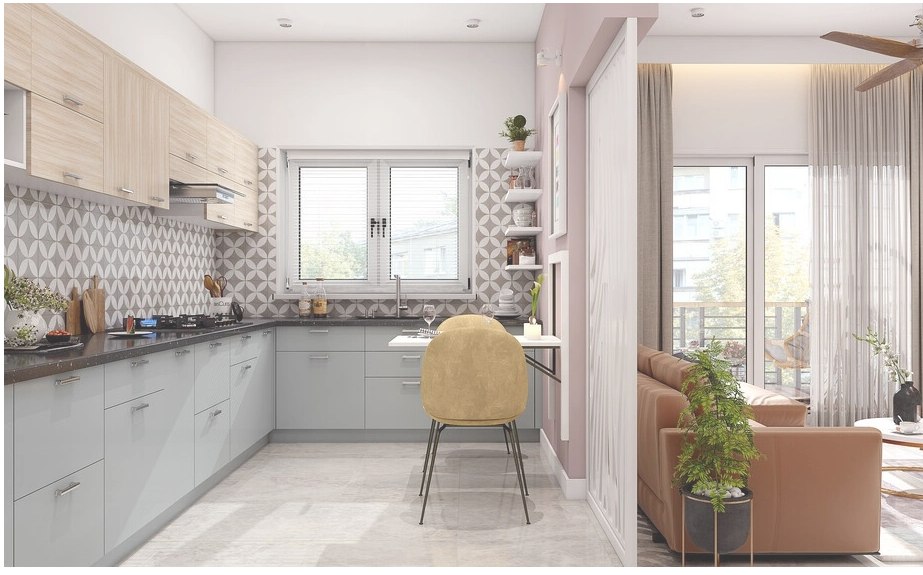
Floors endure kinetic friction. Walls endure zero foot traffic. This lack of physical stress completely shifts the material requirements for vertical applications. Ceramic tile provides the perfect solution for kitchen backsplashes, decorative feature walls, and wainscoting.
The lower density of ceramic offers a massive advantage for vertical installations. The tiles weigh far less than porcelain. They exert less gravitational pull on the drywall or cement board substrate. Installers can stack large-format ceramic tiles up a wall without fighting severe sagging during the mortar curing process.
Cutting ceramic requires less specialized equipment. Installers easily shape the softer clay around complex electrical outlets, plumbing valves, and tight cabinetry corners using a standard manual snap cutter. The ease of manipulation makes ceramic the undisputed standard for decorative wall treatments, offering vast aesthetic variety without the heavy structural demands of floor-grade materials.
Shower Enclosures And Bathroom Architecture
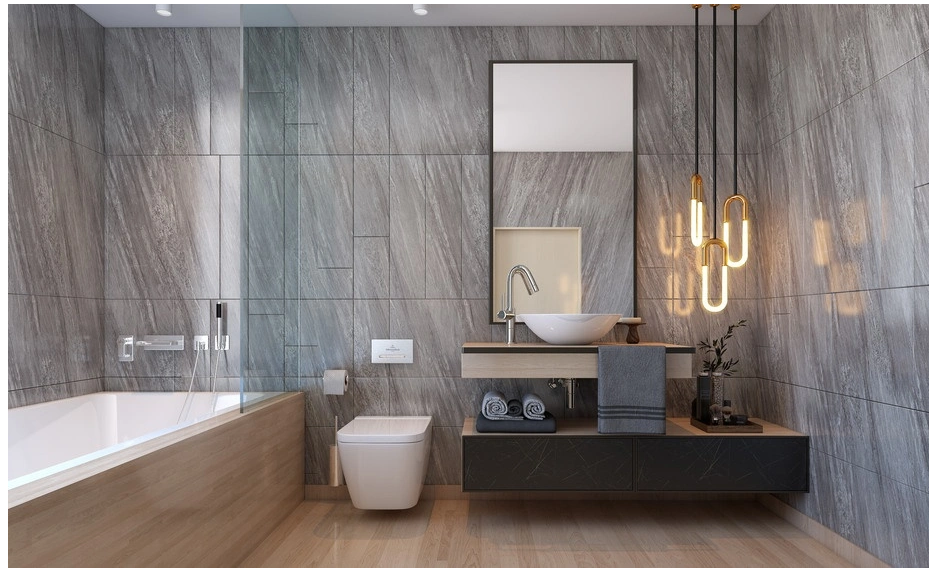
The primary bathroom merges high moisture exposure with daily foot traffic. The floor of a shower pan requires maximum water resistance. Porcelain serves as the only acceptable material for a custom, mortar-bed shower floor. The sub-zero water absorption rate guarantees the underlying waterproofing membrane receives minimal moisture exposure.
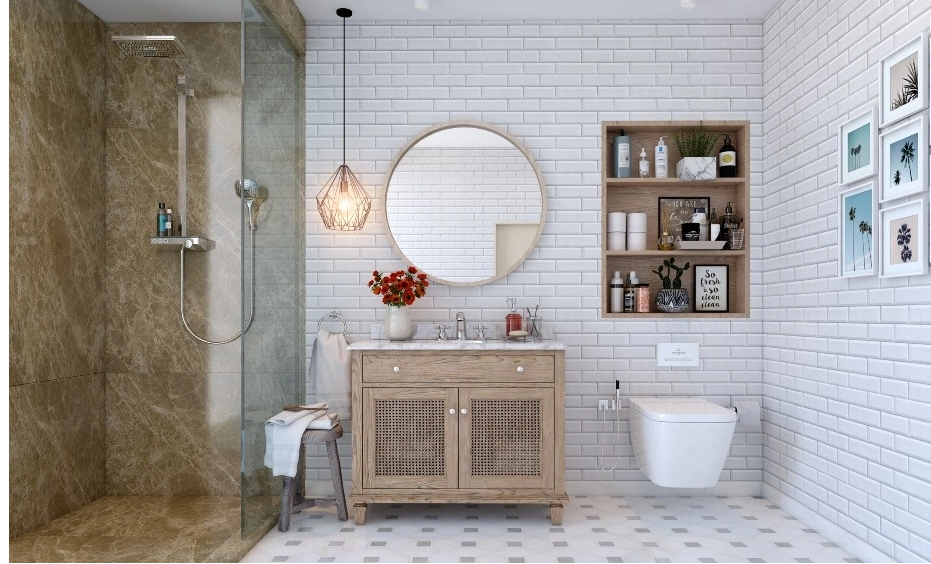
The walls of the shower enclosure offer slightly more flexibility. Large-format porcelain slabs dominate modern luxury bathrooms, providing a seamless, grout-free aesthetic that mimics solid marble blocks. Many designers mix the two materials in a single bathroom. They specify a heavy, slip-resistant porcelain for the main floor and the shower pan, then transition to a highly glazed, decorative ceramic subway tile for the shower walls. This strategy balances structural requirements with cost-effective decorative finishes.
Thermal Shock And Outdoor Installations
Exterior patios, outdoor kitchens, and pool decks face brutal environmental conditions. The tile must survive extreme solar radiation, heavy rain, and sudden temperature drops. Ceramic tile fails immediately outdoors in cold climates. The porous clay absorbs rainwater. When the ambient temperature drops below freezing, that trapped water turns into ice. The ice expands internally, shattering the ceramic tile from the inside out.
Porcelain ignores freeze-thaw cycles completely. The vitrified structure absorbs zero water, eliminating the risk of ice expansion. Exterior porcelain pavers, often manufactured at a massive two-centimeter thickness, can rest directly on crushed gravel beds or specialized pedestal systems without requiring a poured concrete slab. These heavy porcelain pavers resist ultraviolet fading, ignore pool chemicals, and provide a slip-resistant texture perfect for outdoor entertaining zones.
The Financial Variables And Installation Labor
The base retail price of the tile represents only a fraction of the final project cost. Ceramic tiles cost less to manufacture. The lower firing temperatures and less refined raw materials keep the price point highly accessible for budget-conscious renovations.
Porcelain carries a higher initial retail price. The installation labor adds another massive premium to the final invoice. The extreme hardness of porcelain destroys standard drill bits and cutting wheels. Installers must use expensive, continuous-rim diamond blades and water-cooled wet saws to cut porcelain cleanly. Drilling holes for plumbing fixtures requires specialized diamond core bits and significant time.
The mortar requirements change based on the material density. Ceramic tile bonds easily to standard thinset mortar. The porous back of the tile absorbs the moisture from the cement, creating a strong mechanical grip. Porcelain absorbs nothing. It requires highly modified, polymer-enriched thinset mortar to create a chemical bond with the substrate. These premium adhesives cost significantly more than standard cement mixtures.
Making The Final Architectural Decision
A successful interior relies on placing the correct material in the correct environment. Over-engineering a simple kitchen backsplash with heavy porcelain wastes money and slows down construction. Under-engineering a primary entry floor with soft ceramic guarantees a failed installation and a costly replacement a few years down the line.
Evaluating the specific environmental threats of each room dictates the final selection. Assess the expected water exposure, the daily foot traffic, and the risk of heavy impacts. Homeowners coordinating extensive structural remodels rely on experts in custom home building to match the architectural finishes with the precise demands of the floor plan. The framing, the subfloor preparation, and the tile selection must operate as a unified system. Treating tile as a structural building material rather than a simple decorative layer yields a residence that performs flawlessly under the stress of daily life.


