Remodeling budget challenges were not just a pricing annoyance in Angi’s 2026 home-spending data; they shaped what owners chose to fix, delay, scale back or hire out. For homeowners planning repairs, upgrades or smart-home improvements after September 1, 2026, the practical lesson is to treat budget pressure as a design constraint rather than a surprise.
As Renshaw Whitlock, I tend to look at remodeling through two lenses: daily function and safe integration. A smart thermostat, leak sensor or better exterior lighting plan can be useful, but only if the underlying project is scoped responsibly. If the roof leaks, the panel is outdated or plumbing work is uncertain, connected devices should not distract from essential repairs.
Why Remodeling Budget Challenges Are Steering Scope
Budget Pressure Is Showing Up In Finished Projects
Angi’s 2026 State of Home Spending Pulse reported that 92% of homeowners who hired professionals finished projects at or above budget, while 43% exceeded their original estimates. Among those who went over budget, more than one-third spent at least 30% more than planned, according to Angi’s 2026 report. That is a strong signal for owners to build more caution into project planning before demolition or ordering begins.
The same report showed a clear preference for essential work. Among recent homeowners who hired pros, 58% completed a repair within the past month and 63% completed maintenance work, compared with 35% who completed discretionary renovations. That pattern fits what many contractors and designers are seeing: owners still want better homes, but they are more selective about which work earns immediate funding.
A Practical Response To Remodeling Budget Challenges
A safer first step is to separate a project into three groups: urgent repairs, preventive maintenance, and optional upgrades. Urgent repairs include conditions that can threaten safety, weather protection, or basic home function. Preventive maintenance may not feel exciting, but it can reduce the chance that a larger failure interrupts a remodel. Optional upgrades can still matter, especially for comfort, but they should not consume funds needed for safe electrical, structural, plumbing, or moisture-related work.
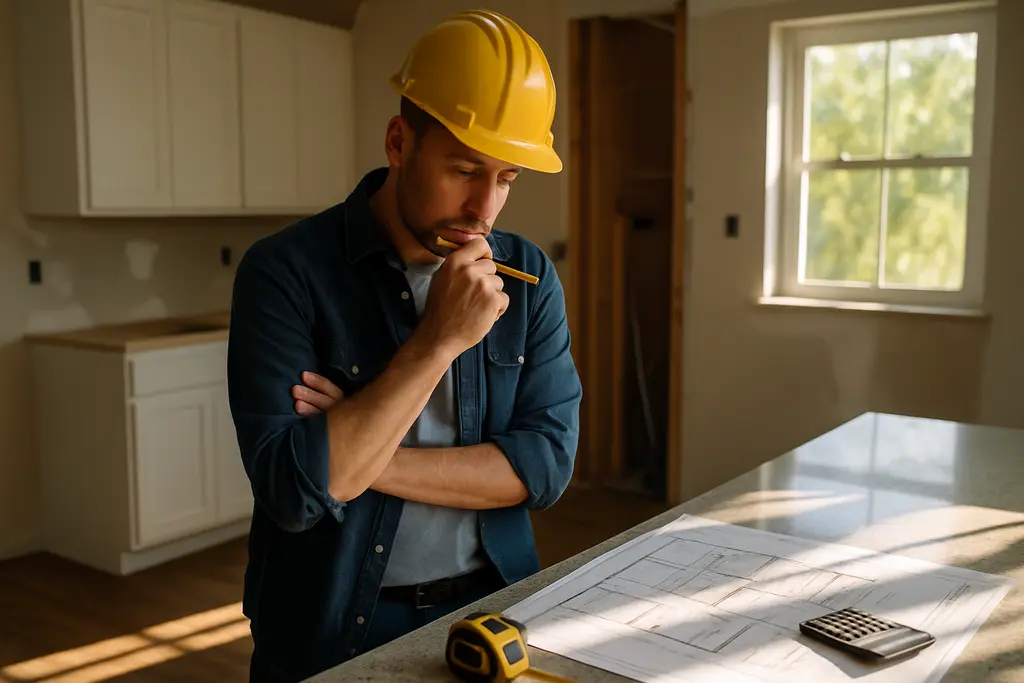
This is also where homeowners should resist overly optimistic allowances. If a contractor warns that hidden damage may appear behind walls or under flooring, that uncertainty should be reflected in the budget. Treat remodeling budget challenges as part of the project brief, not as a failure of planning. A budget with no contingency is often just a rough wish list.
What The 2026 Angi Pulse Shows
Affordability Is Delaying Some Work
Angi’s data pointed to affordability as a gating factor. The report said 59% of homeowners would be more likely to begin a project if cheaper materials were available, and 54% cited lower inflation as necessary before moving forward. Those figures do not mean cheaper is always better. They do show that owners are scrutinizing material choices, labor timing, and project size more closely.
For practical planning, that means bids should be compared by scope, not just by total price. A lower bid may exclude permits, disposal, finish materials, patching, code-related corrections, or smart-home wiring support. A higher bid may include those items. Before signing, ask each contractor to define what is included, what is excluded, and what conditions would trigger a change order.
Long-Term Plans Have Not Disappeared
The same spending pressure has not eliminated long-term interest in home improvement. Kitchen & Bath Business reported on Angi’s Pulse finding that 66% of homeowners planned to make a major home investment within five years, described as the highest level Angi had recorded. The report also noted that 97% said their home helped them manage stress, 96% said improvements increased day-to-day happiness and 95% believed investing in the home had been a smart use of money, as summarized by Kitchen & Bath Business.
That combination matters. Owners are not simply walking away from improvement; many are changing the order of work. A kitchen refresh might wait while a drainage issue, HVAC concern, or aging deck gets professional attention first. For a deeper comparison of safety-first scope choices, this related discussion of essential repairs and cosmetic upgrades is a useful companion.
Build A Budget With Safety Buffers
Plan The Project In Phases
Phasing is one of the more realistic tools for owners facing remodeling budget challenges. Instead of trying to finish every room at once, a phased plan can protect the work that carries the highest risk or daily value. For example, moisture correction, ventilation, damaged flooring, or unsafe wiring concerns should be evaluated before purely decorative changes.
A phased plan should still be coordinated. If a future smart-lighting plan requires switch locations, low-voltage pathways, or a stronger network location, it is better to discuss those needs before walls are closed. That does not mean doing every connected upgrade immediately. It means avoiding rework where a qualified electrician, builder, or low-voltage professional can safely prepare the home during a larger project.
Keep Change Orders From Becoming The Plan
Change orders are sometimes unavoidable, especially when hidden conditions are discovered. They become a problem when the original scope was vague. Homeowners can reduce risk by requesting written detail on materials, fixture allowances, labor assumptions, disposal, permit responsibilities, and site protection. If a product substitution is proposed, ask whether it changes safety, warranty terms, durability expectations, or compatibility with other systems.
- Set aside a contingency before approving optional design upgrades.
- Confirm who is responsible for permits and inspections where required.
- Use licensed professionals for electrical, gas, plumbing, and structural work.
- Ask whether smart-home products need neutral wires, low-voltage cabling, or network planning before installation.
- Pause cosmetic additions if an inspection uncovers water, wiring, or framing concerns.
Tool choices also deserve discipline. A capable homeowner may handle painting, shelving, or simple device setup, but risky tasks should not be treated as weekend experiments. For readers looking to compare practical tools and accessories focused on safety, the site High Pro Tools offers valuable resources and insights on essential tool use, highlighting the importance of following manufacturer instructions and employing qualified trades for hazardous work.
Smart Home Choices That Fit A Tight Scope

Start With Practical Monitoring
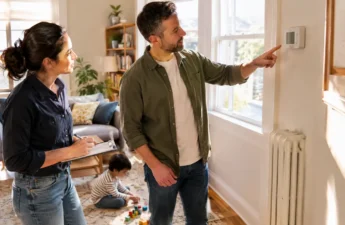
Smart-home upgrades make the most sense during a constrained remodel when they support safety, maintenance, or daily control. Leak sensors near vulnerable areas, better exterior lighting controls, garage alerts, or thermostat scheduling can be considered as part of a broader home plan. The key is not to assume technology compensates for poor construction, deferred repairs, or improper installation.
Homeowners should be cautious with devices that require hardwired installation. Doorbells, thermostats, lighting controls, and security equipment may interact with electrical systems, transformers, HVAC controls, or network coverage. If the work goes beyond plug-in setup or basic configuration, involve the right professional. Saving labor cost by guessing at wiring is not a sound response to budget pressure.
Think About Compatibility Before Buying
Budget stress often leads to impulse purchases because a sale price looks attractive. That can backfire if devices do not work with the home’s wiring, Wi-Fi coverage, hub choice, or future remodel plans. Before buying connected devices, identify where they will be mounted, how they will be powered, who will install them, and whether they remain useful if the next phase of work changes room layouts or finishes.
This is where modest planning can outperform a larger pile of gadgets. A reliable network location, safe power access, and realistic device placement can matter more than buying the newest item. Smart-home integration should support the remodel, not widen the scope until the budget becomes unstable.
Safer 2026 Choices For Remodeling Budget Challenges
Use Data To Set Boundaries
The 2026 Angi Pulse did not say homeowners should stop improving their homes. It showed that many owners were balancing ambition against price pressure, with a strong shift toward repairs and maintenance. That is a useful planning cue. If a project has to shrink, cut the least essential finish choices first, not the work that protects the home or keeps systems safe.
For practical decision-making, start with a written scope, a ranked list of needs, and a realistic contingency. Ask contractors to explain risk areas in plain language. If a bid depends on assumptions, make those assumptions visible. If a smart-home feature adds wiring, patching, or service-panel questions, price that work before committing.
Keep The Home Livable During The Work
Budget planning should also include the cost of disruption. Temporary cooking setups, dust control, pet safety, storage, and access to bathrooms or sleeping areas can affect daily life even when they do not appear as line items in a fixture allowance. Owners who work from home should also consider noise, internet access, and secure tool storage during active construction.
Remodeling budget challenges are easier to manage when every choice is tested against safety, function, and timing. A smaller project that resolves a real repair, prepares for future technology, and avoids unsafe shortcuts is often stronger than a larger project held together by thin allowances. In 2026, the careful owner’s advantage is not chasing the lowest number; it is knowing which parts of the home deserve funding first.