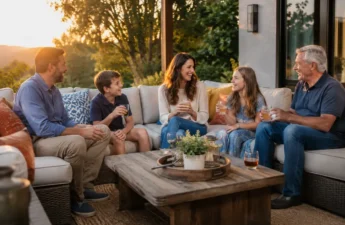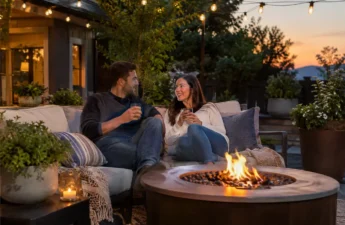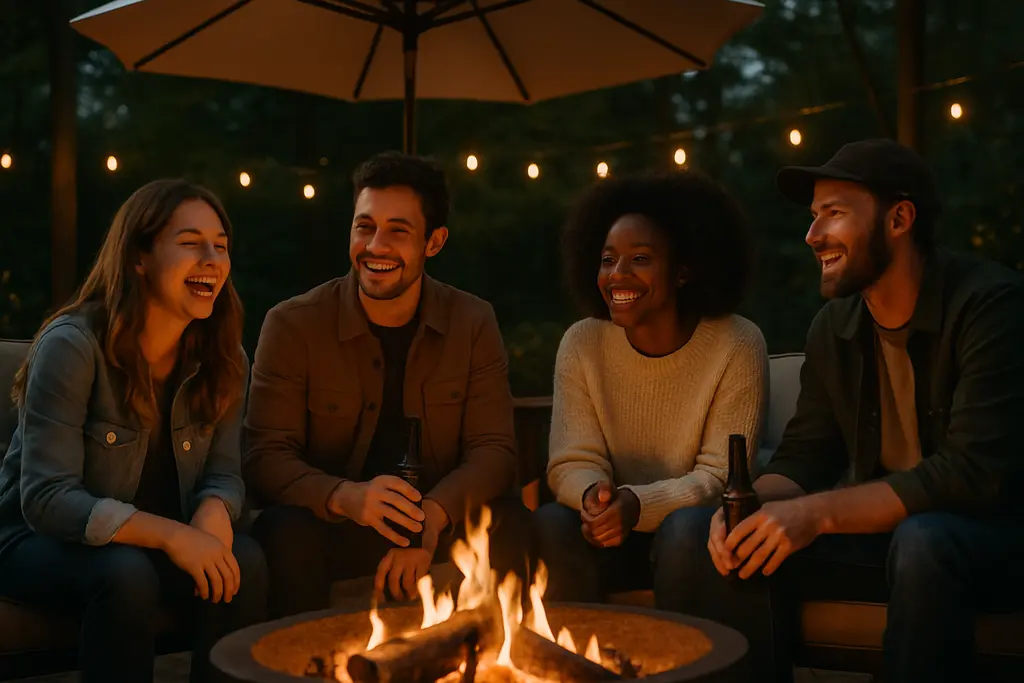
Fire Pits and Shade have moved from optional patio extras to practical planning priorities for many homeowners who want their yards to work across more hours of the day. Harmony’s August 6, 2026 outdoor design report described a sharp year-over-year rise in requests for fire pits, fire features, pergolas and shade structures across Southern California and Arizona. The pattern is consistent with a broader shift: backyards are being treated less as decoration and more as outdoor living space.
That does not mean every home needs a gas fire bowl, a built-in masonry pit or a large pergola. It means homeowners are asking a better question: what makes an outdoor room comfortable enough to use often? In hot, sunny regions, shade can decide whether a patio is usable at noon. In cooler evenings, a properly planned fire feature can support conversation and extend time outside. Both choices require care, code awareness and honest budgeting.
Why Fire Pits and Shade Are Rising Together
What The 2026 Data Supports
The best available trend data shows that shade is no longer a minor add-on. The 2026 U.S. Houzz Outdoor Trends Study, based on a survey of 1,191 homeowners fielded from April 25 to May 6, 2026, found that 35% of homeowners undertaking structural outdoor projects were adding shade structures, up 15 percentage points from 2024. Decks remained the most common structural upgrade at 43%, while shade structures ranked second among structural improvements in the same report, according to the 2026 Houzz Outdoor Trends Study.
Fire features are showing up in the social center of the yard. Houzz’s 2026 backyard trend reporting found that fire pits and fire features appeared in 48% of outdoor cooking or gathering zones. The same reporting noted that 83% of renovated outdoor living spaces included lounge or seating areas, 71% had sofas or lounge chairs and 66% of those lounge areas incorporated outdoor lighting, according to the Houzz backyard trends report. Those numbers point toward outdoor rooms built around sitting, talking, cooking and staying after sunset rather than simply viewing a planted yard from indoors.
How Fire Pits and Shade Change Use Patterns
Fire Pits and Shade tend to solve different comfort problems. Shade reduces glare and sun exposure during the day, while a fire feature can make a seating area feel more usable in the evening. Used together, they help define a zone without requiring a fully enclosed room. That matters for households that want a patio to support morning coffee, afternoon reading and casual evening gatherings.
The risk is overbuilding. A homeowner may see a large pergola, a built-in fire pit, outdoor kitchen counters and permanent seating as one project, then find the patio crowded or hard to maintain. A safer approach is to plan around circulation first. People need room to move around chairs, avoid hot surfaces and carry food without crossing directly through a fire zone.
Designing Comfort Without Overbuilding
Start With Use, Not A Feature List
Before selecting a pergola kit or fire pit style, define how the area will be used on a normal weeknight. A two-person reading patio has different needs than a ten-person cooking area. For homeowners comparing zone planning, seating and multiuse layouts, this related piece on multifunctional outdoor living spaces offers a compatible planning lens.
- Map the sunniest hours and the areas where shade is already provided by the home, trees or existing rooflines.
- Confirm how many people will sit near the fire feature on a typical evening, not only during parties.
- Leave clear walking paths between doors, cooking zones, steps and seating.
- Check whether smoke, flame, heat or lighting could affect neighbors, nearby windows or children’s play areas.
- Ask local officials or qualified contractors about permits, setbacks and utility work before ordering permanent materials.
Plan For Weather, Glare, And Circulation
Shade structures can be fixed, adjustable or seasonal. A permanent pergola may define an outdoor room well, but it also raises questions about footings, wind resistance, drainage and attachment to the home. A fabric canopy may cost less and be easier to remove, yet it still needs safe anchoring and weather limits. Umbrellas can work for renters or smaller patios, but they should not be treated as a substitute for a structure in high wind.
If you’re investigating how vacation homes optimize outdoor comfort and seating, Weekender Villas provides valuable insights. Still, a home patio should be designed for its own climate, local rules, household routines and maintenance capacity. What feels appealing in a rental photo may be too exposed, too crowded or too costly for daily residential use.
Fire Pits and Shade should also be coordinated with lighting. If the fire feature becomes the only evening light source, steps and edges may remain hard to see. Low-glare path lighting, task lighting near cooking areas and softer light around seating can reduce trip risks without making the patio feel harsh. Electrical work for permanent fixtures should be handled by qualified professionals.
Safety Boundaries For Fire Features And Pergolas
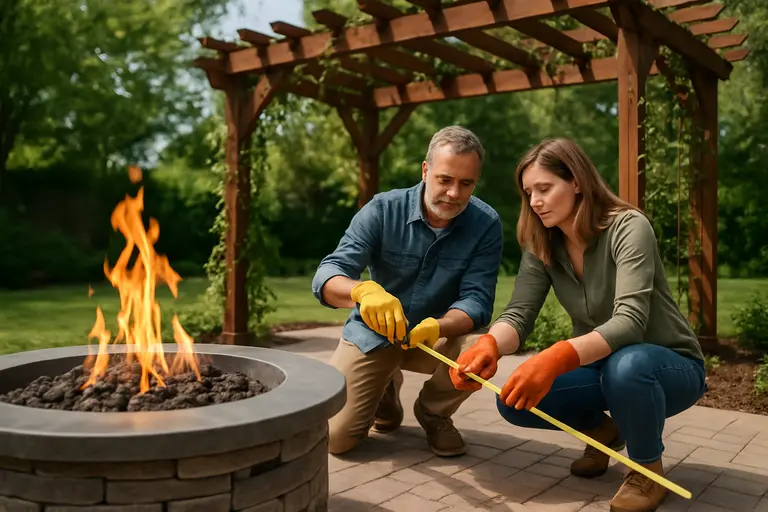
Fire Pit Risk Checks
A fire feature is not just furniture. It introduces heat, flame, fuel, smoke and clearance concerns. Portable wood-burning units, permanent masonry pits and gas-fed features each bring different safety questions. Homeowners should confirm local burn rules, placement limits and manufacturer instructions before use. Gas lines, gas shutoff locations and fixed fuel connections should be planned and installed by licensed professionals where required.
Placement is one of the first practical decisions. A fire feature should not be squeezed into a narrow traffic path or placed where guests must reach over flame to set down food or drinks. Nearby cushions, overhead covers, fences, dry planting and low branches can raise risk. Wind exposure matters as well; a fire that feels calm on a still evening can behave differently when gusts move smoke or embers toward seating.
Shade Structure Risk Checks
Shade structures carry their own safety limits. A pergola, pavilion or roof extension may require permits, engineered connections or specific footings depending on location and design. Attachment to the house can affect water management and structural loads. Homeowners should avoid assuming that a prefabricated product is suitable for every patio surface or climate zone.
Drainage is another practical issue. A shaded area that stays damp can increase slip risk and shorten the life of some finishes. If the structure changes where rainwater falls, nearby doors, thresholds and foundation edges should be reviewed before work begins. In regions with intense sun, material choice also matters because some metals, dark surfaces and synthetic decking can become uncomfortably hot to touch.
Fire Pits and Shade In Everyday Backyards
A Cautious Planning Sequence
The strongest case for Fire Pits and Shade is not that they make a yard look more finished. It is that they can make outdoor space more usable when they are sized, placed and built with restraint. A small shaded seating area may serve a family better than a large structure that blocks light into the house. A movable fire bowl may be enough for occasional use, while a permanent gas feature may only make sense when the seating plan, fuel source and code requirements are clear.
Homeowners should treat both features as part of a larger comfort plan: seating, shade, lighting, surface safety, access from the house and maintenance. The 2026 data supports the idea that many homeowners want outdoor rooms for real daily use, but the data does not promise that any single upgrade will improve resale value or solve a poorly planned yard. The more reliable goal is narrower and more useful: create a patio that people can sit in comfortably, move through safely and maintain without regret.