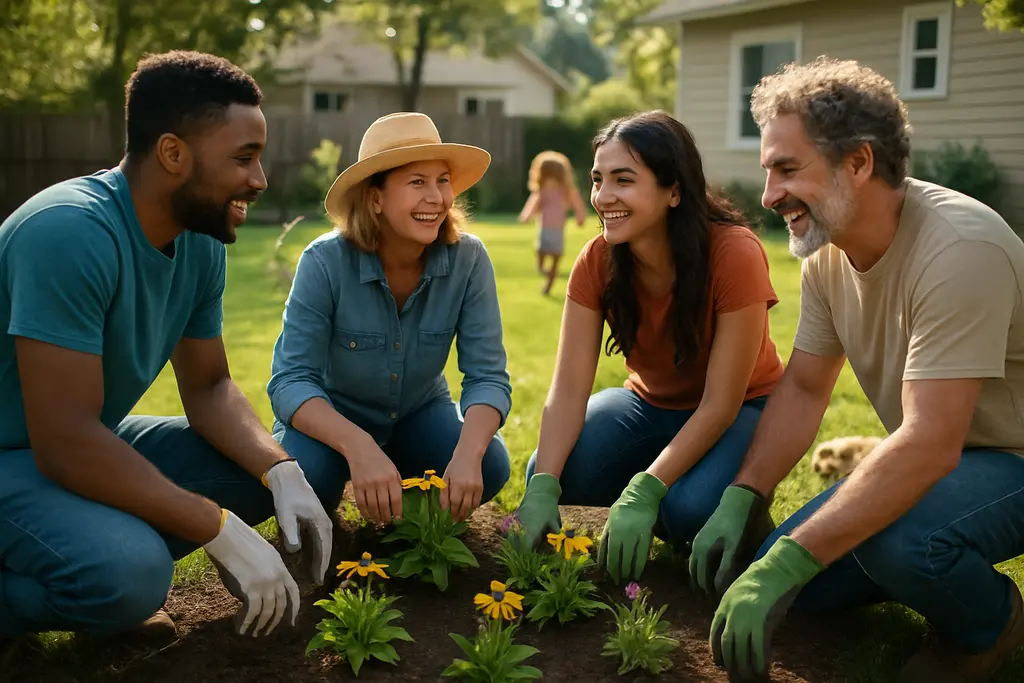
Climate-conscious landscaping is no longer only a specialty idea for large properties or drought-prone regions. For everyday homeowners, it can mean a more comfortable seating area, better shade, smarter plant choices, and fewer outdoor features that fight local weather. The goal is not to copy a resort courtyard or remove every lawn overnight. A safer, more realistic starting point is to ask which parts of the yard get too hot, shed too much water, or demand more upkeep than the household can support.
The trend also lines up with how people are using outdoor areas after remodeling. The 2026 U.S. Houzz Outdoor Trends Study, published on June 2, 2026 and based on 1,191 homeowners, found that 83% of remodeled outdoor spaces include a lounge or seating area, while 71% include a sofa or lounge chairs. That data supports a practical point: climate planning should serve daily use, not just appearance.
Why Climate-Conscious Landscaping Fits Daily Use
Climate-Conscious Landscaping Starts With The Seating Plan
A useful outdoor plan begins with where people actually sit, walk, cook, garden, and enter the home. If a patio is too exposed at 4 p.m., new furniture alone will not solve the problem. If a walkway channels stormwater toward a door, decorative gravel may not be enough. The strongest projects connect comfort goals with site behavior: sun direction, wind exposure, drainage patterns, mature tree locations, and the amount of care the owner can handle.
For a small suburban yard, that may mean shifting a lounge area closer to existing shade, using planting beds to soften reflected heat, and reducing thirsty turf in hard-to-maintain strips. For a narrow side yard, it may mean using a permeable walking surface and tough plants that can tolerate heat bouncing off fencing or siding. These are modest changes, but they often work better than a large makeover that ignores how the space is used on an ordinary weekday.
Homeowners planning seating, lighting, shade, and planting together may find useful related planning ideas in this article on outdoor comfort spaces. The design lesson is consistent: comfort features need to be placed with circulation, maintenance, and safety in mind.
Planting For Heat, Water, And Maintenance
Use Regional Cues Before Buying Plants
Plant selection is where inspiration can easily get ahead of performance. A plant that looks good in a photo may struggle in a hotter, drier, wetter, windier, or more shaded yard than the one shown. For climate-conscious landscaping, plant choice should start with local conditions and maintenance limits. Native and climate-adapted species can be good candidates, but the label alone is not enough. Soil, drainage, mature size, pest pressure, and exposure still matter.
Layered planting can help. Taller trees and large shrubs can reduce sun exposure in selected areas, while lower shrubs, grasses, and ground-level planting can reduce bare soil and help define outdoor rooms. Dense planting should not block required visibility near driveways, cover exterior vents, or create tight spaces against siding where moisture and pests may become concerns. In fire-prone regions, homeowners should seek local guidance on defensible space and plant placement rather than relying on general design images.
The U.S. Environmental Protection Agency reports that urban forests are, on average, 3.0°F cooler than nearby non-green urban areas; the agency also notes that trees can absorb 15% to 27% of annual rainfall and shade buildings in ways that may reduce energy demand, according to its page on tree and vegetation benefits. Those benefits are strongest when trees are selected, planted, and maintained correctly. A poorly placed tree can interfere with utilities, foundations, roofs, sidewalks, or sightlines as it matures.
Hard Surfaces, Runoff, And Shade
Think Beyond A Bigger Patio
Outdoor comfort is not only about plants. Hard surfaces affect heat, drainage, maintenance, and slip risk. Expanding a patio may create more room for seating, but it can also increase reflected heat and runoff if the material, slope, and drainage plan are poorly chosen. Permeable pavers, gravel paths, stepping stones, and planted gaps may be appropriate in some settings, but they still need proper base preparation and edge restraint. Where frost, clay soils, heavy rainfall, or accessibility needs are present, a professional assessment can prevent expensive corrections later.
Shade should be planned with the same caution. Trees offer long-term benefits, but they take time to mature. Pergolas, shade sails, awnings, and covered structures can help bridge that gap, yet they introduce attachment, wind-load, drainage, and permit questions. Homeowners should not fasten shade structures to siding, fascia, masonry, or posts without understanding the load path and local requirements. For permanent structures, hiring a qualified contractor is usually the safer choice.
Lighting also belongs in the climate discussion because people use cooler evening hours more often during hot periods. Low-voltage path lighting, step lighting, and well-placed task lighting can reduce trip risk, but electrical work near wet areas has safety requirements. Homeowners should use listed products, follow manufacturer instructions, and bring in a licensed electrician where new circuits, exterior receptacles, or hardwired fixtures are involved.
DIY Boundaries And Professional Help
Climate-Conscious Landscaping And Safer Tool Choices
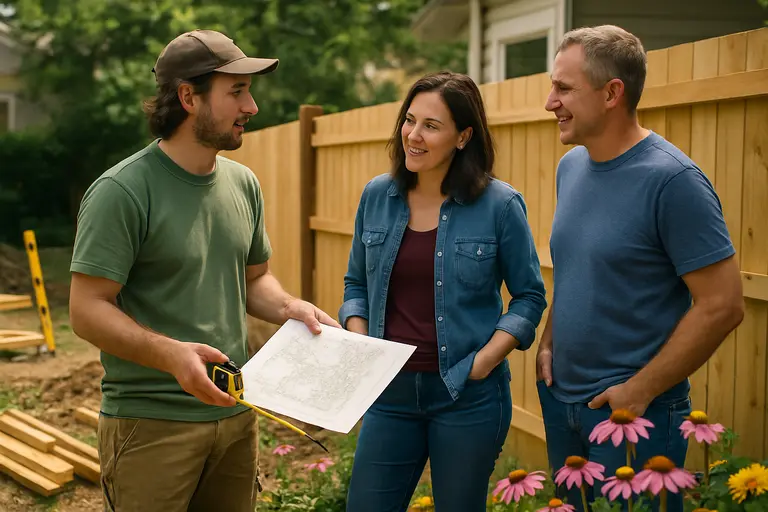
Many smaller tasks are reasonable for careful DIY work: removing small dead annuals, adding mulch at safe depths, assembling planters, placing loose seating, or marking sun and shade patterns across the day. Even then, basic personal protection matters. Gloves, eye protection, hearing protection for powered equipment, dust control, and safe lifting practices are not optional details. For homeowners comparing hand tools, measuring gear, or outdoor project basics, the related resources at HighProTools can support more informed tool selection.
Other work carries higher risk. Tree removal, major pruning near structures, grading changes, retaining walls, gas lines for fire features, irrigation tied to plumbing, exterior electrical work, and structural shade installations should be handled by qualified professionals. The same caution applies when runoff appears to be affecting a neighbor’s property, a foundation, a basement, or a public drainage route. A design that looks simple on paper can create water problems if slope and discharge points are misread.
- Map sun, shade, and hot surfaces before buying plants or furniture.
- Check mature plant size, water needs, and local suitability.
- Keep planting clear of vents, utility access, siding, and walkways.
- Use stable walking surfaces where children, older adults, or guests pass through.
- Plan lighting for steps, edges, and transitions, not just atmosphere.
- Hire licensed or qualified pros for structural, electrical, plumbing, gas, grading, and large-tree work.
Climate-Conscious Landscaping For Everyday Yards
Build The Project In Practical Phases
A climate-conscious landscaping project does not have to be completed all at once. In many homes, the better path is phased: first solve safety and drainage issues, then add shade and planting, then refine seating, lighting, and storage. This keeps the budget tied to visible use and reduces the risk of removing functional features before replacements are ready.
Cost recovery should be treated cautiously. A cooler, more usable yard may improve daily satisfaction, but no planting plan, patio surface, or outdoor seating area can promise a sale price. The more reliable value is practical: less wasted water where low-water planting is suitable, more comfortable outdoor time, reduced heat exposure in key zones, and fewer maintenance demands that exceed the owner’s capacity.
The best inspiration is not the most dramatic before-and-after image. It is a yard that fits its climate, its household, and its maintenance reality. With careful planning, climate-conscious landscaping can turn an exposed or high-upkeep outdoor area into a safer, calmer place to use through more of the year.