Outdoor living trends in 2026 are less about adding isolated features and more about making exterior space usable for sitting, talking, eating, reading, and settling in after sunset. The clearest evidence points to lounge areas and lighting as the practical center of many projects, but the safest plans still begin with scale, weather exposure, foot traffic, and realistic maintenance.
The 2026 U.S. Houzz Outdoor Trends Study, published on June 2, 2026, surveyed 1,191 U.S. homeowners and found that 83% of renovated outdoor or exterior projects include a lounge or seating area; 71% include sofa or lounge chairs; 66% of renovated lounge areas include outdoor lighting; and 55% include a coffee or side table Houzz outdoor study. Those figures support a practical design reading: homeowners are building spaces meant to function like outdoor rooms, not just decorative yards.
Why Outdoor Living Trends Start With Seating
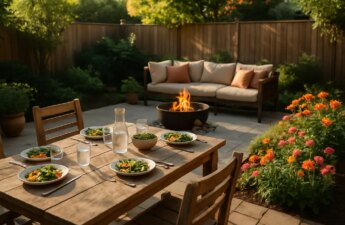
A lounge area is often the first planning decision because it determines how people move through the patio, deck, porch, or yard. Seating affects the distance to doors, the need for tables, the placement of lighting, and whether a cooking or dining zone feels too close for comfort. A sofa or lounge chair can make an exterior area more inviting, but the layout should not block exits, narrow steps, or create awkward paths across uneven surfaces.
Outdoor Living Trends And Lounge Layouts
The strongest reading of these outdoor living trends is that seating should be sized for actual use rather than for a staged photo. A household that regularly hosts six people needs different circulation than a household that mostly wants two chairs for evening reading. Before buying furniture, measure door swings, grill clearances, planter locations, and walking routes. If the lounge is near a pool, slope, fire feature, or steps, keep the plan conservative and avoid crowding the edge.
Tables deserve the same attention. Houzz reported that 55% of renovated lounge areas include a coffee or side table, which suggests homeowners want a practical surface for drinks, books, lamps, and small items. The safer choice is usually a stable table that does not tip easily, has enough clearance around seating, and fits the traffic path. Glass tops, lightweight pieces, or sharp corners may need extra caution in homes with children, pets, or frequent guests.
Planning For Use, Not Just Appearance
Outdoor furniture is exposed to sun, moisture, wind, and regular movement. The data does not say which materials last longest, so it would be unwise to make broad durability promises. A more reliable planning method is to ask how often cushions will be stored, whether covers will be used, and who will clean the space. A lounge that looks good but requires constant protection may be frustrating if the household wants everyday use.
For related planning ideas, the article on outdoor spaces for daily use is a useful companion because it treats patios as working areas with seating, lighting, and safety needs. Concepts for smaller settings, such as those found in weekend villa ideas, can provide meaningful comparisons for how compact outdoor spaces may effectively accommodate relaxed gatherings without feeling overcrowded.
Lighting Choices In Outdoor Living Trends
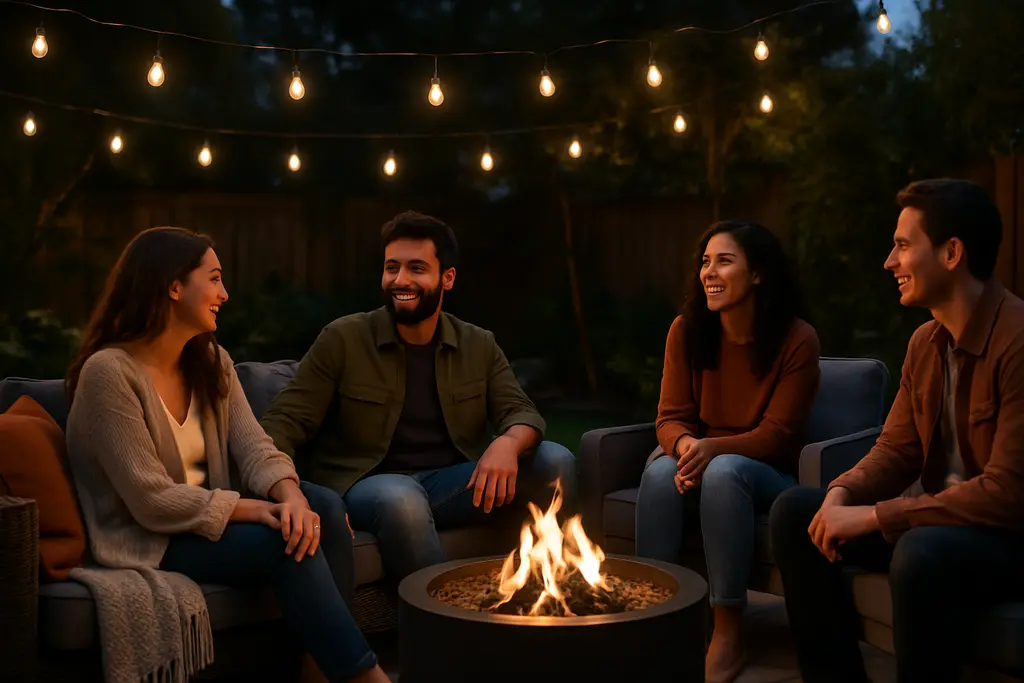
Lighting is one of the clearest signals that exterior areas are being planned for evening use. In the Houzz study, 66% of renovated lounge areas included outdoor lighting. That does not mean every patio needs a complex lighting package. It does mean lighting should be considered early, before furniture, planters, and shade structures make installation harder or create glare where people sit.
Layered Light Without Overlighting
A cautious lighting plan separates different jobs. Path lighting helps people see changes in level. Seating-area lighting supports conversation without shining directly into eyes. Task lighting may be needed near serving or cooking areas. Accent lighting can define planting or walls, but it should not replace visibility where people walk. One overly bright fixture can create shadows and discomfort; several lower-output sources may be easier to live with when placed carefully.
Electrical work outdoors carries risks because weather, moisture, and buried services may be involved. Homeowners should not treat wiring as a simple decor task. A qualified electrician can review fixture ratings, power supply, switching, weather exposure, and local permit needs. Solar or battery lights may reduce wiring needs, but they still need stable placement so they do not become trip points.
Glare, Steps, And Nighttime Movement
Good evening design is not only about atmosphere. It is also about seeing thresholds, stairs, furniture legs, garden edges, and changes in surface. If a lounge is used after dark, walk the route from the house to the seating area and back. Check where shadows fall, whether a door opens into a dark zone, and whether a table or ottoman is likely to interrupt the path. Outdoor living trends can support comfort, but comfort should not come at the expense of safe movement.
Shade, Tables, And The Daily Use Test
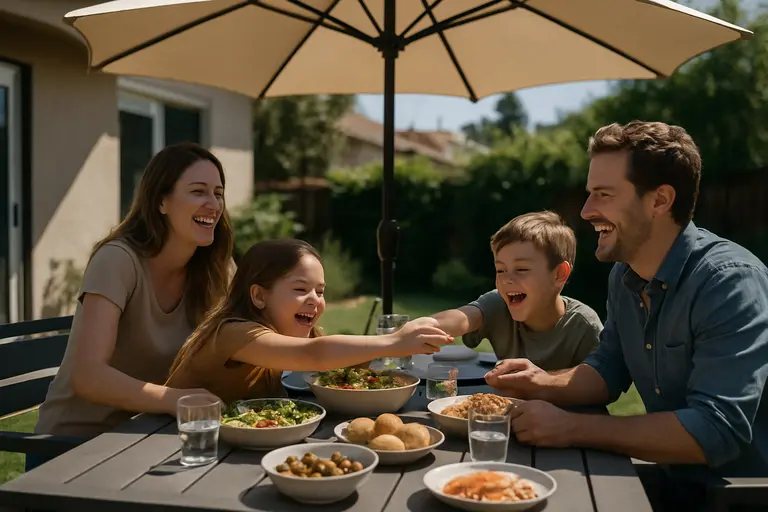
Shade is a practical partner to seating and lighting. Window Fashion VISION reported that, in 2026, 35% of homeowners doing structural outdoor projects are adding shade structures, up 15 percentage points over 2024, while screened-in porches reached 14% shade structure trends. These figures suggest that many homeowners are trying to make outdoor rooms more usable across more hours of the day.
Shade planning should be cautious because structures may involve footings, wind loads, drainage, attachment to the home, or electrical integration for fans and lighting. Homeowners can compare umbrellas, pergolas, awnings, covered patios, and screened porches, but any permanent structure should be reviewed by qualified professionals where structural work, permits, or electrical components are involved.
- Confirm how the sun reaches the lounge in morning, afternoon, and evening before choosing a shade type.
- Keep seating, tables, and planters out of primary walking routes.
- Plan lighting before final furniture placement, especially near stairs and doorways.
- Use professional help for permanent structures, outdoor wiring, and work attached to the home.
The daily use test is simple: can someone carry a drink outside, sit down, set the drink somewhere stable, talk comfortably, and return inside after dark without awkward movement? If the answer is no, the plan may need fewer pieces, better lighting, or a clearer path rather than more features.
Outdoor Living Trends For Everyday Use
Outdoor Living Trends are useful only if they lead to spaces that fit the household’s routines. A lounge that supports morning coffee, an evening conversation, or a quiet half-hour outdoors may be more valuable than a larger plan that depends on perfect weather and constant entertaining. The evidence from Houzz shows strong interest in seating, lounge chairs, lighting, and tables, while the shade data points to more attention on comfort during daylight hours.
The safest use of outdoor living trends is to translate them into measured design decisions: enough seating, enough surface area, enough light, and enough shade for the way the space will actually be used. Avoid copying a look without checking clearances, weather exposure, nighttime visibility, and maintenance. A well-planned lounge with restrained lighting can feel calm and capable without becoming difficult to care for.
For homeowners planning a project in 2026, the best starting point is not a shopping list. It is a short use plan: who will sit there, at what time of day, how they will move through the space, and what professional help is needed before any permanent work begins. That approach keeps outdoor living trends grounded in safety, comfort, and long-term practicality.