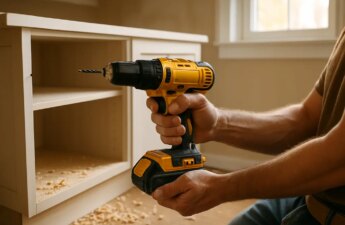
Recent tool deals can help homeowners control repair and remodeling costs, but only if the purchase matches a real project, a safe skill level and a finish plan that will last. The cost backdrop is not imaginary: prices for tools, hardware and supplies rose 6.6% from February 2025 to February 2026, compared with a 2.4% increase in the broader consumer price index over the same period, according to the Joint Economic Committee’s housing report housing cost findings. That pressure makes discounts attractive, but it also makes rushed buying riskier.
Why Tool Deals Need A Project Filter
A sale price should not be the first design decision. I see better outcomes when homeowners start with the project, then decide whether the tool, material or finish purchase supports that scope. A drill kit, saw, sander or flooring installation accessory can be a sensible buy for repeated, low-risk tasks. The same purchase may be wasteful if it sits unused after one weekend or encourages a homeowner to attempt work that should be handled by a qualified trade professional.
That distinction matters in the materials and finishes category because small decisions can affect large surfaces. Flooring, tile, cabinetry, countertops and exterior trim are not as easy to reverse as paint color or cabinet pulls. If a discount tool helps with careful measuring, surface preparation or assembly within the homeowner’s skill level, it may support the project. If the discount leads to a larger scope without permits, proper protection or professional review, the savings can disappear quickly.
Scope Before Checkout
Before buying, write down the project in plain terms: repair, replacement, cosmetic update or full remodel. Repairs that prevent water damage, address failing finishes or correct worn surfaces usually deserve earlier attention than decorative upgrades. A discounted tool is useful only if it moves one of those priorities forward. It is less useful if it creates a reason to buy more materials, rent more equipment or open walls without a plan.
Electrical, gas, plumbing, structural and roof work should be treated as high-risk unless a licensed professional has reviewed the task. Homeowners can still participate in planning, product selection and finish comparisons, but the installation boundary should stay clear. The safest deal is sometimes the one you skip because the project belongs with a contractor.
Tool Deals And Cost Per Use
Cost per use is a practical way to judge tool deals without relying on the size of the markdown. A lower-priced item that fails, lacks parts or performs poorly can cost more over time than a mid-priced option used repeatedly. For homeowners, the best value often comes from tools that support common maintenance: measuring, fastening, sanding, caulking, basic assembly and controlled finish touch-ups.
That does not mean every homeowner needs contractor-grade equipment. It means the purchase should match frequency, storage space, battery platform, warranty support and the risk of the job. A tool that is safe, understandable and repairable has more value than a deeply discounted item with vague specifications and no obvious path for replacement parts.
How Recent Tool Deals Fit Material Choices
By September 29, 2026, the major Labor Day sales period had already passed. This Old House’s 2026 Labor Day sale coverage identified both under-$25 items and larger markdowns across tool categories, showing how seasonal events can include small accessories as well as bigger-ticket purchases Labor Day sale roundup. For homeowners who missed that window, the lesson is not to chase the next promotion blindly. The better move is to prepare a short project list so future sales can be judged quickly and calmly.
Material and finish decisions should sit beside the tool decision. A discounted saw or installation kit may not matter if the flooring, trim or countertop choice is poorly suited to the room. Permanent finishes deserve more scrutiny because replacing them later is disruptive. Less permanent choices such as paint, decorative lighting, cabinet hardware and small accessories can carry more style risk because they are easier to update.
Permanent Finishes Deserve More Scrutiny
For durable surfaces, the priority should be compatibility with moisture, traffic, cleaning habits and the age of the home. Kitchens, baths, entries and laundry areas usually punish weak material choices first. Neutral, durable finishes are not always exciting in a showroom, but they often give homeowners more flexibility as furniture, paint and lighting change over time.
If material prices are already straining the budget, it is safer to reduce scope than to cut quality from the surfaces that carry the most wear. A smaller tile area, a phased trim plan or a repair-first cabinet strategy can be more practical than buying fragile finishes because they are discounted. For a related planning discussion, see this piece on remodeling material costs.
Bundle Math Should Include Batteries And Storage
Bundles can look attractive because they group tools, batteries, chargers and bags into one price. The value depends on whether each component will be used. A homeowner who already owns compatible batteries may not need another starter kit. Someone beginning from scratch may benefit from a consistent platform if the tools match realistic projects.
Storage matters as well. Tools kept loose in a damp garage, overloaded closet or hot shed may age faster or become harder to use safely. The best purchase plan includes where the tool will live, how blades or bits will be protected, and whether manuals and warranty information will be kept where they can be found.
Safety Filters Before Buying Materials And Tools
Discounts can blur judgment. A tool may be technically affordable while still being wrong for the user, the home or the project conditions. Before purchasing, homeowners should ask whether the work requires eye protection, dust control, hearing protection, clamps, stable work surfaces or professional installation. If the safety setup costs more than the discounted item, that is not a reason to ignore protection; it is a reason to reconsider the project.
- Buy for a defined repair or finish project, not for a vague future idea.
- Check warranty terms, replacement parts and battery compatibility before comparing prices.
- Prioritize permanent materials that tolerate daily use over trend-driven finishes.
- Keep high-risk electrical, gas, plumbing, structural and roofing work with qualified pros.
- Leave room in the budget for safety gear, fasteners, blades, disposal and surface preparation.
Warranty And Repair Access
A deal with no support can become expensive. Homeowners should look for clear warranty language, accessible replacement parts and a return process that fits the project schedule. This is especially relevant for battery-powered tools, specialty sanders, tile tools and outdoor equipment. If a project depends on one tool and that tool fails midstream, the delay can affect material storage, contractor coordination and room usability.
Finish materials have similar concerns. Extra flooring, tile or trim from the same production run can be valuable for future repairs, but overbuying without storage space creates clutter and potential damage. Keep spare material dry, labeled and protected if the manufacturer’s care instructions allow long-term storage.
Avoid Deals That Expand Risk
The riskiest purchase is the one that changes the project after planning has already started. A discounted demolition tool may encourage removing more than intended. A discounted specialty saw may tempt a homeowner into precision work without the right support. A discounted finish may require adhesives, underlayments or installation conditions that were not part of the original budget.
For homeowners also thinking about resale, design decisions should stay grounded rather than speculative. No finish or tool purchase can promise a sales outcome. For broader housing context from a related site in the same network, you may find Jimmy Guthrie Real Estate useful, but remodeling choices should still begin with safety, condition and day-to-day function.
Cost Pressure And Finish Priorities

The 2026 cost environment favors discipline. Tool, hardware and supply inflation has already outpaced the broader CPI in the cited period, and the same report noted sharp increases in steel and copper inputs. Those materials influence many home-improvement products, from fasteners and wiring components to tools, fixtures and some finish assemblies. Homeowners do not need to predict future prices to act wisely; they need a plan that avoids waste.
A common pattern in successful remodel planning is repair first, finish second and optional upgrades last. For example, a worn entry floor may justify spending on durable material, proper prep and safe installation support before buying decorative lighting. A laundry room with moisture concerns may call for practical flooring and ventilation review before cosmetic shelving. The design decision becomes stronger because it solves the condition of the space, not because a sale label appeared.
This approach also helps renters and owners with smaller budgets. A renter may be limited to removable improvements, basic tools and landlord-approved changes. An owner may have more control but also more responsibility for permits, warranties and long-term maintenance. In both cases, the right purchase is the one that supports allowed, safe work.
Tool Deals Worth Prioritizing
The strongest tool deals are not always the largest markdowns. They are the purchases that support repeat use, safer setup, clear maintenance and better finish decisions. Measuring tools, clamps, dust-control accessories, quality blades or bits, storage, and basic fastening tools can be more useful than a dramatic discount on equipment that does not match the home’s needs.
Homeowners should place every prospective buy into one of three categories: needed now, useful for repeated maintenance or unnecessary for the current plan. Needed-now items can be purchased if the specifications, safety requirements and warranty make sense. Repeated-use items are worth comparing across brands and battery platforms. Unnecessary items should wait, even if the sale looks temporary.
That cautious method may feel less exciting than filling a cart during a seasonal promotion, but it protects the project budget. It also keeps the focus on durable materials, safe work boundaries and rooms that function better after the tools are put away.