
High-ROI Remodeling projects deserve a clear-eyed reading of the 2026 data, not a rush toward the biggest possible project. The strongest cost-recovery numbers in the research came from visible, functional upgrades that buyers and homeowners notice right away: doors, siding, stone veneer, modest kitchens and practical bathrooms. Those projects can still fail to meet expectations if the home has unresolved water damage, unsafe wiring, poor installation or a scope that grows without control.
The useful lesson for everyday homeowners is not that any single project creates a certain sale price. Return figures are national estimates based on resale value compared with job cost, and local markets can vary. A cautious plan starts by asking whether the project corrects a real defect, improves daily use, strengthens curb appeal or reduces a point of buyer concern. For readers comparing several options, our related notes on remodeling ROI priorities for 2026 can help frame the repair-first mindset before design choices take over.
What 2026 Data Says About High-ROI Remodeling
The 2026 remodeling discussion relied heavily on the 2025 Cost vs Value data. In Bob Coulston’s 2026 compilation, garage door replacement recouped about 268% of cost nationally, steel entry door replacement returned about 216%, manufactured stone veneer reached about 208%, fiber-cement siding came in near 114%, midrange bathroom remodeling reached about 80%, wood deck additions recouped about 95%, and composite decks about 89% according to the remodeling ROI statistics. TwinBrother Builders’ 2026 summary, using 2025 data, reported that a midrange minor kitchen remodel yielded about 113% ROI in its project-type breakdown.
Garage Doors, Entry Doors, And First Impressions
Garage and entry doors ranked high because they combine curb appeal with function. A damaged garage door can make a well-kept house look neglected, and an aging entry door can raise concerns about weather resistance and security. Still, the high national return does not mean every door swap is equal. A homeowner should confirm size, insulation needs, opener compatibility, safety sensors and local exposure to wind or moisture before ordering materials.
Installation is not a casual task. Garage door systems include heavy panels, tracks, springs and motorized parts. Homeowners can inspect visible wear, keep the opening area clear and review product documentation, but spring replacement, track repair and opener wiring should be left to qualified technicians. The value case is strongest when the work is safe, permitted where required and matched to the home rather than treated as a cosmetic shortcut.
High-ROI Remodeling Starts At The Exterior
For High-ROI Remodeling, exterior projects stood out because they improve the part of the home buyers assess before stepping inside. Siding, manufactured stone veneer, decks and doors can make a home look better while addressing weather exposure. That dual benefit helps explain why exterior projects performed well in the 2025 data.
Exterior work also carries risk if details are missed. Siding replacement can expose rot, flashing problems or moisture intrusion. Deck projects involve ledger attachment, guardrails, stairs, footings and load paths. Homeowners can compare bids and materials, but structural connections and code questions belong with licensed or otherwise qualified professionals in the local area. A deck that looks attractive but lacks safe construction can reduce value rather than protect it.
Case-Style Choices For Everyday Budgets
Case-style planning is useful because most homeowners do not remodel from a blank sheet. They face worn finishes, limited budgets and competing priorities. The smart question is which project solves the most visible or functional problem without creating avoidable risk.
Case Lens: Curb Appeal Before Cosmetic Work
Consider a common planning scenario: a house has a dated garage door, faded siding near the street and an interior room the owner would like to repaint. The paint project may be satisfying, but the research points toward exterior upgrades as stronger cost-recovery candidates. If the garage door is damaged or unreliable, replacement may address appearance, operation and buyer confidence at the same time.
That does not mean all curb appeal spending is equal. A homeowner should separate repair needs from style preferences. Replacing failed components, correcting water-related issues and keeping materials consistent with the home usually creates a sounder plan than layering decorative upgrades over unresolved defects. If tools are part of the preparation process, homeowners can find helpful guidelines while reviewing basic tool categories and safety-minded buying criteria through tool-planning resources, leaving high-risk work to trained tradespeople.
Case Lens: A Modest Kitchen Scope
The kitchen number in the research favors restraint. A midrange minor kitchen remodel performed well in the cited 2025 data, which supports updates that improve usefulness without tearing the entire room apart. In practice, that might mean keeping the layout, replacing worn surfaces, improving lighting with qualified electrical help and fixing damaged components rather than expanding the footprint.
That is why High-ROI Remodeling often looks less dramatic than magazine-style renovation. A modest kitchen plan may preserve serviceable cabinets, avoid moving plumbing and focus spending on surfaces and fixtures that see daily use. Before ordering products, homeowners should check cabinet condition, ventilation, appliance dimensions and existing electrical capacity. Any wiring, gas, plumbing or ventilation changes should be handled by properly qualified pros, because unsafe work can erase the value of even a well-chosen design.
Safety, Scope, And Contractor Boundaries
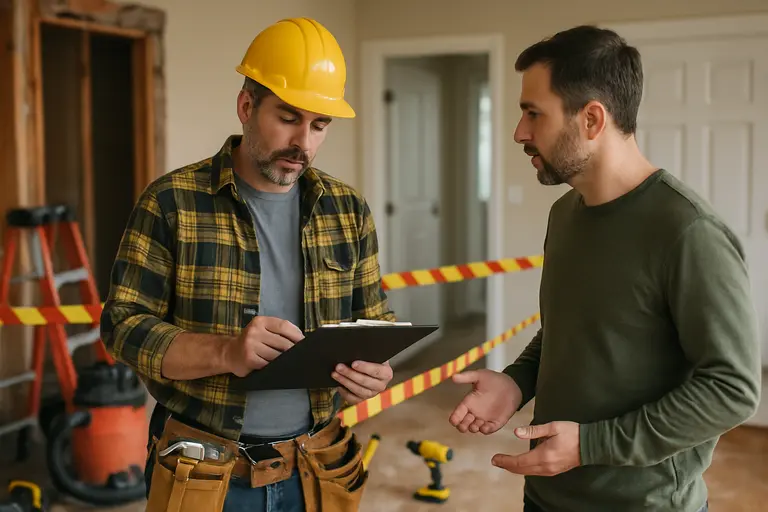
ROI tables are helpful, but they do not inspect the house. A project with a strong national return can become poor value if hidden damage appears, materials are mismatched or a contractor’s bid leaves out key work. The planning stage should include contingency thinking, written scopes and a clear split between homeowner tasks and professional tasks.
Where DIY Can Stay Limited
Some homeowner tasks are reasonable when done carefully: measuring existing finishes, documenting problem areas with photos, comparing product warranties, moving loose items away from work zones and asking contractors clear questions. Painting, light assembly and basic landscaping cleanup may fit some skill levels, but even low-risk tasks deserve eye protection, dust control, stable footing and manufacturer instructions.
Homeowners should be wary of online instructions that make hazardous work look simple. Electrical panels, gas lines, load-bearing walls, roofing, major plumbing and garage door springs are not good places to experiment. A lower labor bill is not a win if it creates injury risk, fire risk, water damage or failed inspection.
When To Bring In Licensed Help
Professional help is especially important for structural, exterior envelope and building-system work. Siding and stone veneer affect moisture management. Decks carry people and furniture. Kitchen and bath projects often touch water, ventilation and electrical systems. Even a door replacement can involve framing, weather sealing and hardware alignment that affect performance.
A practical bid comparison should look beyond the total price. Ask what is included, what may count as a change order, how hidden damage will be handled, who obtains required permits, what products are specified and how cleanup will be managed. The strongest project choice is not always the cheapest one; it is the one with a clear scope, suitable materials and safe execution.
High-ROI Remodeling Projects For Real Homes
High-ROI Remodeling works best as a priority system rather than a shopping list. Start with safety and building-envelope repairs, then consider the projects the 2025 data favored: garage doors, entry doors, manufactured stone veneer, siding, modest kitchens, practical bathrooms and well-built decks. Each option should be tested against the actual house, local buyer expectations and the owner’s time horizon.
A Practical Priority Order
- Repair first: Address active leaks, rot, unsafe systems and damaged exterior components before cosmetic upgrades.
- Favor visible function: Doors, siding and modest kitchen work performed strongly in the cited data because they are easy to see and use.
- Control the scope: Keep layouts where possible, avoid unnecessary system moves and define allowances before work starts.
- Respect safety limits: Use qualified professionals for structural, electrical, gas, plumbing, roofing and garage door spring work.
- Read ROI as a range signal: National averages can guide priorities, but they do not promise a specific resale result.
The homeowners who benefit most from the 2026 ROI index are the ones who use it cautiously. A high-ranked project can be a smart move when it fixes a real problem, fits the home and is built safely. A low-discipline scope can turn even a strong category into a costly distraction. Value protection starts with evidence, but it holds up only when the work is practical, well-scoped and safe.