Outdoor Wellness Zones are best understood as practical outdoor areas that support rest, quiet conversation, gardening, and safer evening use. The idea is not to turn a modest patio into a resort-style project. For most homeowners, the useful question is narrower: which parts of the yard can support daily comfort without creating maintenance, safety, or budget problems?
Recent design reports show why the idea has gained attention. Homeowners are asking more from outdoor spaces, but the stronger trend is not decoration alone. Seating, lighting, planting, privacy, and professional planning are showing up as repeat priorities. That gives everyday homeowners a reasonable framework: start with how the space will be used, then decide which upgrades need a contractor and which can stay simple.
Why Outdoor Wellness Zones Are Moving Into Everyday Plans
Outdoor Wellness Zones Start With Seating
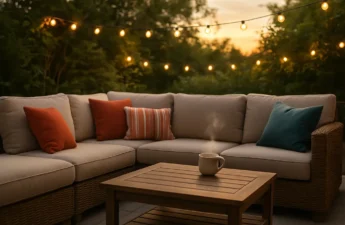
The clearest data point is seating. In the 2026 U.S. Houzz Outdoor Trends Study, 83% of renovated outdoor spaces included a lounge or seating area, and 71% of those seating areas included sofas or lounge chairs, according to the Houzz outdoor study. That supports a practical reading of the trend: comfort begins with a place to sit long enough to use the yard, not with a large buildout.
Outdoor Wellness Zones do not need to copy a spa. A shaded bench near a planting bed, two lounge chairs on a stable patio surface, or a small seating group outside a kitchen door may be more useful than a larger area placed too far from the home. Homeowners should watch for trip edges, unstable pavers, poor drainage, and furniture that blocks walking paths. Those details are easy to overlook during product shopping, but they affect whether the space feels restful or frustrating.
Lighting Extends Use, But It Raises Safety Questions
The same Houzz study reported that 66% of renovated lounge or dining areas added outdoor lighting. Lighting can make a seating zone easier to use after sunset, but it should be planned with restraint. Glare can make steps harder to read, while too little light can make transitions between deck, patio, lawn, and doorway unsafe.
For low-risk improvements, homeowners can often think in terms of visibility: entries, steps, walking paths, and dining surfaces need enough light to support movement and cleanup. Hardwired fixtures, new circuits, exterior outlets, and work near wet areas should be handled by qualified professionals. The Houzz study also reported that 71% of surveyed homeowners hired professionals for outdoor renovations, up from 65% in 2024; the survey ran from April 25 to May 6, 2026, among 1,191 U.S. homeowners. That hiring pattern is a reminder that outdoor work often involves more than furniture placement.
How To Plan Safer Zones Without Overbuilding
Separate Uses Before Buying Materials
A common planning mistake is buying the largest furniture set that fits the patio and then trying to make every activity work around it. A safer method is to separate the yard by use before choosing products. One zone may support morning coffee, another may hold a small dining table, and a third may serve planting or quiet reading. The spaces can relate visually without requiring the same flooring, furniture, or lighting in every location.
For homeowners comparing broader patio ideas, this related article on outdoor design trends offers a useful companion perspective on shade, seating, and everyday planning. The key is to avoid treating wellness as a single feature. A quiet zone that sits in full afternoon sun without shade may not be used often. A dining zone without safe task lighting may feel unfinished after dark.
- Map the walking path from the door to each zone before placing furniture.
- Leave room for chairs to move without catching on steps, planters, or grill areas.
- Keep heat features away from tight circulation paths and combustible materials.
- Plan storage for cushions, tools, and small accessories before the area fills up.
- Ask a professional about drainage, lighting, gas, electrical, or structural work.
Match The Scope To The Risk
Some outdoor upgrades are low-risk and reversible: movable planters, freestanding seating, shade umbrellas rated for outdoor use, or small storage pieces. Other changes carry more risk. Built-in benches attached to structures, pergolas, deck changes, fire features, gas lines, hardwired lighting, and retaining elements should not be treated as casual weekend tasks.
This is where a cautious approach protects both the homeowner and the project. If the plan changes how water drains, how people move across steps, or how power and fuel reach the space, it deserves professional review. Outdoor Wellness Zones should reduce stress, not introduce hazards that only become obvious after heavy rain, an evening gathering, or a season of wear.
Planting Choices That Support Everyday Wellness
Native And Climate-Adapted Planting Is Gaining Interest
Planting is becoming part of the wellness conversation because it can soften a hard patio, create modest screening, and make a yard feel less exposed. Yardzen reported that U.S. requests for native plants, pollinator gardens, and climate-adapted species increased 23% year over year in 2026 in its annual outdoor living trend report, as described in the Yardzen report. That does not mean every yard needs a full redesign. It does suggest that homeowners are looking for planting plans that do more than fill empty corners.
For everyday use, planting decisions should be practical. A dense hedge may improve privacy, but it can also block sightlines near steps or paths. A garden bed beside a lounge chair may feel calming, but thorny or messy plants may create upkeep issues. Climate-adapted choices may fit the trend, yet homeowners still need local nursery guidance, irrigation planning, and realistic expectations about establishment time.
Garden Areas Need Access, Storage, And Cleanup Space
Gardening can be restful, but the working side of a garden zone should not be ignored. Tools, soil amendments, watering supplies, and seasonal debris need a place to go. If those items spill into walking paths, the wellness value declines quickly. Storage does not need to be large; it needs to be close enough that cleanup actually happens.
Renters and homeowners with smaller spaces can still apply the same logic. Containers, raised planters, or a narrow planting edge can create a sense of separation without permanent construction. The safety checks remain the same: stable surfaces, clear access, manageable watering, and no blocked exits. Anyone looking at vacation properties for layout inspiration can compare how outdoor sitting and planting areas are arranged at Weekender Villas, offering great examples to adapt for personal use at home.
Budget And DIY Decisions For Outdoor Wellness Zones
Sequence The Project Instead Of Doing Everything At Once
Because the research points to seating, lighting, planting, and professional involvement, it can be tempting to plan all upgrades together. That may work for a full renovation, but it is not the only sensible path. A phased plan lets homeowners test how the yard is used before committing to built-ins, wiring, or major planting changes.
A reasonable first phase may include furniture placement, shade evaluation, and a check of walking routes. A second phase may address lighting or planting after the household sees where people actually sit. A later phase might involve professional work if the family decides to add permanent structures, hardwired fixtures, or a larger patio surface. This approach is less dramatic, but it can reduce waste and help avoid expensive changes to features that were placed too early.
Know Where DIY Should Stop
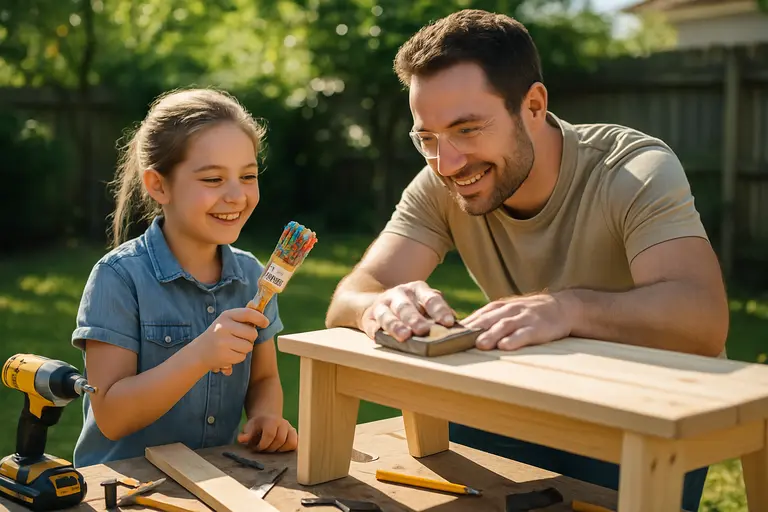
DIY work can fit outdoor wellness planning when it stays within safe limits. Moving furniture, testing layouts with temporary planters, choosing outdoor-rated cushions, and organizing storage are reasonable homeowner tasks. Work involving electrical systems, gas connections, deck framing, structural shade, major grading, or code-sensitive fire features should be assigned to licensed or otherwise qualified professionals as required locally.
Homeowners should also avoid assuming that a popular trend will return its cost at resale. The research cited here shows patterns in homeowner behavior and design requests; it does not guarantee property value gains. A better goal is to create an outdoor area the household can use safely and often, with choices that can adapt as routines change.
Outdoor Wellness Zones That Earn Their Space
The strongest Outdoor Wellness Zones are not the largest or most expensive. They are the areas that make daily use easier: a stable seating area with comfortable proportions, lighting that supports movement without glare, planting that adds privacy without creating maintenance trouble, and professional help where the risk justifies it.
For homeowners planning a patio, deck, or garden refresh after the 2026 trend reports, the practical takeaway is clear. Start with behavior, not products. Decide where people will sit, how they will move after dark, what needs watering or storage, and which parts of the work require a pro. That produces a calmer outdoor space with fewer surprises, which is the real value behind the wellness-zone trend.