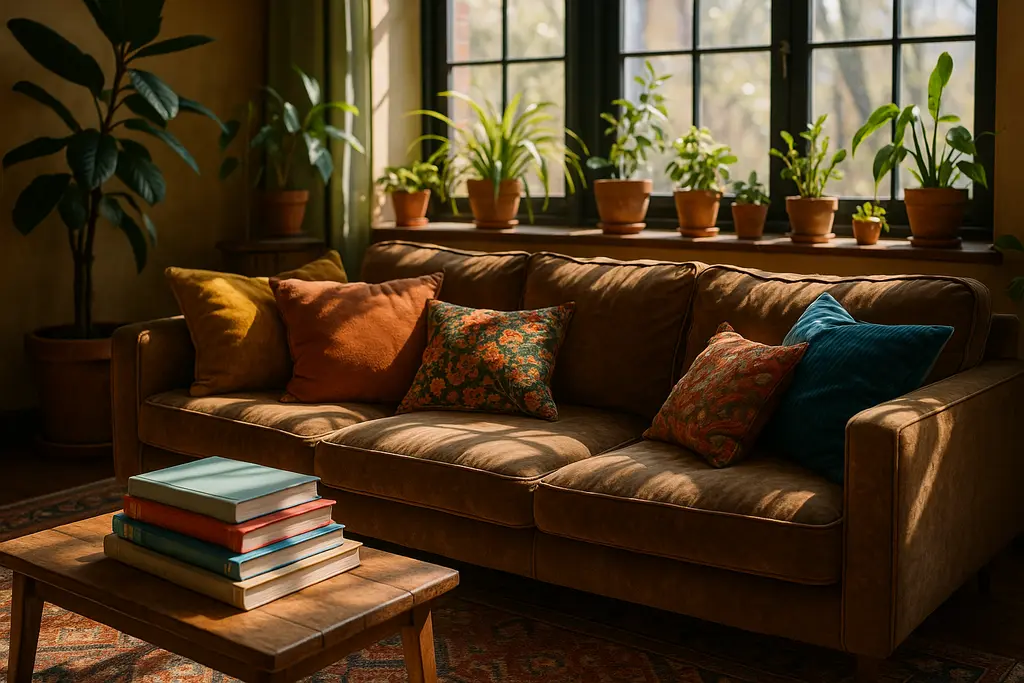
Maximalist layering can make a home feel personal, collected, and expressive, but it works best when the room still supports ordinary life. This is not a call to fill every wall, shelf, and table at once. A practical approach combines art, books, textiles, antiques, modern furniture, lighting, and personal collections in a way that still leaves room to walk, clean, sit, read, and gather safely.
Recent design coverage has framed the style as a move toward meaningful layering rather than simple accumulation. Livingetc describes the approach as combining objects collected over time, including art, antiques, textiles, and books, while mixing older and newer pieces and letting rooms develop gradually Livingetc on layered interiors. That slower pace matters. A room gains character when the owner can explain why things are there, not just how much has been added.
Plan Maximalist Layering Around Daily Use
Maximalist Layering Without Clutter
The safest way to approach maximalist layering is to begin with use, not decoration. Ask what the room must do on a normal weekday. A living room may need seating for conversation, a clear route to the patio, space for a pet bed, and a table that can hold drinks without balancing them on books. A bedroom may need easy access to closets, outlets, nightstands, and windows. If a new layer makes those tasks harder, it needs to be edited or moved.
Clutter is not the same as abundance. A layered room can hold many objects, but each group should have a purpose. A stack of books can support a reading corner. Framed art can define a seating area. A textile can soften a hard chair or reduce the visual weight of a dark sofa. By contrast, piles that block doors, cover heat sources, crowd stairs, or hide cords create avoidable risk. The design goal is a room that feels full of memory without becoming difficult to live in.
Start With How The Room Works
Before adding pattern or color, map the room by zones. Seating, storage, display, lighting, and circulation each need a clear place. In rented homes, this may mean leaning framed art on a console rather than making many wall penetrations. In owned homes, it may mean planning stronger shelves, picture hanging systems, or display cabinets with a contractor if the collection is heavy. If shelves, curtain hardware, or picture hanging systems require new tools, compare basic product information through home tool references before buying, and use a qualified professional for work beyond your skill level.
This planning step is less decorative than choosing fabric, but it prevents many design regrets. A layered room often fails because storage is treated as an afterthought. Closed storage is useful for less attractive items, while open shelves can show books, ceramics, small sculpture, or inherited pieces. Leave negative space around important items so the eye can rest and the object can be appreciated.
Build Depth With Objects That Earn Their Place
Mix Old And New With A Reason
A common error in maximalist layering is treating every vintage or modern item as equally useful. Mixing old and new can add character, but the pieces still need a shared relationship. That relationship might be color, material, scale, subject, or personal memory. A modern sofa can sit beside an antique side table if the proportions work and the table is stable enough for daily use. A contemporary print can work above a traditional chest if the colors or framing create a clear link.
Start with the strongest pieces already in the home. A rug, a substantial cabinet, a group of art, or a collection of books can become the base layer. From there, add smaller items only if they strengthen the room. If everything competes for attention, nothing feels intentional. For a related discussion of depth, color, storage, lighting, and safety in the same design direction, see this article on maximalist rooms at home.
Edit Collections Before Displaying Them
Zillow describes maximalist interior design as a style that can include curated personal collections, such as travel souvenirs and family heirlooms, to reflect the people who live there Zillow on maximalist design. The word curated is doing real work. A collection does not need every item on view at the same time. Rotating pieces seasonally or by room can keep the display fresh while reducing dust, visual crowding, and the chance of fragile items being knocked over.
For display, group similar objects instead of scattering them everywhere. Books can be arranged by subject, use, or visual weight. Small souvenirs may read better in a tray, shadow box, or cabinet than spread across every surface. Family objects deserve placement where they can be seen without being exposed to daily bumps. Heavy items should not sit on unstable furniture, and anything breakable should be kept away from high-traffic edges, especially in homes with children or pets.
Use Light, Texture, And Scale With Care
Layer Lighting At Safe Levels
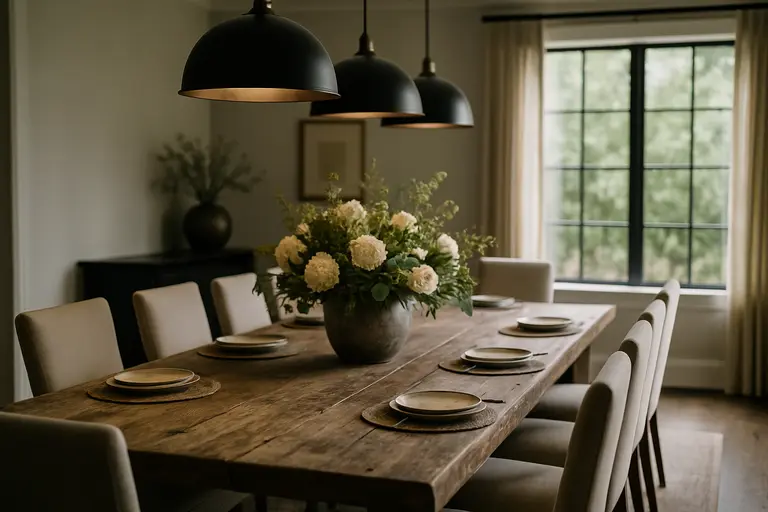
Layered lighting is one of the most useful ways to make a busy room feel controlled. The research notes support combining overhead, wall, and floor lighting to create mood and highlight key areas. In practice, that can mean a ceiling fixture for general light, sconces or picture lights for art, and floor or table lamps for reading. The room becomes easier to adjust across the day, from cleaning to evening conversation.
Electrical changes are a boundary line for most homeowners. Swapping a plug-in lamp is different from adding hardwired fixtures, moving boxes, or altering circuits. For hardwired lighting, hire a qualified electrician and follow local requirements. For design planning, think about where light falls before buying more objects. A dark shelf packed with small pieces can feel heavy; a softly lit cabinet or wall can make fewer items feel more considered. For deeper planning on fixture placement and mood, the site has a useful piece on layered lighting by room.
Choose Textiles For Comfort And Care
Textiles are a practical tool for softening hard surfaces. Curtains, cushions, throws, upholstered seating, and rugs can add warmth and make a room feel more welcoming. They can also reduce the hard, echoing quality that some rooms develop when they contain many frames, hard tables, glass, or ceramics. Still, textiles should be chosen with care. A beautiful throw that constantly slips onto the floor is not a success in a busy hallway or stair landing.
Scale matters. A small rug floating under a large seating group can make furniture feel disconnected, while too many small mats may create trip points. Pattern also benefits from restraint. If a room already has bold wallpaper, strong art, and patterned upholstery, quieter textures can give the composition balance. That does not mean the room has to become plain. It means every layer should help the space work better, not only look fuller.
- Keep walkways open: maintain clear paths to doors, seating, windows, and storage.
- Control cord visibility: use plug-in lighting carefully and avoid running cords through footpaths.
- Protect heavy displays: place weighty objects on stable furniture and seek help for wall-mounted storage.
- Rotate fragile pieces: display fewer breakables at one time in rooms used by children, pets, or frequent guests.
Maximalist Layering For A Livable Home
Let The Room Change Slowly
A careful maximalist layering plan does not need to be finished in a weekend. In fact, the research points toward a slower method: allow spaces to develop over time with objects that hold meaning and contribute to the room’s story. That pace is helpful for budgets, safety, and design clarity. It gives you time to see how the room performs before buying another chair, hanging more art, or covering another wall.
Photograph the room at each stage, then study what feels crowded or underused. If the eye has no place to pause, remove a few items before adding new ones. If a corner feels empty but functions well, consider lighting or texture before buying a large decorative object. If a collection is meaningful but visually busy, place part of it behind glass or divide it between rooms. The strongest layered interiors usually feel personal because they have been edited, not because every possession is visible.
For homeowners and renters, the best result is a room that expresses memory, taste, and curiosity while remaining comfortable to use. That means respecting scale, stable furniture, safe lighting choices, clear circulation, and realistic maintenance. Maximalist interiors can be warm and individual, but they still have to support the people who live in them every day.