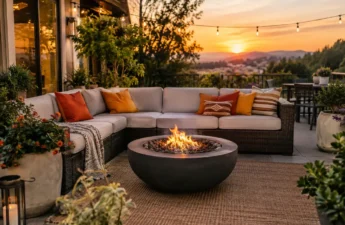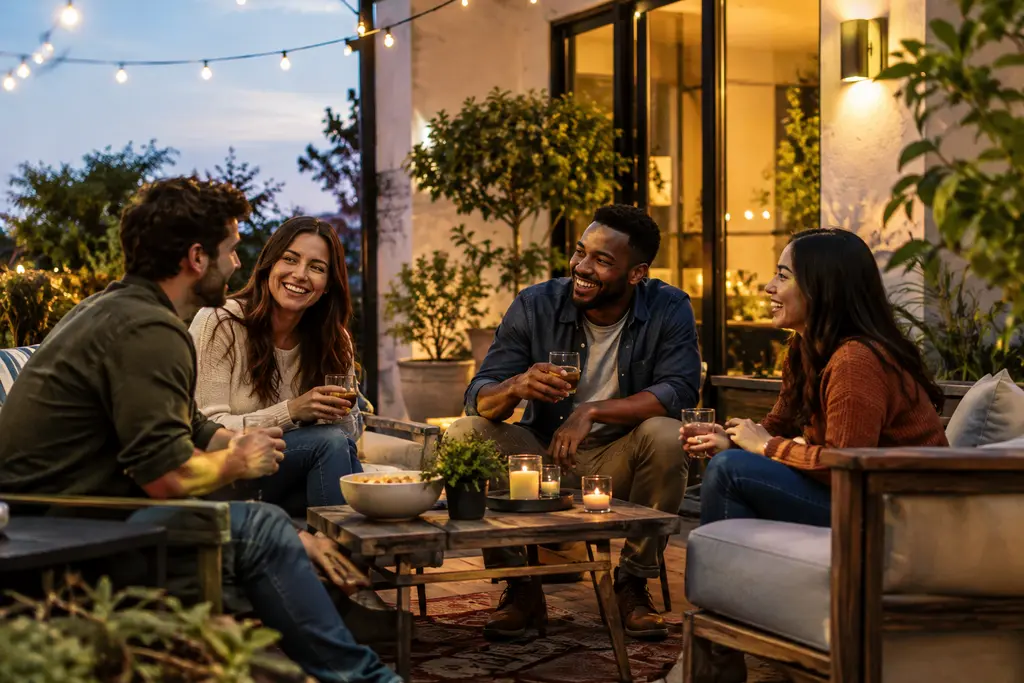
Outdoor lighting solutions are becoming a higher-priority part of patio, deck and yard planning because homeowners are asking outdoor areas to work later into the evening. The useful lesson from recent data is not simply “add more brightness.” Safer outdoor lighting depends on where fixtures are placed, how evenly light is distributed, how glare is controlled and whether the electrical work is appropriate for the home.
On June 2, 2026, the 2026 U.S. Houzz Outdoor Trends Study reported that 66% of renovated outdoor lounge areas included outdoor lighting to extend use into evening hours, based on a survey of 1,191 homeowners Houzz outdoor study. Qualified Remodeler, reporting on the same outdoor project trend data, noted that outdoor lighting was the most common product purchased in outdoor upgrades, with 29% of homeowners including or planning lighting system projects Qualified Remodeler trends. Those figures support a practical design point: lighting is no longer a late decorative add-on for many projects.
Why Outdoor Lighting Solutions Are Moving Up The Plan
Outdoor Lighting Solutions And Evening Usability
For most households, the first benefit is straightforward. A patio that goes dark after sunset loses value, even if the furniture, shade and planting are well planned. Lighting can support dining, conversation, cleanup, pet access and safer movement between the door, grill, steps and seating. The design challenge is to make those activities visible without creating harsh glare for people sitting nearby.
The recent trend data fits a broader shift toward outdoor rooms that operate more like everyday living space. Homeowners are not just adding fixtures for curb appeal. They are trying to extend the hours when outdoor areas can be used comfortably. A related discussion of outdoor lounges and lighting makes a similar point: seating, shade and illumination need to be planned together rather than treated as separate purchases.
Why Distribution Can Matter More Than Brightness
Recent research in the project brief pointed to a useful caution: beyond certain illuminance thresholds, more light did not keep improving pedestrian obstacle detection. That finding should make homeowners wary of assuming that the brightest fixture is the safest one. Even coverage across walking areas, steps and transitions is often more useful than a few intense points of light.
This matters near stairs, door thresholds, planters, grade changes and narrow side yards. A bright wall sconce beside a dark step can still leave a trip hazard. A lower-output fixture placed where it reduces shadow may perform better for daily use. For design planning, the key question is not “How powerful is the light?” but “Can a person see the next safe place to step?”
Controls, Color And Fixture Choices Need Limits
Smart Features Should Serve Clear Use Cases
Configurable fixtures, color-changing options, motion sensing and hybrid wired or wireless controls were all identified in 2025-2026 lighting trend research. These features can help when they solve a defined problem. For example, dimming can reduce glare during conversation, motion activation can support brief trips outside and selectable color temperature can help a homeowner choose a warmer tone for a lounge area rather than a cool, stark look.
Smart controls also introduce practical questions. Outdoor equipment has to withstand weather exposure, and any connected device depends on power, placement and network reliability. A simple timer, photocell or motion sensor may be enough for a side path. A larger patio with multiple zones may justify more advanced controls, especially if the owner wants different settings for cooking, dining and late-evening cleanup.
Color Tuning Is Not A Substitute For Safe Layout
Color-changing technology can be attractive, but it should not distract from the basics. Steps, walkways and task areas still need dependable visibility. Warm light can feel calmer in a lounge zone, while brighter task lighting may help near a grill or work surface. The safer approach is to assign each area a job first, then choose color and controls that support that job.
Dark Sky–friendly demand was also noted in the research brief. For homeowners, that usually points toward shielded fixtures, careful aiming and avoiding unnecessary spill into neighboring properties. Local rules vary, so homeowners should check municipal requirements or homeowner association standards before buying fixtures in bulk. This is especially relevant for front yards, shared side yards and properties near sensitive natural areas.
Practical Safety Checks Before Buying Fixtures
Start With The Walking Route
A good plan starts at the routes people actually use after dark. Map the path from the interior door to the seating area, grill, trash storage, gate and driveway. Note any steps, uneven pavers, changes in surface material or tight turns. These are the places where outdoor lighting solutions should do real safety work, not just add atmosphere.
- Place light where it reveals changes in level, not where it shines into a seated person’s eyes.
- Use layered lighting so one failed lamp does not leave the entire route dark.
- Check glare from both seated and standing positions before final fixture placement.
- Keep controls simple enough that guests and family members can operate them without guessing.
- Use weather-rated products appropriate for the exposure location.
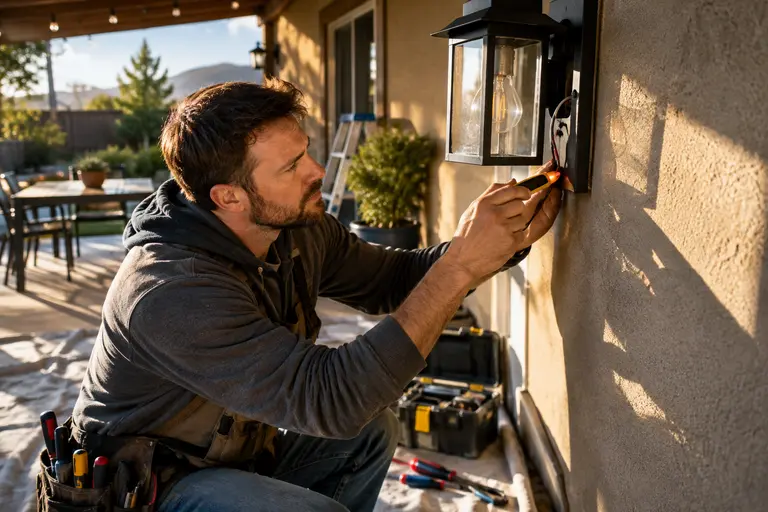
Renters can apply the same thinking with plug-in, battery or solar products where allowed, but they should avoid altering wiring or mounting fixtures in ways that damage the property. Owners planning hardwired fixtures, new circuits, transformers or controls should bring in a qualified electrician or licensed professional as required locally. Electrical safety, grounding, wet-location ratings and code compliance are not good areas for trial-and-error work.
Budget For Planning, Not Just Products
Because lighting was identified as a common outdoor upgrade, product selection can feel like the main decision. In practice, layout usually determines whether the money is well spent. A project may need fewer fixtures than expected if they are placed well. It may need more zones if one switch would force the grill, lounge and side path to share the same brightness level.
Homeowners comparing quotes should ask what the design is meant to solve: path visibility, step recognition, seating comfort, task lighting, security perception or a mix of these needs. The answer affects fixture height, beam spread, shielding, controls and switching. For broader housing context from a related site in the same network, Jimmy Guthrie Real Estate offers extensive resources and insights into housing trends, but lighting plans should still be based on the conditions at the specific property.
Outdoor Lighting Solutions That Stay Practical
The strongest lesson from the 2026 outdoor data is that lighting is now part of how homeowners define usable outdoor space. That does not mean every patio needs an elaborate control system or dramatic color effects. It means outdoor lighting solutions should be planned with the same care as circulation, seating and shade.
A practical design gives people enough visibility to move safely, enough control to reduce glare and enough restraint to avoid overlighting the yard. It also respects the boundary between homeowner decisions and professional electrical work. For many homes, the best result will come from a short list of priorities: light the walking route, reduce shadows at steps, use shielded fixtures, choose controls people will actually use and hire qualified help where wiring or code compliance is involved.
That approach keeps expectations grounded. Lighting can improve usability and perceived safety after dark, but it cannot fix unstable paving, narrow paths, poor drainage or unsafe stairs by itself. The most durable plans treat light as one layer in a safer outdoor setting, not as a cure for every design problem.