Outdoor spaces in 2026 are being planned less like occasional entertaining zones and more like daily living areas. The shift is supported by the 2026 U.S. Houzz Outdoor Trends Study, fielded from April 25 to May 6, 2026, with about 1,191 respondents, which found that personal use and comfort are stronger drivers than resale alone in many projects, according to the Houzz press release.
For homeowners, that data points to a practical design question: what would make a patio, yard or deck useful on a Tuesday evening, not only during a holiday cookout? The answer tends to involve comfortable seating, shade, safer lighting, surfaces that can handle weather and a clear boundary between reasonable DIY work and projects that need licensed trades.
Outdoor Spaces Are Being Planned For Daily Living
The strongest outdoor projects start with frequency of use. A homeowner who drinks coffee outside most mornings needs different planning than a family that mainly hosts large meals twice a month. Both can be valid, but the layout, lighting and material choices should follow the real routine.
Outdoor Spaces Start With Seats, Tables And Light
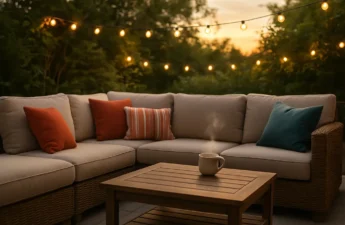
Houzz reported that 83% of renovating homeowners in 2026 included a lounge or seating area in an outdoor project. Among those lounge areas, 71% used sofas or lounge chairs, 66% included outdoor lighting and 55% included a coffee or side table, according to the Houzz outdoor trends report.
That mix says a lot. Seating alone is not enough if no one has a place to set a drink, read comfortably or walk safely after sunset. In practical outdoor spaces, the table is not an accessory; it helps the area function. Lighting should be planned for movement, steps, cooking zones and cleanup, not only for mood. Homeowners should use exterior-rated fixtures and ask a qualified electrician to handle new circuits, buried wiring or changes to the electrical panel.
Resale Is No Longer The Main Project Trigger
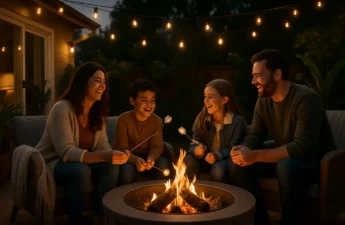
The same research found that 25% of homeowners cited making outdoor spaces more accommodating as a renovation trigger, while 15% cited improving resale value. That does not mean resale is irrelevant. It means the stronger everyday value may come from comfort, shade, seating and safe use across more hours of the day.
This is a useful check against overbuilding. A homeowner may not need a large outdoor kitchen if the household rarely cooks outside. A smaller seating zone with durable chairs, a side table, shade and lighting may produce more daily use with fewer maintenance demands. For broader planning ideas in this same direction, the discussion of outdoor renovations for personal enjoyment connects well with the 2026 shift away from resale-first thinking.
What The 2026 Data Says About Outdoor Rooms
The research does not suggest one universal backyard formula. It shows a set of repeated priorities: lounging, evening use, cooking, storage and infrastructure. The safest interpretation is that homeowners are extending household routines outside, but the project scope varies widely.
Lounge Areas Need Practical Edges
A seating area should be tested on paper before furniture is bought. Homeowners can mark expected chair depths, table clearance and walking paths with tape or temporary markers. This low-cost step often reveals whether a sectional blocks a door, whether a coffee table crowds a step or whether dining chairs will scrape against a wall.
Materials should match local exposure. Cushions, frames and flooring age differently under sun, rain, freeze-thaw cycles and wind. The supplied research supports the popularity of outdoor seating, but it does not prove that any one material is best for every climate. That uncertainty matters. A covered patio may tolerate different furniture than an open deck, and a shaded yard may have different moisture issues than a full-sun courtyard.
Outdoor Kitchens Bring Higher Project Risk
Outdoor kitchens deserve extra caution because they can involve gas, plumbing, electrical work, heating elements, appliances and heavy built-ins. Houzz reported that 12% of homeowners renovating or adding outdoor structures added or upgraded an outdoor kitchen, and 95% of those kitchens were new construction rather than remodels. The same release reported that 68% included plumbing, electrical or heating systems.
Those figures help explain why this is not a casual weekend upgrade for many households. Grills, sinks, beverage refrigerators, cooktops, pizza ovens and televisions were all identified in the research as common or notable features in these projects. Each added feature can affect ventilation, clearances, drainage, appliance ratings, weather protection and service access. Homeowners should use licensed professionals for gas, electrical and plumbing work, and they should check local permit requirements before construction starts.
Planning Choices That Keep Projects Usable
Good outdoor planning is usually less dramatic than it looks in finished photos. It depends on clear zones, modest maintenance expectations and safe movement between the house and yard. The best projects often solve small irritations first: glare at dinner, no place to charge a speaker, a dark step, wet cushions or a grill placed too close to foot traffic.
Map Circulation Before Buying Furniture
A simple circulation plan can prevent expensive missteps. Start with doors, stairs, gates and the route from kitchen to seating. Keep cooking traffic away from children’s play paths when possible. Avoid placing furniture where people must squeeze behind chairs, step around table legs or cross directly behind a hot grill.
This is where homeowners can save money safely. Measuring, sketching, comparing furniture dimensions and testing temporary layouts are low-risk planning tasks. Cutting structural members, altering deck supports or fastening heavy overhead features is different. Those jobs can affect safety and should be handled by qualified pros.
Use Shade And Lighting As Safety Tools
Shade can make an outdoor room more comfortable, but it also affects how people move and how long materials last. Umbrellas, pergolas, awnings and covered patios each carry different wind, fastening and maintenance concerns. If a shade structure attaches to the home or changes drainage, professional review is prudent.
Lighting should be layered. Path lighting helps movement. Task lighting supports cooking and cleanup. Softer lighting can make seating areas more pleasant without leaving steps or edges in darkness. Solar lights may help in some locations, but homeowners should not assume they will provide reliable safety lighting in every season or shaded area.
Safety And Hiring Boundaries For Outdoor Projects

Outdoor work can look simple because it happens outside, but exposure to weather often makes the details less forgiving. Water, heat, wind and uneven surfaces can turn a design flaw into a safety problem. A careful project plan should separate cosmetic choices from infrastructure decisions.
Keep DIY Work In The Lower-Risk Lane
Reasonable DIY tasks may include measuring, furniture planning, container planting, basic cleanup, selecting exterior-rated decor and assembling manufacturer-approved furniture on level surfaces. Homeowners should read product instructions and observe weight limits, anchoring requirements and clearance recommendations.
Higher-risk work includes new electrical service, gas lines, plumbing, structural deck changes, masonry retaining elements, overhead structures, major drainage changes and appliance installation that requires fuel, hardwiring or venting. The research shows that many outdoor kitchen projects include infrastructure, which is a clear signal to bring in licensed trades rather than improvising.
Keep Property Value Talk Separate From Design Decisions
Because the 2026 data shows personal comfort outranking resale as a project trigger, homeowners should be careful about assuming a project will pay for itself. A better planning standard is whether the space supports daily use, fits the site and can be maintained. For comprehensive real estate insights, resources such as Jimmy Guthrie Real Estate can provide valuable context, helping to keep design goals clear without conflating them with future market expectations.
Outdoor Spaces For Everyday 2026 Living
The most useful outdoor spaces in 2026 are not necessarily the largest or most expensive. They are the ones that answer ordinary needs: a comfortable place to sit, enough surface area for a drink or meal, safe lighting after dark, shade during hot hours, and materials that match the homeowner’s tolerance for upkeep.
A practical project brief should identify the main daily use, the busiest gathering size, the highest-risk systems involved, and the maintenance tasks the household will realistically perform. If the plan includes only furniture, lighting updates within existing safe service and planting, the project may remain modest. If it includes cooking systems, utilities, heavy structures, or changes to drainage, professional planning becomes part of the safety strategy. That measured approach fits the 2026 data better than a showpiece yard that looks impressive but sees little daily use.